

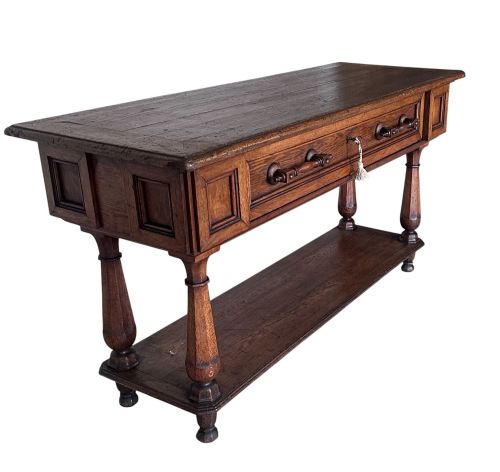
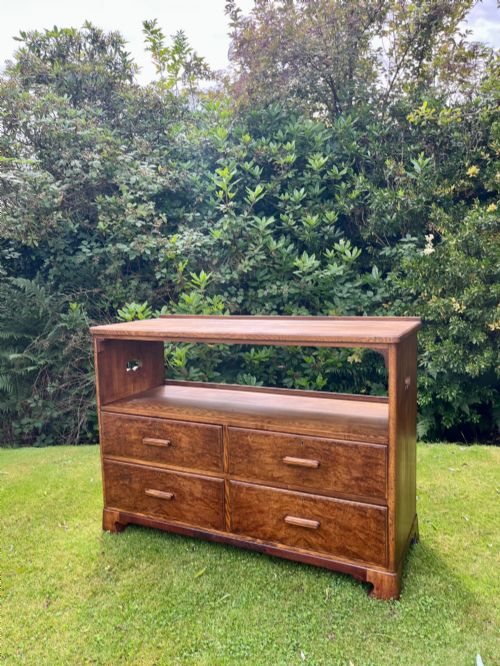
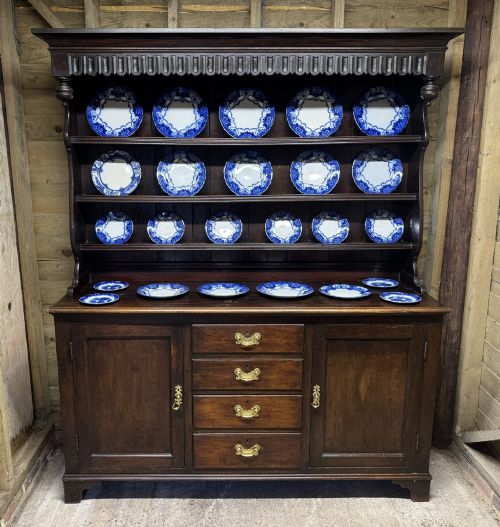
Antique Sideboard Shelf
An antique sideboard shelf brings together display and storage, anchoring a room with timber built to last centuries.
Antique Sideboard Shelf
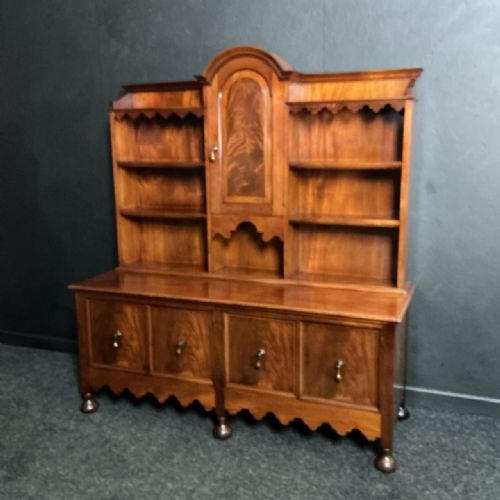
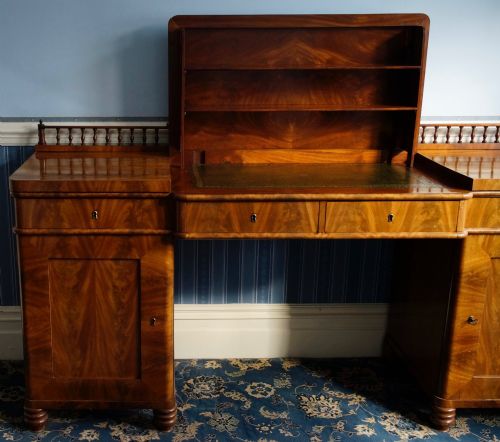
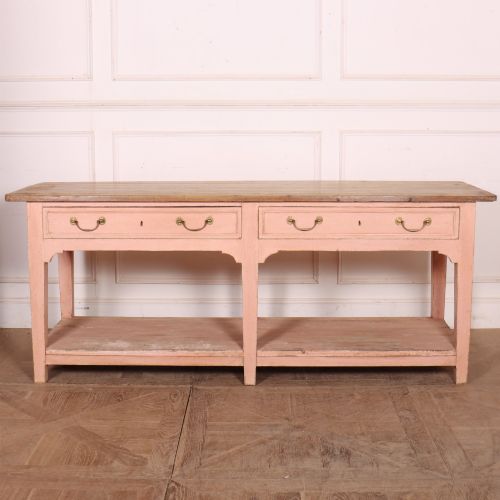
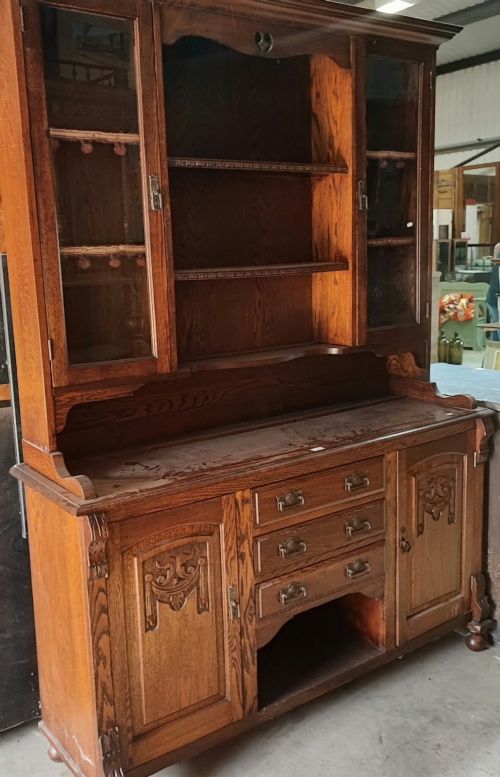
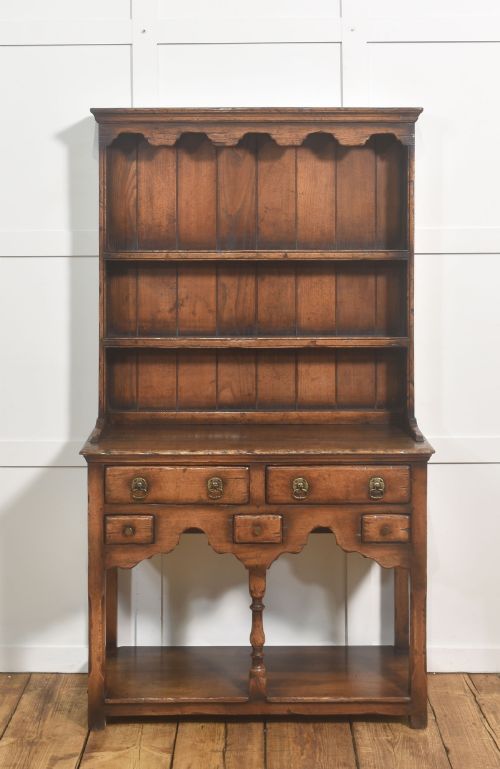
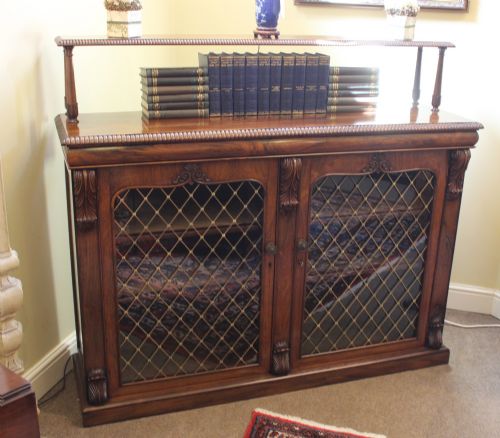
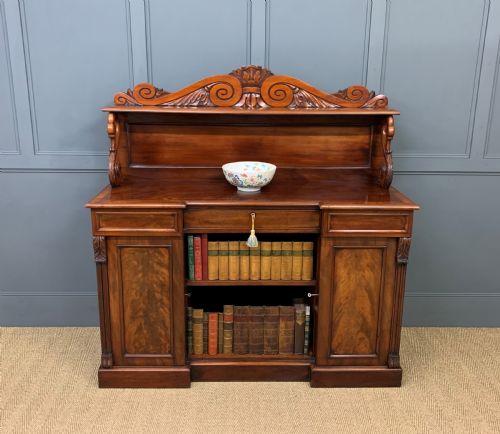
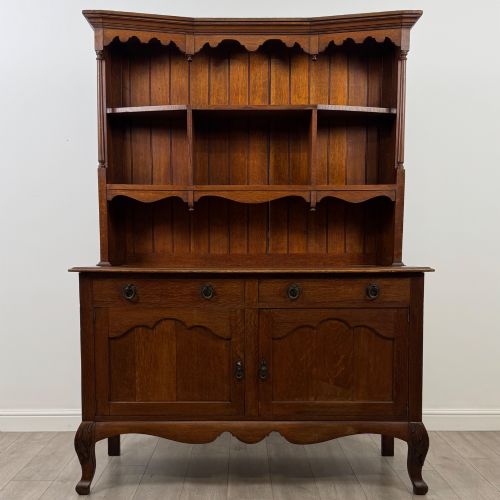
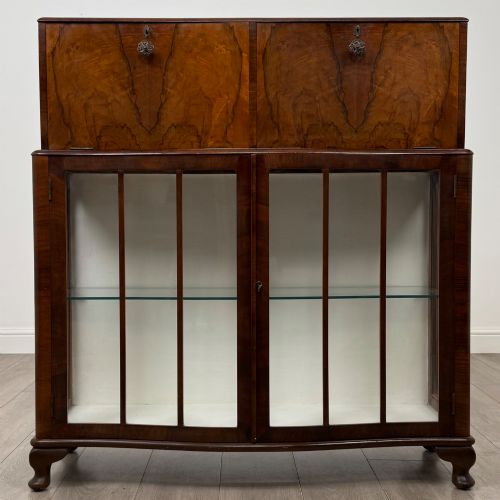
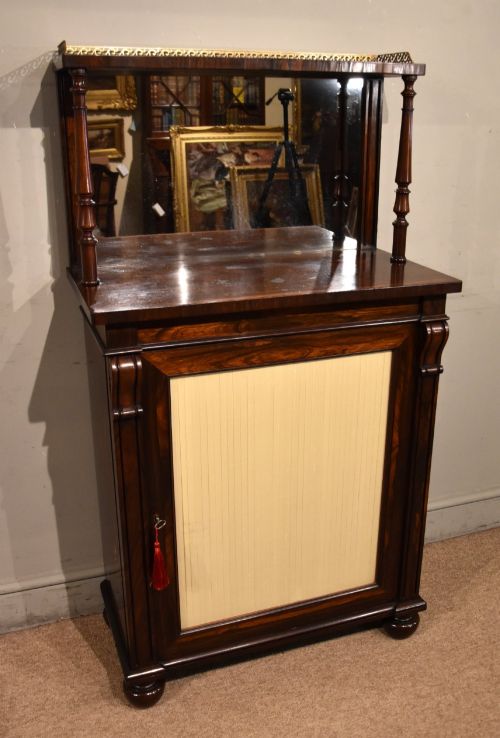
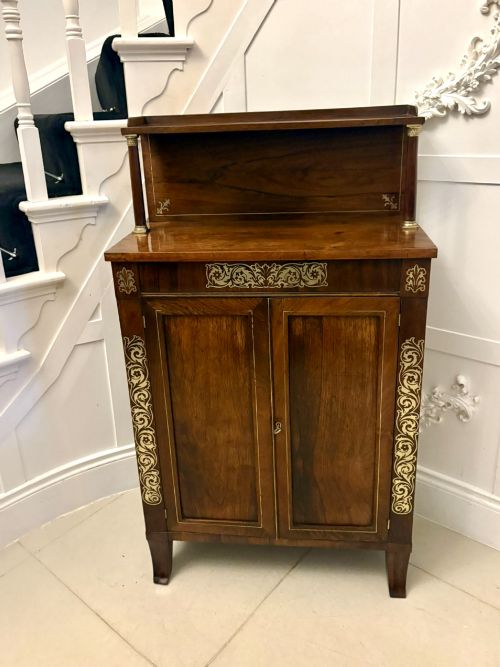
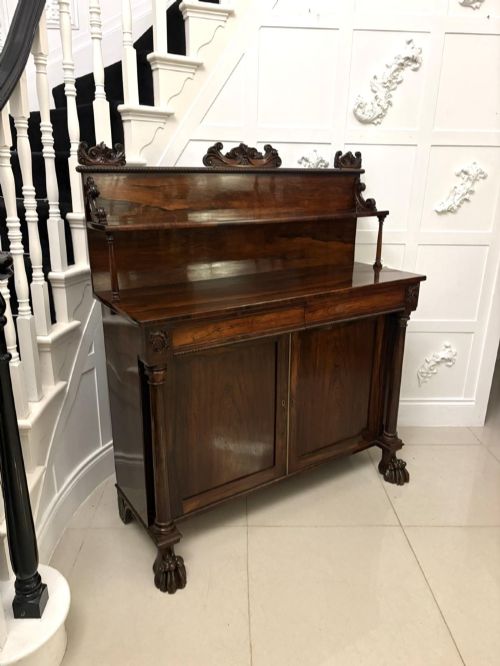
When you search for an antique sideboard shelf, you encounter pieces that combine low storage cabinets or dresser bases with upper plate racks, tiers, or superstructures. These items emerge from centuries of domestic life, spanning Georgian, Victorian, Edwardian, and Arts and Crafts periods. The forms range from country oak potboard dresser bases with plate racks to polished mahogany and burr walnut chiffoniers fitted with bookshelves.
The version you most frequently meet on this page is the nineteenth-century mahogany or oak chiffonier and dresser, often featuring an upper shelf or mirrored back. Scottish and Welsh farmhouse bases appear alongside refined London credenzas and Regency side cabinets. Each piece serves the dual purpose of concealing dining ware below while displaying ceramics or books upon the upper tiers.
Construction and materials
Cabinetmakers constructed these pieces primarily using solid hardwoods such as oak, mahogany, and walnut, frequently applying veneers of burr walnut, flame mahogany, or amboyna to primary display surfaces. Secondary timbers like pine often appear in drawer linings and internal shelving. Timber selection dictated the structural stability and grain pattern of each sideboard shelf.
Joinery techniques relied on traditional hand-cut dovetails for drawers and mortise and tenon frames for carcases, ensuring longevity without modern adhesives. Brass handles, escutcheons, and ormolu mounts provide structural and decorative punctuation, while glass panels feature in glazed bookcase doors and display cabinets.
Periods represented stretch from the 18th century through Georgian, Victorian, and Edwardian eras into the early 20th century.
Judging the standard
The distinction between standard utility items and exceptional examples lies in timber selection, carving depth, and secondary details like mirrored backs or ormolu mounts. Finer pieces display carefully matched grain veneers across drawer fronts and doors, whereas utilitarian country pieces rely on robust, plain oak construction.
Proportion and execution of the upper shelf assembly also dictate quality, with superior examples integrating the superstructure harmoniously into the main cabinet carcase rather than appearing as an afterthought. Maker attribution through stamps or labels further elevates a piece beyond standard workshop production.
Whytock and Reid·Liberty and Co·Arthur Simpson of Kendal·Gillows
The Antique Sideboard Shelf Glossary
- Chiffonier
- A low sideboard or cabinet featuring a raised shelf or superstructure on top, popular during the Regency and Victorian eras. These pieces typically combine enclosed cupboard space below with display capacity above.
- Potboard
- An open slatted lower shelf found on traditional country dressers, originally designed for storing heavy pots and pans. This utilitarian feature distinguishes rustic vernacular furniture from formal dining room furniture.
- Ormolu
- Gilt bronze mounts applied to furniture for decorative effect, frequently seen on high-status Victorian burr walnut credenzas and side cabinets. The technique involves applying a mercury and gold amalgam to bronze.
- Credenza
- A grand Victorian display cabinet, often featuring mirrored doors and ormolu mounts, designed for formal reception rooms. Unlike a sideboard, a credenza typically sits low and symmetrical with enclosed cupboards flanking a central section.
Antique Sideboard Shelf: Frequently Asked Questions
What is an antique sideboard shelf used for?
These pieces function as combined storage and display units within dining rooms, kitchens, and living spaces. The lower cupboards and drawers accommodate tableware, linens, and provisions, while the upper shelves display ceramics, books, or decorative objects.
Historically, the upper tiers evolved to showcase prized porcelain and pewter collections, reflecting the status and hospitality of the household. Today, they serve the same practical role in organising modern domestic interiors.
How do I date a sideboard shelf?
Dating relies on observing timber choices, construction methods, and prevailing decorative styles across the Georgian, Victorian, and Edwardian periods. For instance, early nineteenth-century pieces often employ flame mahogany with simpler brass fittings, whereas later Victorian examples favour burr walnut and cast ormolu mounts.
Examining secondary timbers inside drawers and the nature of the backboards provides further clues regarding age. Hand-cut dovetails and timber shrinkage patterns help confirm authenticity against later reproductions.
Where should I place a sideboard shelf?
These items suit dining rooms, large kitchens, and hallways where their substantial depth and vertical presence can be accommodated comfortably. Positioning them against a solid wall ensures stability, particularly for taller pieces incorporating plate racks or heavy superstructures.
Avoid placing antique timber pieces in direct sunlight or adjacent to active heat sources, as fluctuations in temperature and humidity cause wood to warp and veneers to lift.
Are these pieces made of solid wood?
Most pieces combine solid structural framing with decorative timber veneers applied to primary display surfaces. Oak, mahogany, and walnut form the structural core of these items, whilst pine often appears in secondary internal components.
Finer examples utilise exotic veneers such as burr walnut and amboyna over stable pine or mahogany carcases. This technique creates striking grain patterns while preventing the timber from splitting across wide expanses.