

Antique Side Storage
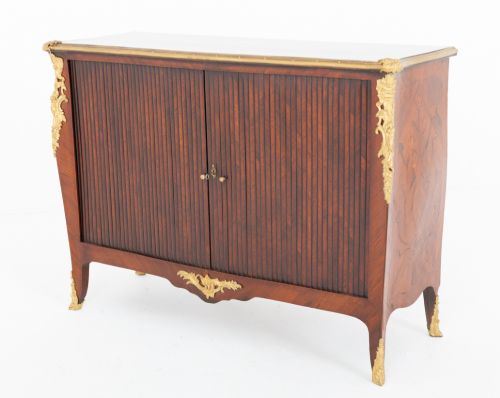
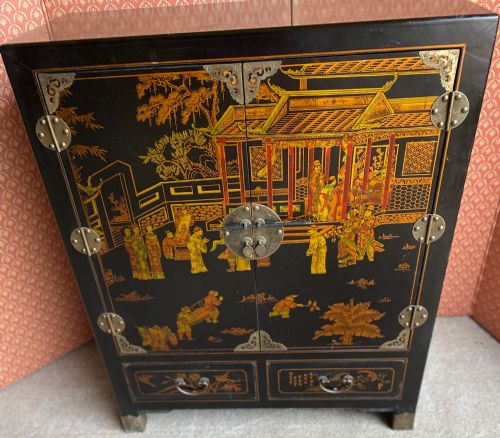
Antique side storage units bring practical utility and period character to a room, ranging from mahogany cupboards to walnut cabinets.
Antique Side Storage
When you search for antique side storage, you encounter a diverse selection of furniture designed for organisation and display. The pieces span centuries, encompassing Georgian, Regency, Victorian, and Edwardian periods.
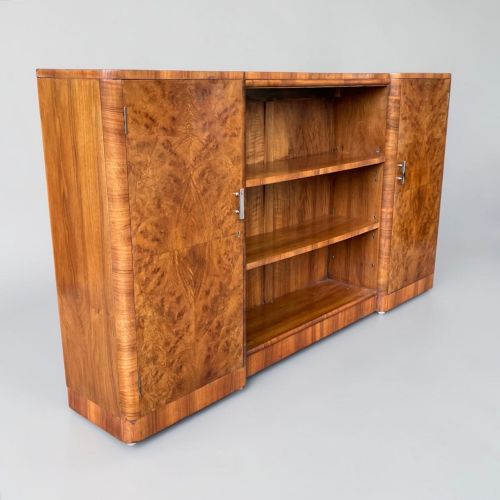
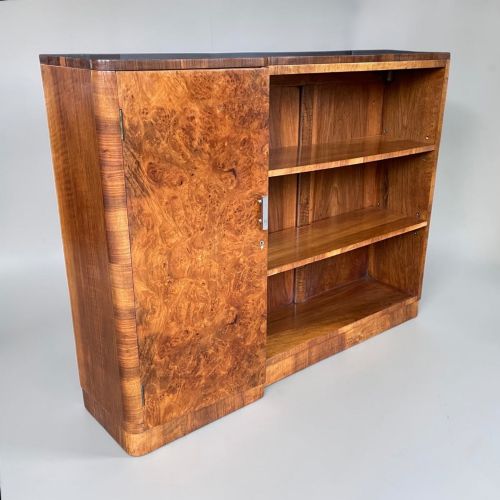
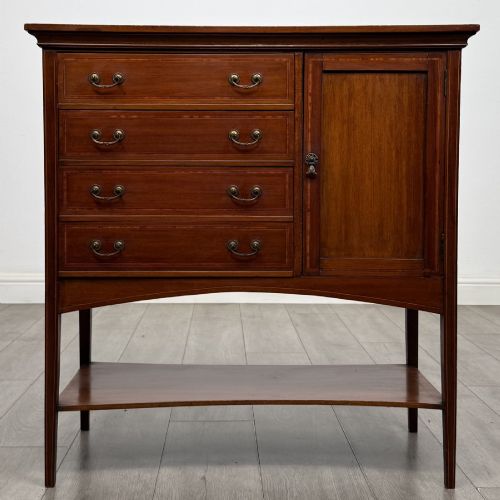
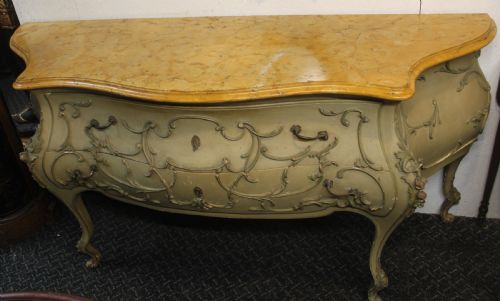
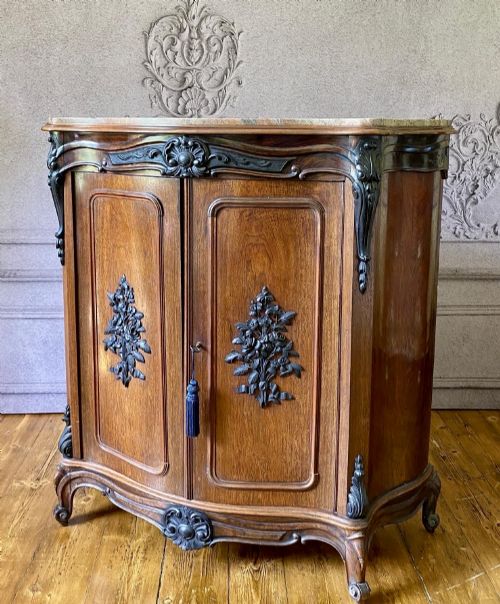
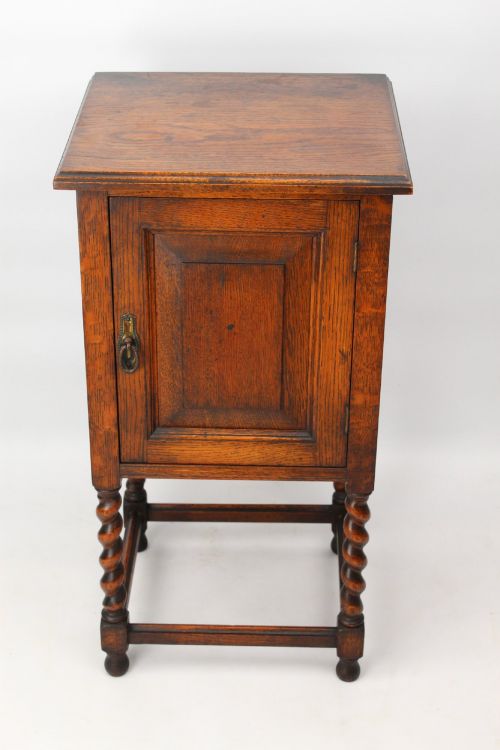
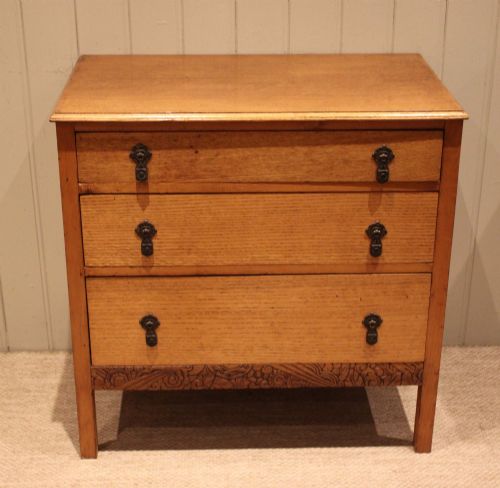
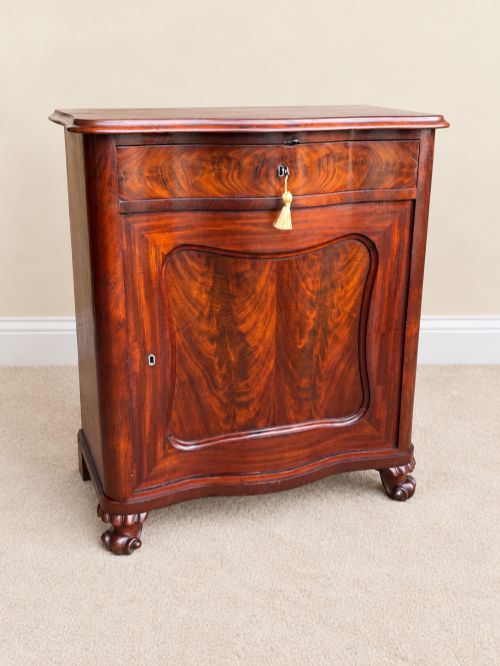
You meet various functional forms on this page, including side cabinets, cupboards, chiffoniers, commodes, and bedside cabinets. Mahogany, oak, burr walnut, and rosewood dominate the construction.
Styles range from straightforward utilitarian pine boxes to decorative inlaid mahogany bow fronts and Gothic Revival designs. Pieces emerge from English, French, and broader European traditions.
Materials and construction
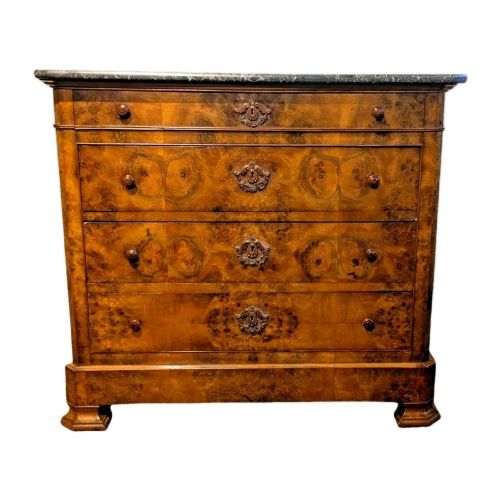
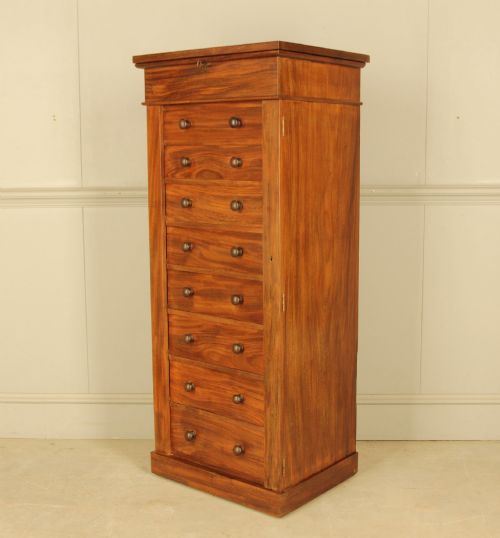
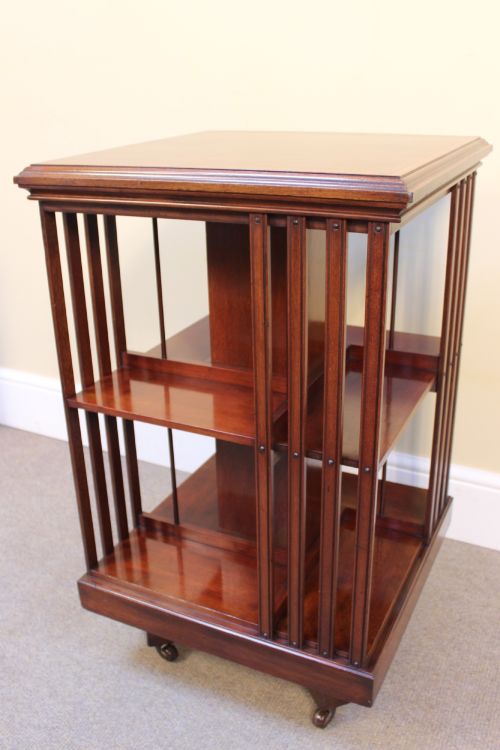
Cabinet makers utilised dense hardwoods such as mahogany, oak, rosewood, and burr walnut, often applying flame veneers for visual depth. Pine served utility pieces, while kingwood and fruitwoods appeared in French commodes.
Construction techniques include dovetail joints for drawers, turned baluster or barley twist legs, and bracket feet. Surface detailing incorporates marquetry inlay, ebonised accents, porcelain mounts, and carved panels.
Hardware consists of brass handles, locks, and hinges, paired occasionally with mirrored backs, marble tops, and adjustable shelving.
Antique Side Storage Retail Price Guide 2026
Typical asking prices for side storage among the pieces listed under this phrase on Sellingantiques today, from the lower quarter to the upper quarter. They describe what is for sale here now, not the wider market.
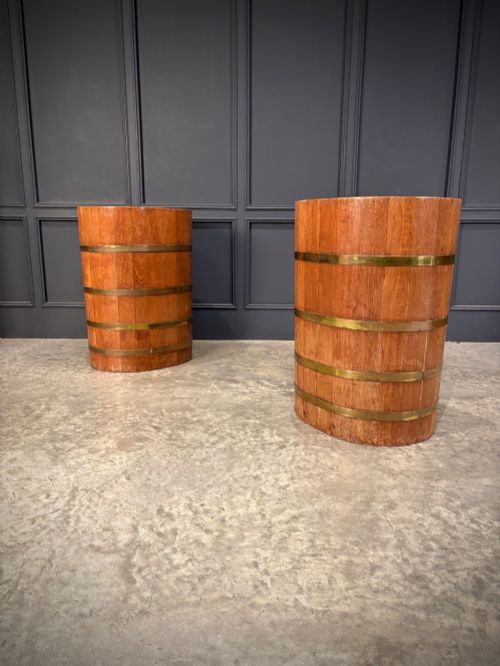
A solitary purdonium stands ready to hold coal near a hearth, proving that even fuel storage once demanded artistic joinery.
Gradations of quality
Quality rests on the selection of timber, distinguishing plain deal or pine from figured flame mahogany, burr walnut, and exotic rosewood. The sophistication of cabinet-making reveals itself in tight joinery and balanced grain matching.
Decorative ambition separates utilitarian cupboards from high-status pieces. Marquetry inlay, carved oak motifs, porcelain mounts, and marble tops elevate the visual weight of a cabinet.
Integrity of original surfaces, such as polished mahogany or limed oak, determines the retention of historical character.
The Antique Side Storage Glossary
- Chiffonier
- A low sideboard or cabinet featuring a combination of drawers and cupboards, popular during the Victorian and Regency periods.
- Cellarette
- A lockable cabinet or box designed for storing wine and bottles, often raised on legs or bracket feet.
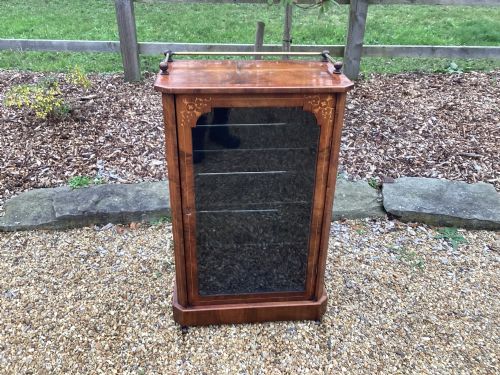
- Pier Cabinet
- A narrow display or storage cabinet intended to stand against the wall space between windows.
- Purdonium
- A specialised coal cabinet, frequently associated with the Arts and Crafts movement, housing a metal liner.
- Marquetry
- Decorative patterns formed by the insertion of contrasting pieces of wood veneer into a primary surface.
Antique Side Storage: Frequently Asked Questions
What is a chiffonier?
A chiffonier is a compact sideboard style that combines enclosed cupboard space with drawer storage, emerging prominently in Regency and Victorian interiors.
These pieces typically sat against dining room or parlour walls to hold glassware and linens while offering a flat surface for serving.
How do I identify a Victorian cabinet?
Victorian cabinets display dense timbers like mahogany and burr walnut, often featuring robust turnings, bracket feet, or glazed doors.
Stylistic influences span from heavy revivalism to lighter Arts and Crafts aesthetics depending on the exact decade of manufacture.
Where should I place a side cabinet?
Side cabinets fit naturally into hallways, dining rooms, and sitting rooms where surface space and discreet storage are required.
Narrow pier cabinets and bedside units suit smaller wall spaces, while larger cupboards anchor larger living areas.
What distinguishes Edwardian storage?
Edwardian storage pieces frequently utilise oak with barley twist legs, limed finishes, or lighter mahogany inlays.
The aesthetic leans towards domestic comfort, blending traditional joinery with practical utility for early twentieth-century homes.