





Antique Side Shelving
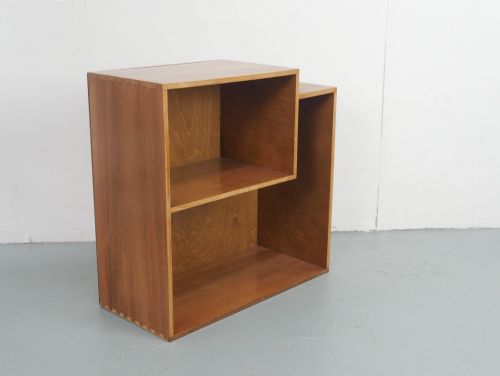
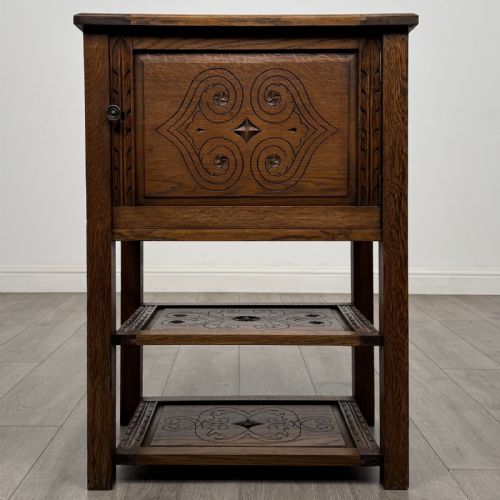
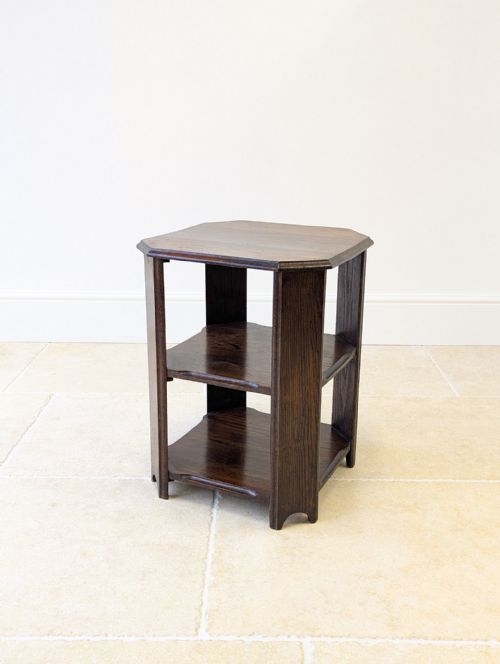
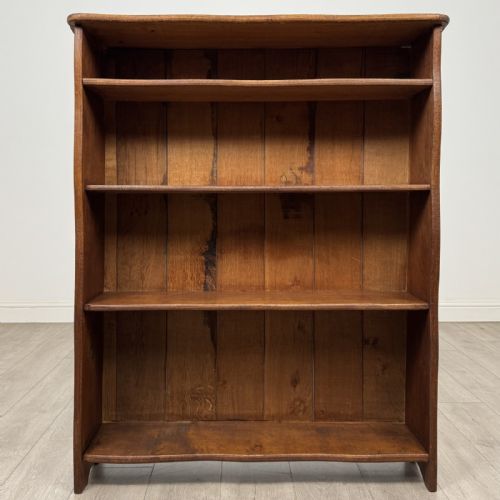
Antique side shelving brings together open display forms like étagères, bookcases, and wall shelves to hold books and decorative objects close at hand.
Antique Side Shelving
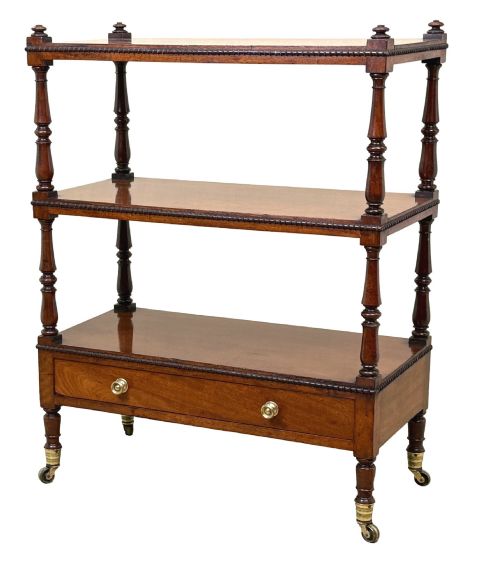
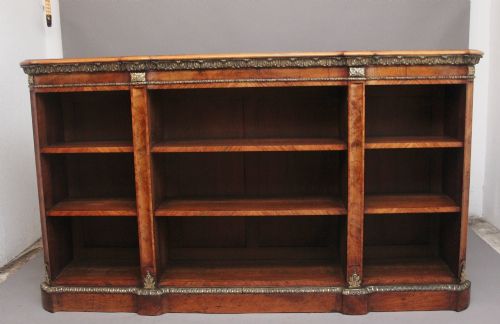
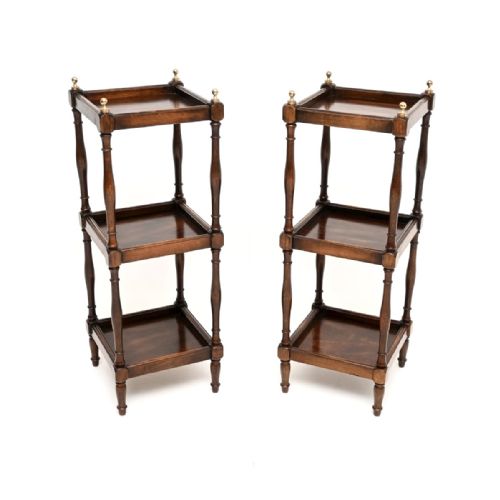
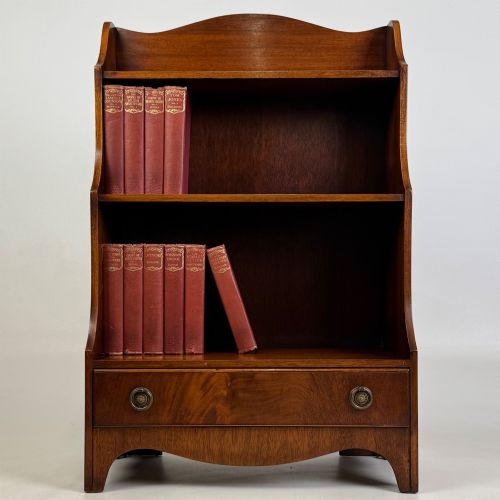
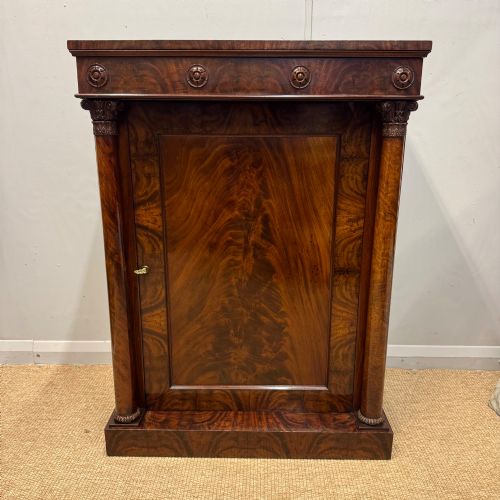
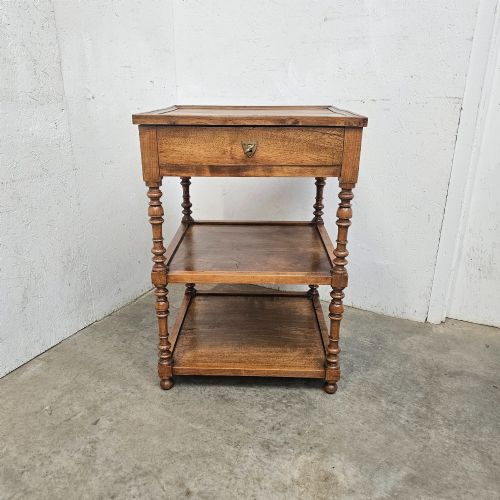
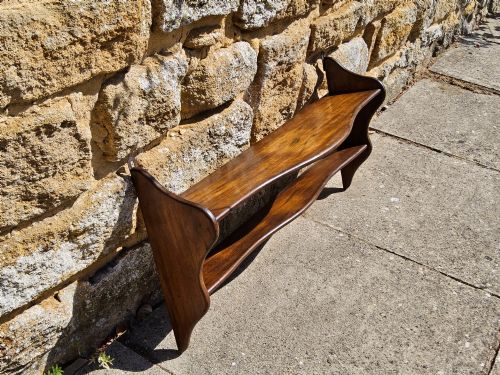
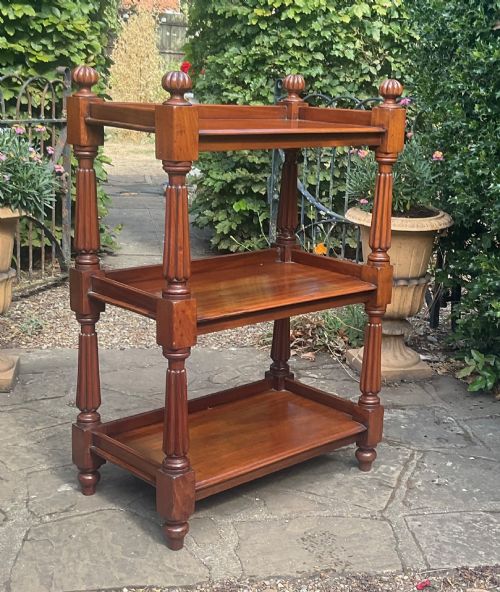
Antique side shelving appears in several distinct forms across this selection, most commonly as tiered étagères, open bookcases, and whatnots designed for domestic storage and display. These pieces originate from periods spanning the Georgian era through to the early twentieth century, taking the form of freestanding cabinets, wall-mounted shelves, and side tables with integrated tiers.
The materials and structural layouts reflect the prevailing tastes of their respective decades, utilising hardwoods such as mahogany, rosewood, and walnut alongside decorative accents like brass galleries and ormolu mounts. Buyers meet variations ranging from compact corner and wall-hung units to larger breakfront bookcases and multifaceted display étagères intended for principal reception rooms.
How they were made
Cabinetmakers constructed these shelves using dense timbers such as mahogany, rosewood, and walnut, frequently applying fine veneers or parquetry to flat surfaces and tabletops. Structural integrity relied on traditional joinery, supported by turned wooden legs, bracket feet, or shaped sides.
Metalwork played a defining role in the construction of many pieces, incorporating brass galleries, casters, and gilt ormolu mounts. Makers also utilised alternative materials like bamboo and limewood for specific stylistic expressions, particularly within Aesthetic Movement and Chinoiserie examples.
Antique Side Shelving Retail Price Guide 2026
Typical asking prices for side shelving among the pieces listed under this phrase on Sellingantiques today, from the lower quarter to the upper quarter. They describe what is for sale here now, not the wider market.
Listings feature side shelving spanning the Georgian, Regency, Victorian, and Edwardian periods, constructed in mahogany, rosewood, walnut, and oak.
What varies in quality
The standard of timber selection and veneer matching dictates the visual baseline of each piece, distinguishing utilitarian items from high-end commissions. Figured grains, burr walnut, and satinwood inlay demonstrate superior material sourcing by the workshop.
Detailing in the metalwork and secondary elements separates ordinary production from exceptional craftsmanship. Finely cast ormolu mounts, pierced brass galleries, and precise parquetry elevate the overall execution of the shelving.
Johnstone And Jeanes·Gillows·Heals
The Antique Side Shelving Glossary
- Whatnot
- A freestanding piece of furniture consisting of several open shelves above one another, used for books or ornaments. The form gained significant popularity during the Regency and Victorian periods.
- Ormolu
- Gilded bronze applied as a decorative mount on furniture. It provides bright metallic contrast against dark woods like rosewood and mahogany.
- Pier cabinet
- A low cabinet designed to fit against the wall space between windows. These pieces often incorporate adjustable shelves and glazed or open fronts.
- Parquetry
- Geometric mosaic woodwork used for decorative surface patterns. It appears frequently on tabletops and cabinet doors within later nineteenth-century examples.
Antique Side Shelving: Frequently Asked Questions
Where should I place side shelving?
Side shelving works well against empty wall spaces, beside seating arrangements, or within alcoves in a sitting room or study. Open bookcases and whatnots provide accessible storage without dominating the floor plan.
Wall shelves offer an alternative for rooms with limited floor space, allowing display areas at eye level.
How do I date an open bookcase?
Dating relies on identifying the prevailing timber, construction methods, and stylistic cues present in the piece. Georgian and Regency examples favour solid mahogany and rosewood with understated architectural lines.
Later Victorian and Edwardian pieces frequently introduce inlaid marquetry, ebonised surfaces, or alternative supports such as bamboo and turned legs.
What is the difference between a whatnot and a bookcase?
A whatnot is primarily an open tiered stand intended for ornaments and diverse decorative objects, often featuring multiple narrow levels. An open bookcase focuses specifically on book storage with deeper, fixed or adjustable shelves.
While both share open designs, whatnots prioritise display versatility across various rooms, whereas bookcases serve library and study functions.