
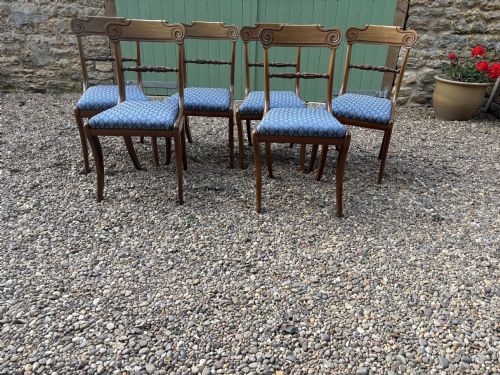
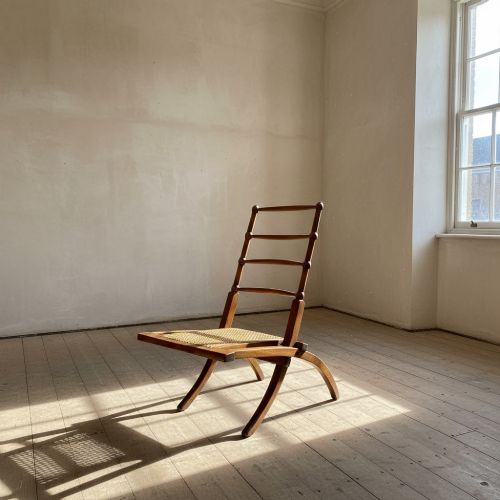
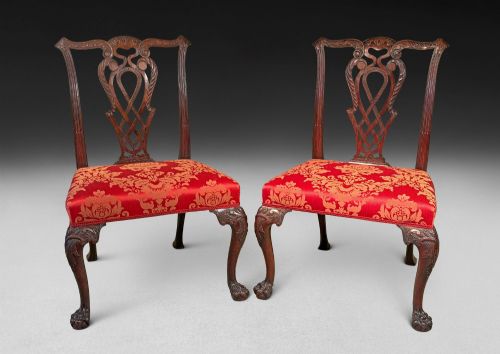
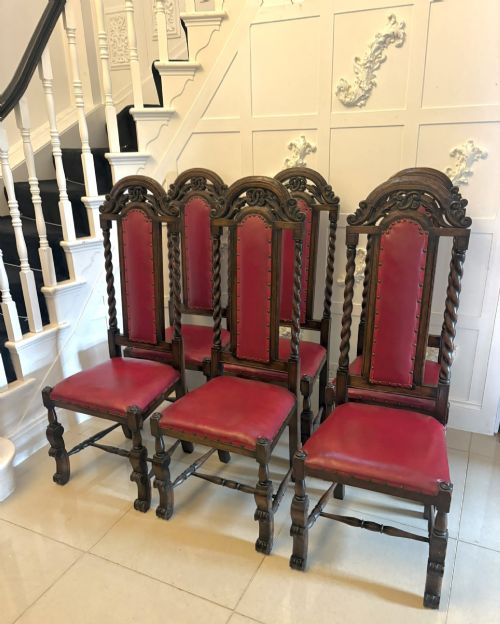
Antique Side Seating
Antique side seating brings character and history into a room through versatile chairs designed for dining, halls, and parlours.
Antique Side Seating
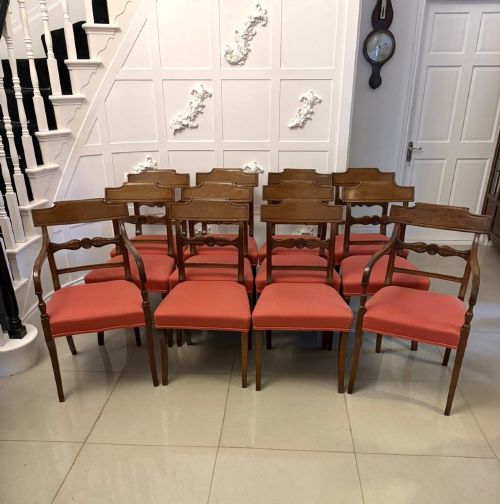
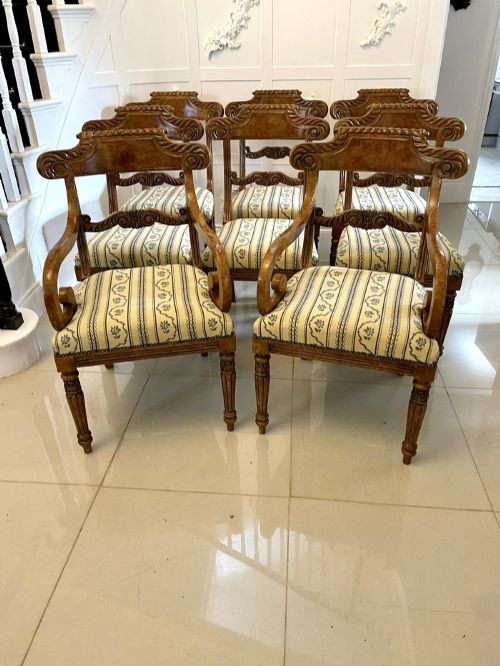
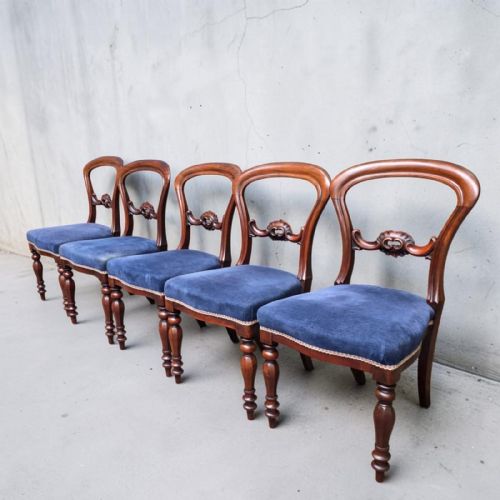
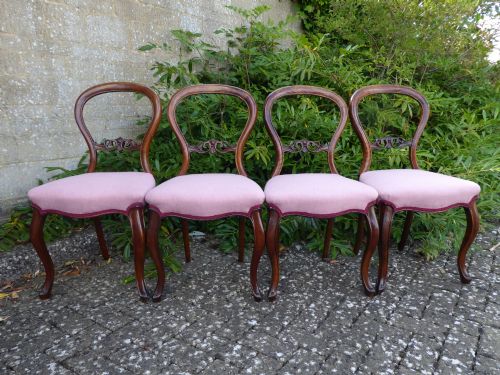
Antique side seating encompasses diverse chair types including dining chairs, side chairs, hall chairs, armchairs, and salon chairs. These items emerge from multiple eras, spanning 18th Century, Georgian, Victorian, Regency, and Edwardian periods.
Buyers frequently encounter mahogany dining chairs formed in sets, alongside individual hall chairs and country kitchen seating in elm, beech, or oak. The selection includes styles ranging from Queen Anne and Chippendale to Arts and Crafts and William IV.
Originating for practical domestic use in dining rooms, hallways, and morning rooms, these chairs combine structural utility with period craftsmanship. Pieces appear individually, in pairs, or in large matched sets suitable for formal tables.
Materials and Construction
Cabinet makers utilised dense hardwoods such as mahogany, walnut, oak, and elm to build robust frames that endure through centuries. Beech also appears frequently, particularly in country vernacular pieces and specific Arts and Crafts designs.
Joinery methods rely on traditional mortise and tenon joints, augmented by hand carving, turned elements, and brass inlay. Upholstered variants integrate supportive webbing, fabric, and traditional stuffing materials within the seat structures.
Object types on this page include dining chairs, hall chairs, salon chairs, and armchairs spanning multiple design movements.
Distinctions in Execution
Excellence in antique side seating rests upon the crispness of hand-carved details, the selection of figured timber veneers, and the integrity of the underlying joinery. Superior examples maintain original surface patination and tight, uncompromised frame connections.
The refinement of proportion and the execution of specific stylistic details, such as shield backs, ladder backs, or gilded highlights, distinguish high-status workshop production from utilitarian domestic seating.
Waugh & Son·William Morris·Rossetti·Charles Tozer
The Antique Side Seating Glossary
- Carver
- An armchair designed to match a set of single dining chairs, traditionally placed at the head of a table. These often feature open arms.
- Hall chair
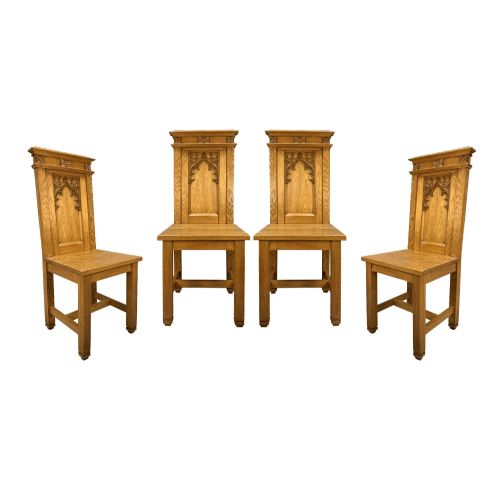
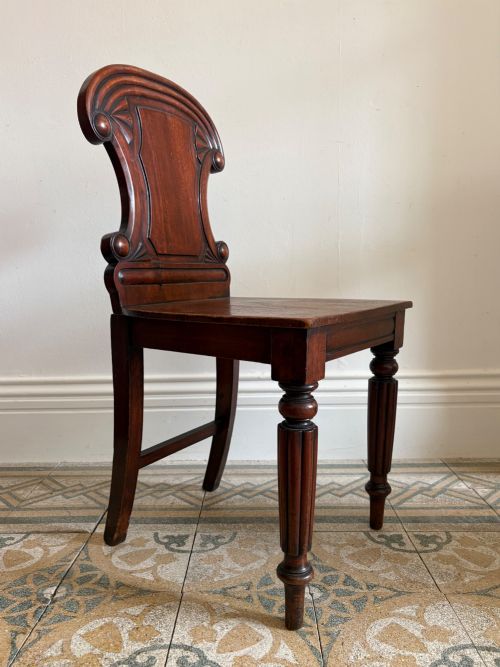
- A rigid wooden seat, frequently un-upholstered, positioned in entrance halls and typically carved or painted with family crests or heraldic motifs.
- Bar back
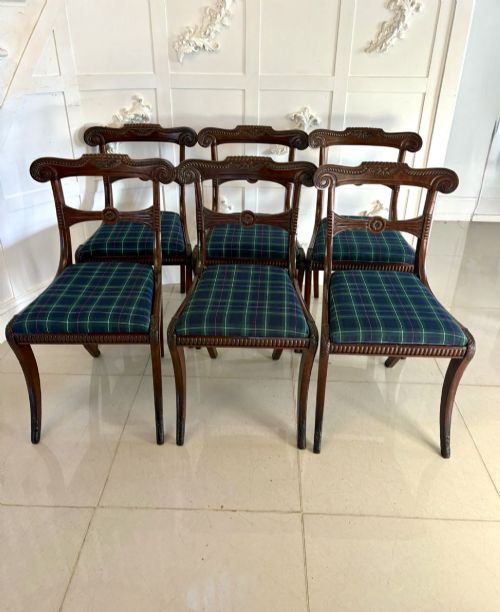
- A chair design featuring a horizontal transverse splat across the upper backrest, resembling the shape of a gymnastic bar. This form gained popularity during the William IV period.
- Shield back
- A chair backrest shaped like an inverted shield, popularised during the Georgian era by designers such as George Hepplewhite. The wooden frame encloses pierced central splats.
- Splat
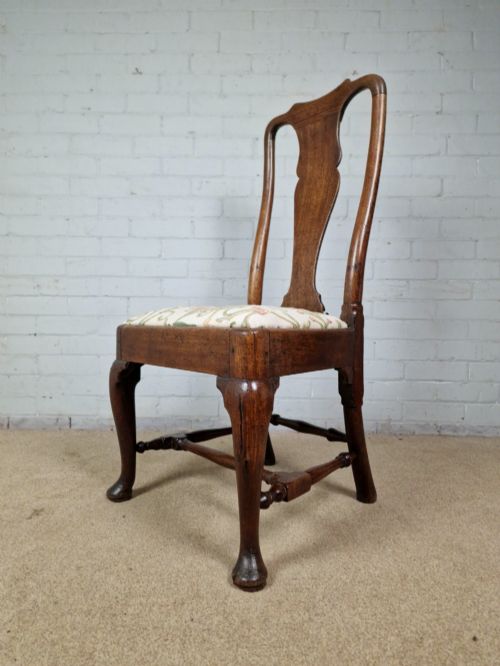
- The vertical wooden slat placed centrally in the middle of a chair back, connecting the seat to the top rail. Carved splats often define the stylistic period of a piece.
Antique Side Seating: Frequently Asked Questions
How do I choose chairs for daily use?
Select sturdy hardwood frames in oak, mahogany, or walnut that offer solid joint construction and comfortable seat heights. Ensure the timber choice matches your domestic routine and existing interior scheme.
For regular dining or desk use, inspect the rigidity of the leg joints and verify that the upholstery platform provides adequate support without excessive sagging.
What defines a hall chair?
Hall chairs are rigid wooden seats produced primarily in oak, mahogany, or painted pine for placement in entrance spaces. They lack upholstered padding and often feature carved or painted heraldic backs.
These pieces served as temporary seating for visitors and domestic staff rather than prolonged lounging, resulting in upright postures and durable wooden construction.
How are chair sets assembled?
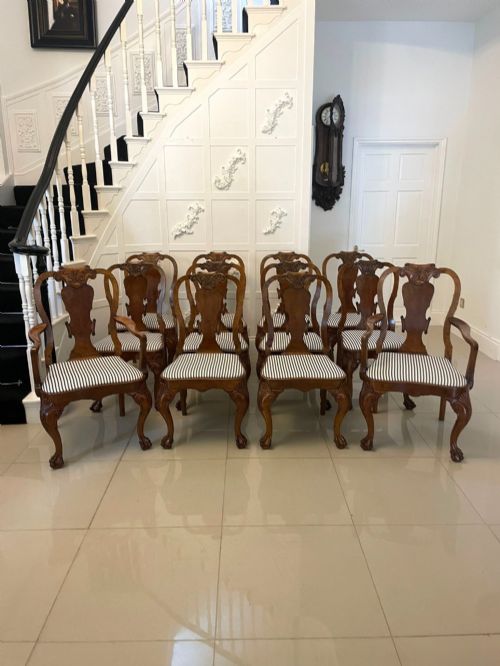
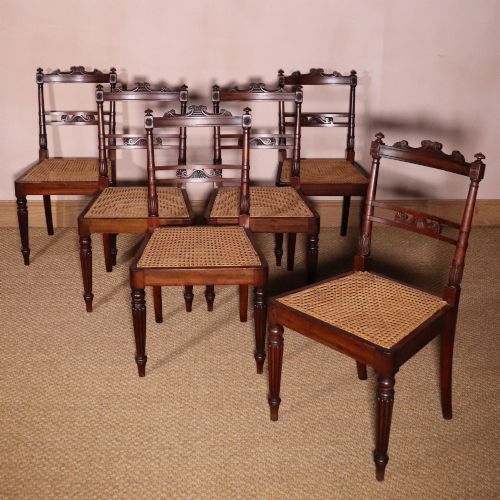
Many antique dining sets comprise a combination of single chairs and matching carver armchairs. Larger groupings span sets of six, eight, ten, or more pieces.
Sets sometimes assemble over time from matching individual components or represent unified workshop commissions produced during the Georgian, Victorian, or Edwardian eras.
How do I distinguish regional styles?
Regional and period distinctions appear through timber selection, turning methods, and backrest geometry. Country pieces utilise local elm, beech, and fruitwoods with simpler vernacular turnings.
Formal urban furniture employs imported Cuban mahogany and walnut, showcasing sophisticated carving styles from Queen Anne, Chippendale, Regency, and Arts and Crafts traditions.