
Antique Side Console Table
An antique side console table brings architectural presence to a hallway or drawing room through centuries of cabinet-making skill.
Antique Side Console Table
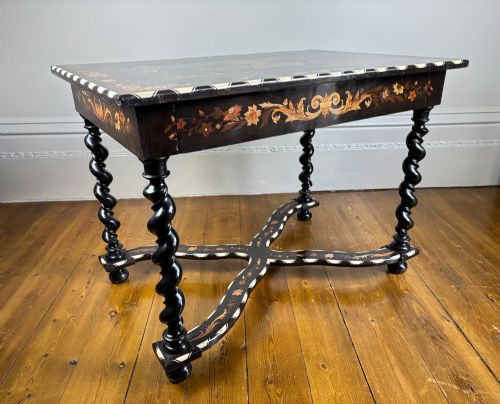
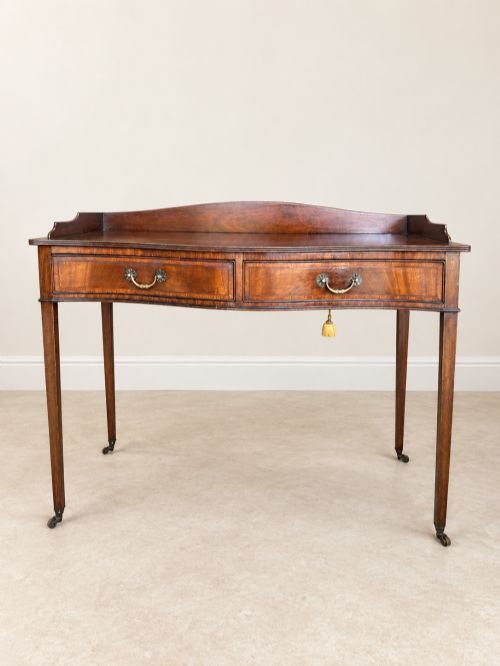
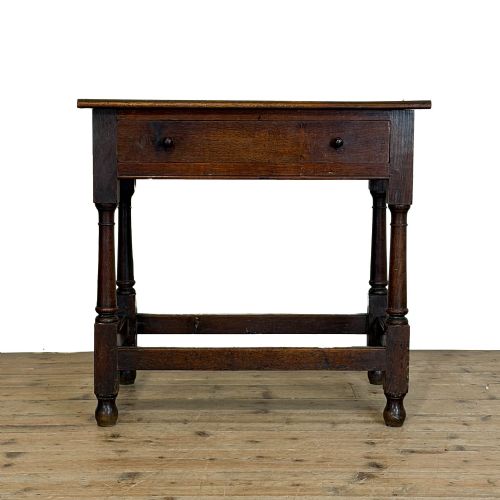
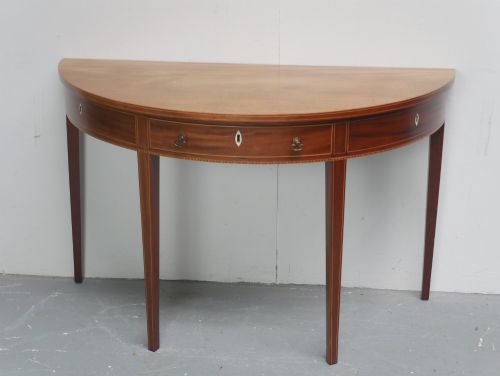
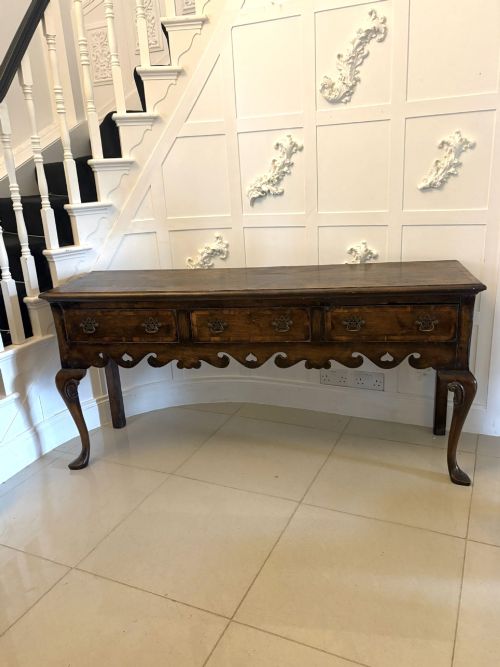
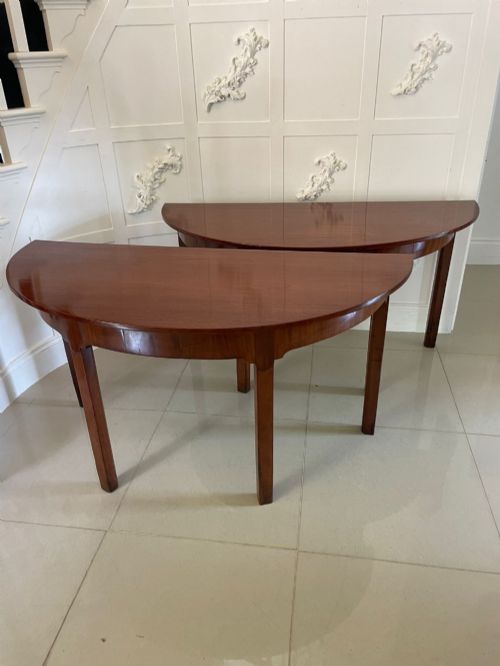
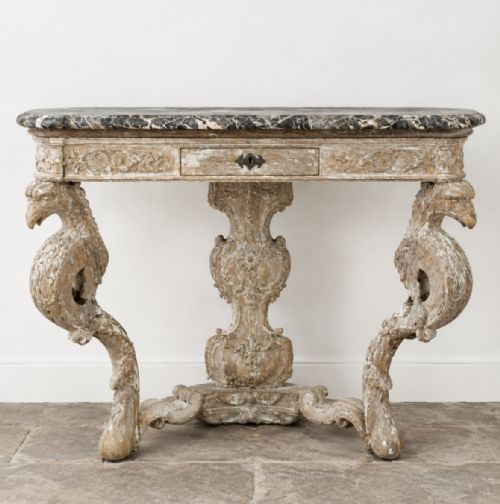
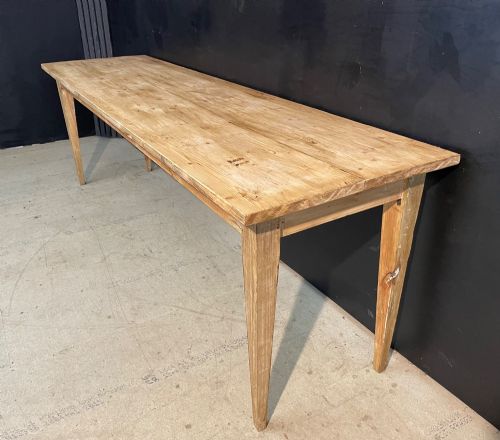
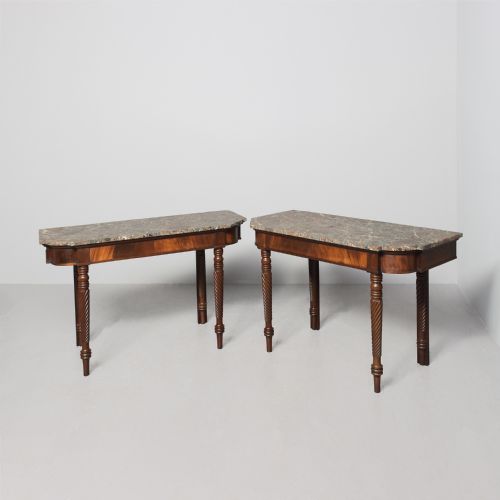
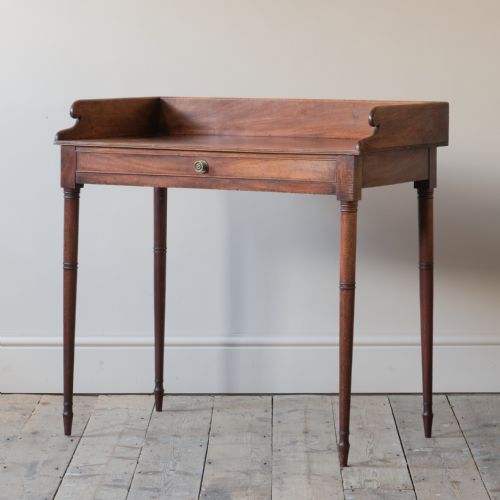
When you search for an antique side console table, you are looking at sturdy wooden surfaces designed to stand against a wall, frequently taking the form of demi-lune shapes, serving tables, lowboys, and pier tables.
The pieces on this page span the Georgian, Regency, and Victorian eras, alongside Edwardian interpretations, reflecting diverse regional tastes in British and continental furniture.
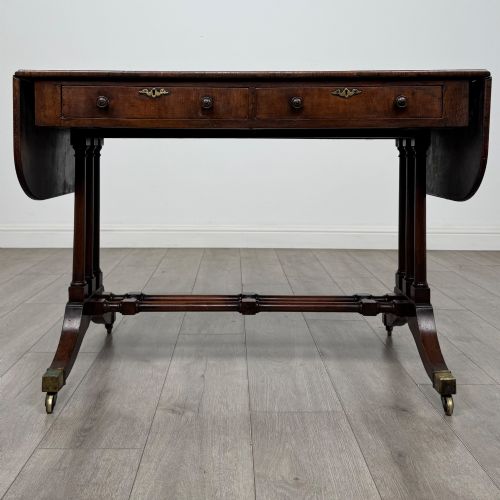
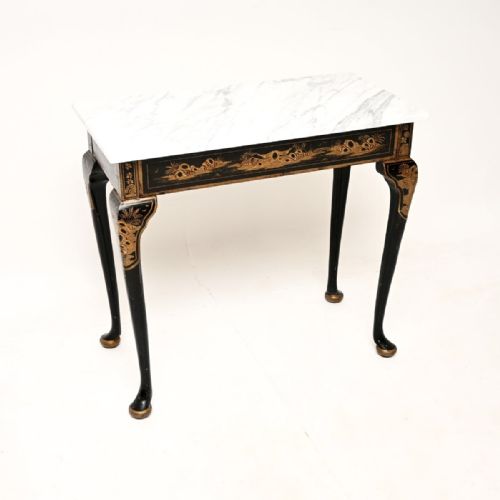
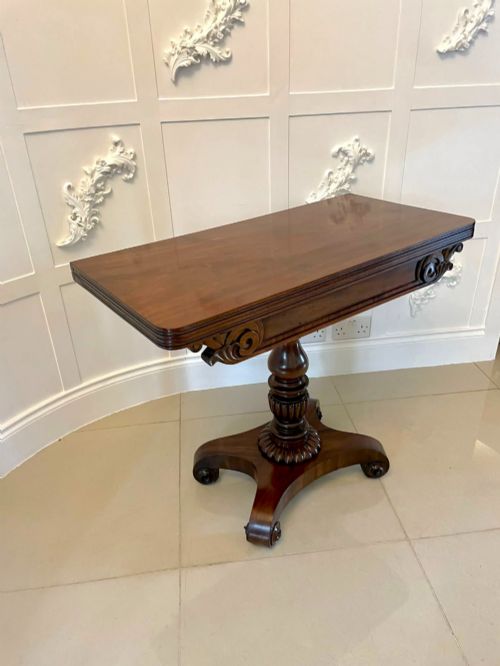
Console tables often feature specific modifications such as fold-over leaves for card play, shallow drawers for letters, or marble tops meant to hold heavy planters and ornaments.
How they were made
Cabinet-makers relied heavily on solid hardwoods like oak, mahogany, and walnut, frequently applying figured veneers or flame mahogany to visible drawer fronts and table tops.
Decorative detailing involved intricate brass mounts, ormolu, neoclassical carving, and fine inlay work such as marquetry, whilst structural stability relied on traditional joinery.
Alternative finishes include scumble painting, lacquered chinoiserie, and polished marble tops resting securely upon wooden frames.
Several pieces include hidden green man carvings, bringing watchful woodland spirits directly into the hallway.
What varies in quality
The grade of timber selected for the surface dictates much of the visual weight, with well-figured mahogany, burr walnut, and rosewood marking out superior workshop output.
Subtlety of hand-carved details, precision in string inlay, and the integration of matching timber grains across extended surfaces separate standard production from master craftsmanship.
Structural integrity reveals itself in the weight of the piece, the smoothness of drawer operations, and the preservation of original mounts and marble slabs.
The Antique Side Console Table Glossary
- Demi-lune
- A half-moon shape popular for console tables designed to sit flush against a wall.
- Lowboy
- A small oak or mahogany table featuring one or more rows of drawers, commonly used as a side or dressing table.
- Marquetry
- The art of applying pieces of veneer to a structure to form decorative patterns and pictures.
- Ormolu
- Gilded bronze furniture mounts used extensively on French and high-status British console tables.
- Sutherland table
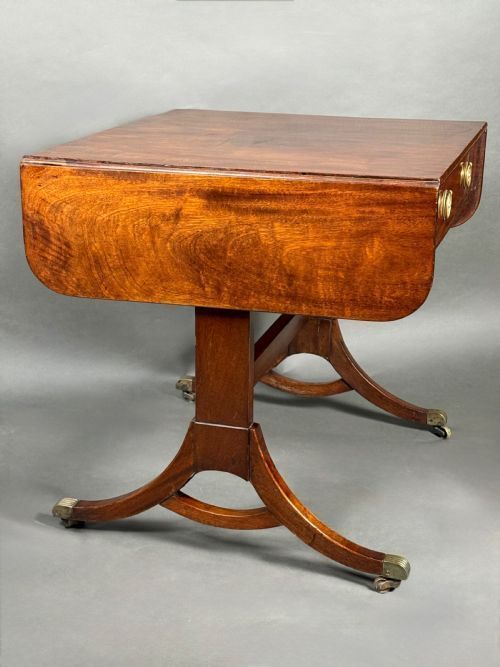
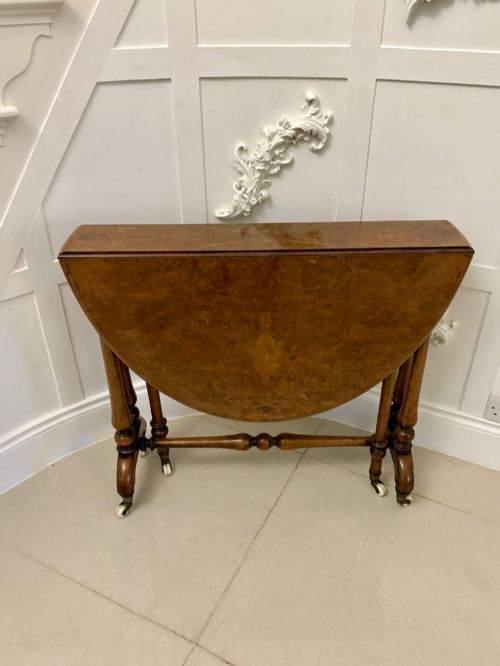
- A narrow drop-leaf table that folds flat when not in use, supported by pivoting gatelegs.
Antique Side Console Table: Frequently Asked Questions
Where should I place a console table?
These tables find a natural home in entrance halls, narrow corridors, or behind sofas where floor space is limited. Their shallow depths allow them to anchor wall mirrors or hold everyday items without obstructing pathways.
In dining rooms, similar forms serve effectively as serving tables for dishes and silver during meals. Their varied heights and profiles let them blend into transitional spaces between rooms.
How do I identify a Georgian console?
Look for balanced proportions, straight or cabriole legs, and understated mahogany or oak construction without excessive ornamentation. George III examples often display restrained neoclassical carving or figured veneers.
Drawer linings in genuine pieces typically show hand-cut dovetailing and secondary timbers like pine or oak. The joinery beneath the top surface should reveal traditional pegged or glued construction.
Can I use a card table as a console?
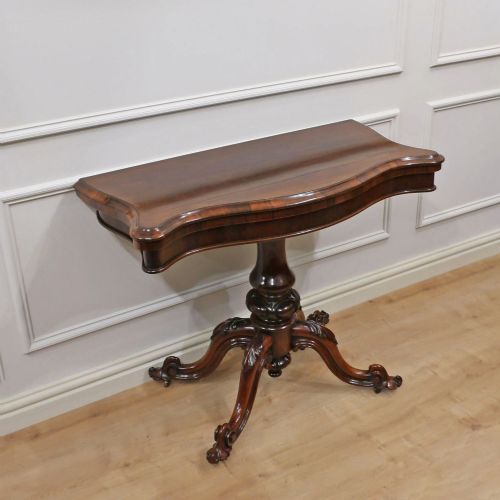
Many card tables feature hinged leaves that fold closed, creating a narrow surface well suited for hallway placement. When opened, they double their surface area for occasional dining or game playing.
Their finished backs and sturdy swivel or concertina mechanisms make them versatile additions to living areas. They offer hidden functionality beneath a traditional console profile.
What maintenance do marble tops require?
Marble surfaces need gentle cleaning with warm water and mild soap, avoiding acidic solutions that etch the stone. Placing felt pads beneath heavy objects prevents scratching the polished finish.
Natural stone tops should remain unsealed unless specific staining occurs, allowing the original material to breathe. Regular dusting keeps the porous surface protected from grit.