

Antique Side by Side
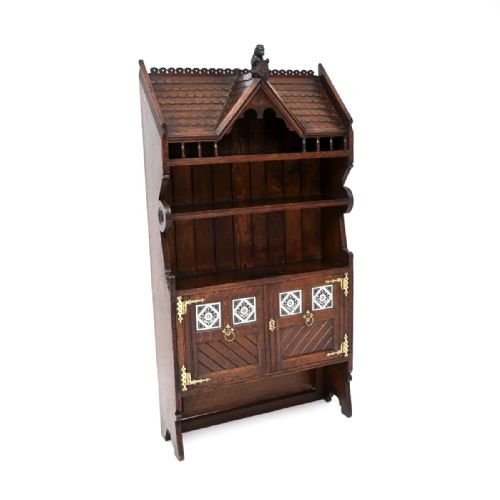
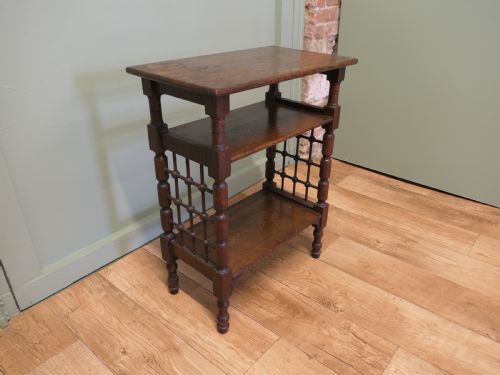
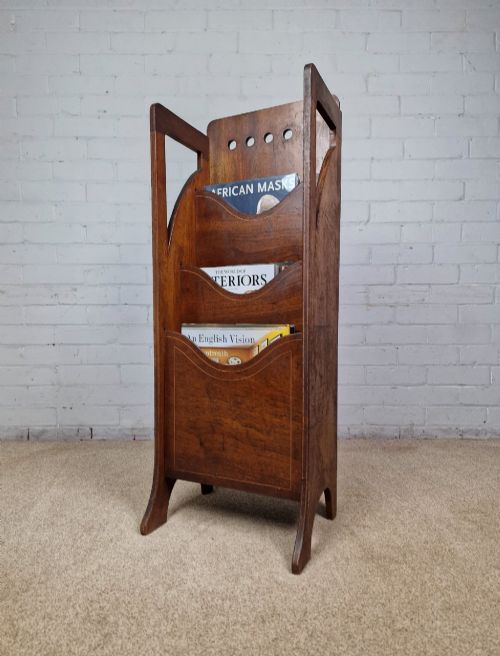
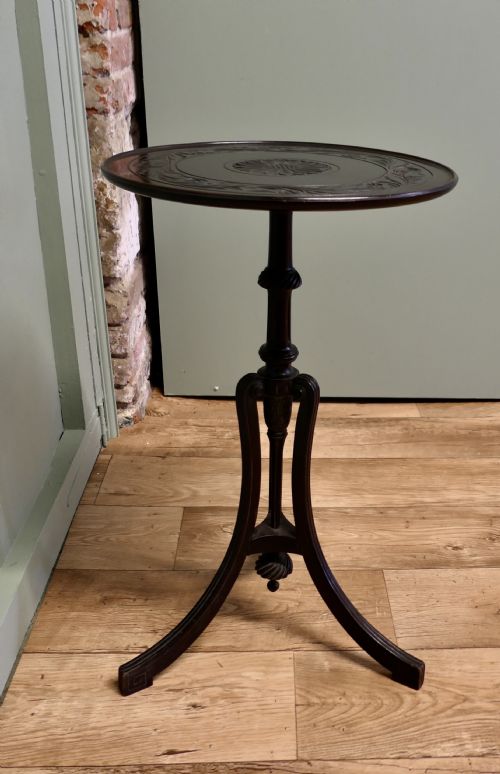
When you search for an antique side by side, you are looking at companion pieces and dual-compartment furniture designed to sit intimately together in period interiors.
Antique Side by Side
The phrase antique side by side directs attention towards nineteenth and early twentieth-century dual forms, cabinets, and tables originating from Victorian, Edwardian, and Art Deco workshops.
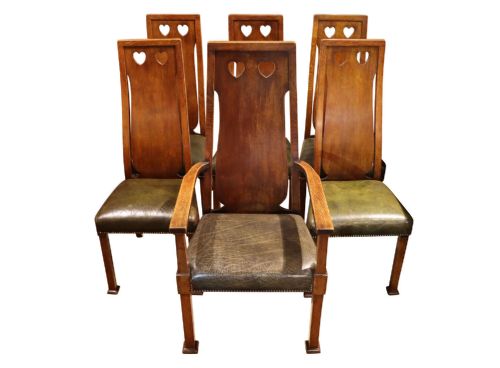
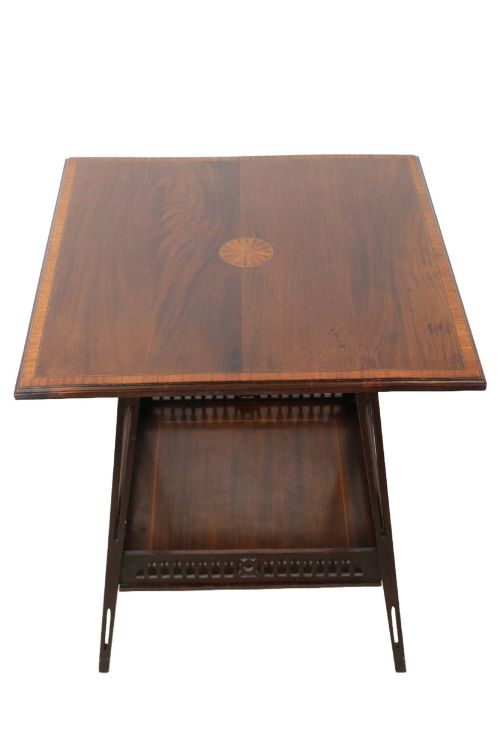
Most entries meeting this search on the page consist of side tables, occasional tables, console tables, and paired seating arrangements constructed across Britain and France.
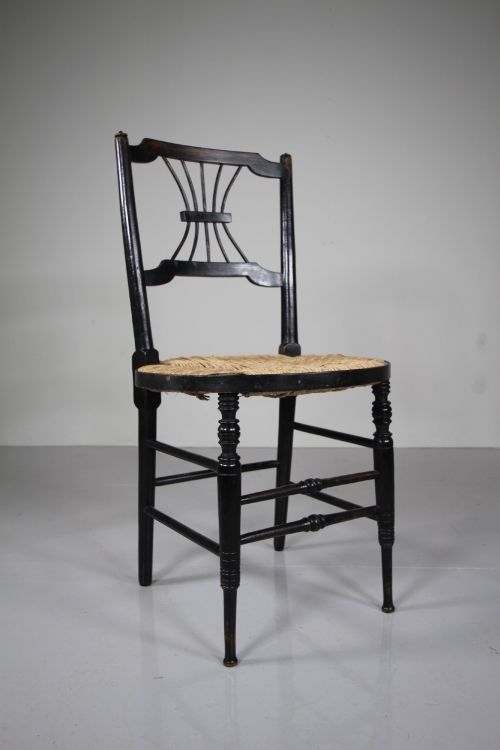
Makers from the Aesthetic Movement, Arts and Crafts, and Louis Revival styles dominate the physical forms recorded in the current inventory.
Materials and construction
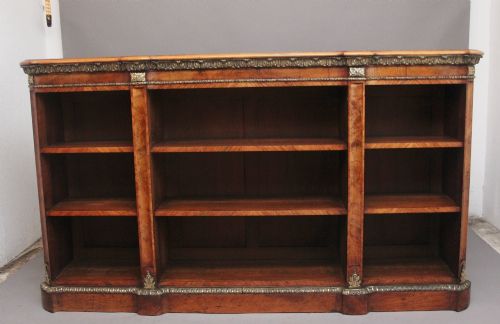
Cabinet makers utilised dense hardwoods including mahogany, walnut, burr walnut, oak, rosewood, and kingwood as the structural foundation for tables and cabinets.
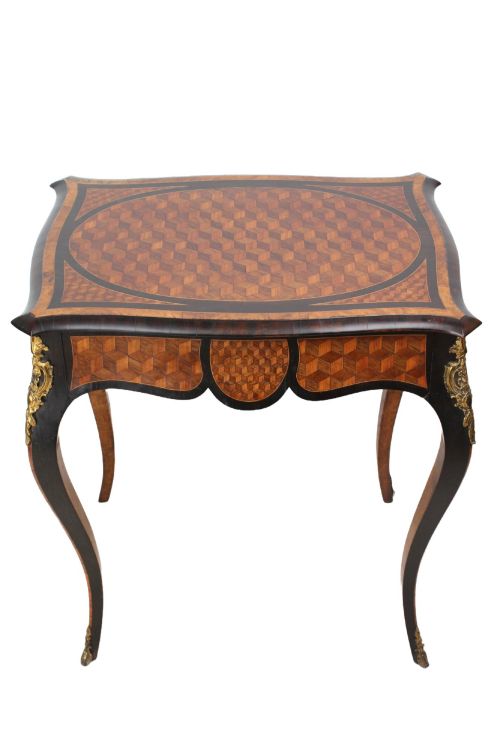
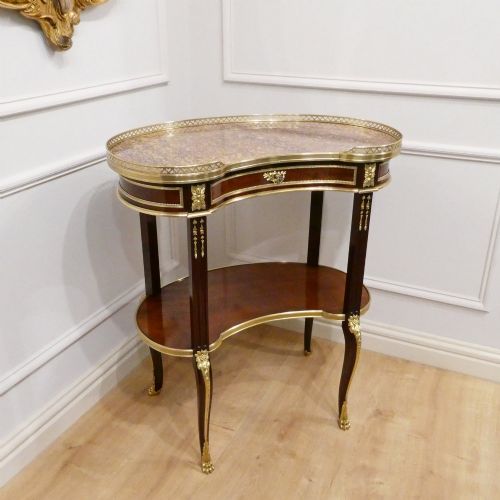
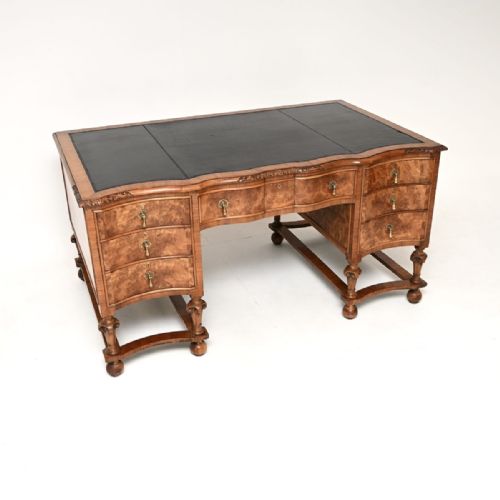
Surface decoration frequently incorporated intricate parquetry and marquetry inlay, complemented by cast brass mounts, ormolu, and inset leather writing surfaces.
French polishing and hand-carved detailing completed the exterior finish on items produced by prominent metropolitan cabinet-making firms.
Current listings demonstrate cabinet-making traditions spanning the Victorian era through the 1930s, utilising mahogany, walnut, and oak.
Gradations of quality
Superior examples display crisp, uncompromised timber selection where the grain patterns of burr walnut or mahogany flow evenly across structural joints.
The finesse of hand-cut marquetry inlay, precision in parquetry geometry, and the weight of cast ormolu or brass hardware distinguish standard workshop output from exceptional retail commissions.
Integrity of internal framing and the subtlety of carved enrichment reveal the original tier of patronage each piece commanded when leaving the workshop.
John Moyr Smith·Leonard Wyburd·Finnigans·Bulstrode Cambridge·Goodyers London·JAS Shoolbred·Trevor Page and Co·Mappin and Webb·Rossetti·Charles Tozer·Merryweather and Sons·Johnstone and Jeanes·Norwich Maker·Maison Millet·Maple and Co·Warings·Gillows·Gregory and Co·Hindley and Sons·Codina·Druce and Co·Lamb of Manchester·Hille·Edwards and Roberts·Tehan
The Antique Side by Side Glossary
- Marquetry
- Decorative veneer work arranged in pictorial or geometric patterns. Craftsmen apply thin slices of varied timbers to create contrasting surface designs.
- Ormolu
- Gilded bronze ornamentation applied to furniture mounts. This technique involves coating cast bronze with a mercury-gold amalgam.
- Parquetry
- Geometric mosaic woodwork used for tabletops and flooring. Small rectangular or triangular wood blocks create repeating patterns.
- Ebonised
- Wood stained or painted to imitate ebony. This dark finish gained popularity during the Victorian and Aesthetic Movement periods.
- Gueridon
- A small decorative stand or table supported by a single central column or figures. Originating in seventeenth-century France, these tables frequently feature marble or wooden tops.
Antique Side by Side: Frequently Asked Questions
How were these tables used originally?
These tables and cabinets served specific domestic functions such as holding reading materials, displaying decorative objects, or providing surfaces for writing and serving tea.
Their dual or companion nature allowed households to coordinate furniture arrangements across drawing rooms, libraries, and bedrooms with stylistic uniformity.
How do I care for timber surfaces?
Maintain timber surfaces by keeping them away from direct sunlight and fluctuating heat sources, which can dry out rosewood, mahogany, and walnut.
Apply high-quality beeswax sparingly and buff gently with a soft cloth to nourish the grain without building up heavy chemical residues.
How can I identify the period?
Period identification relies on observing construction methods, timber choices, and stylistic vocabulary such as Aesthetic Movement ebonising or Arts and Crafts oak joinery.
Maker stamps, brass plaques, and retail labels embedded within drawers or underneath tabletops provide definitive chronological markers.