



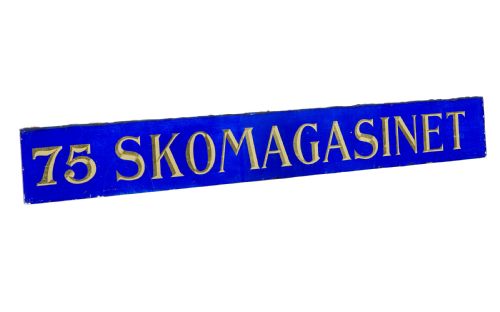

Antique Shop Panels
These antique shop panels encompass trade signs, window displays, and counters from the Victorian, Edwardian, and later periods.
Antique Shop Panels
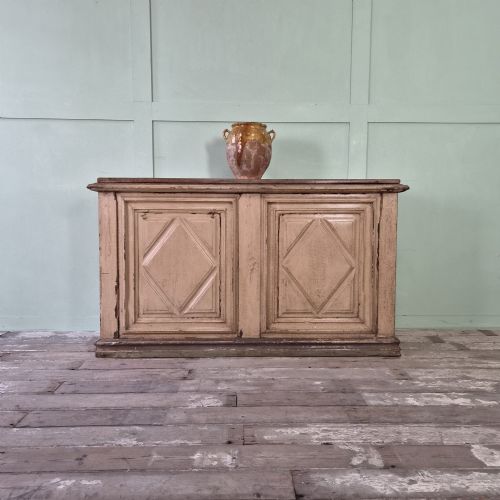
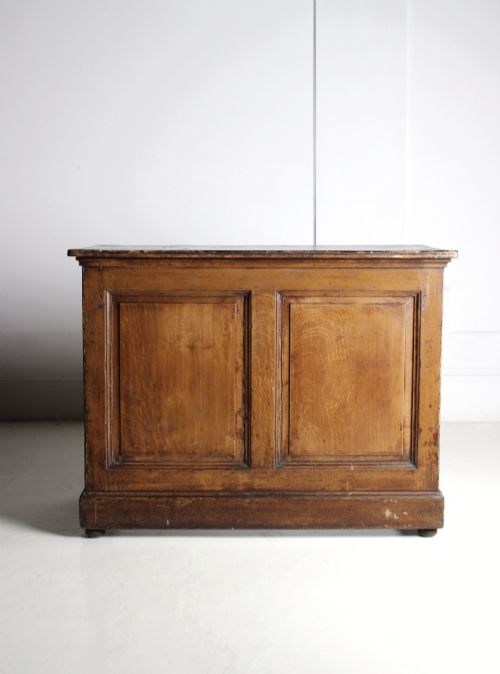
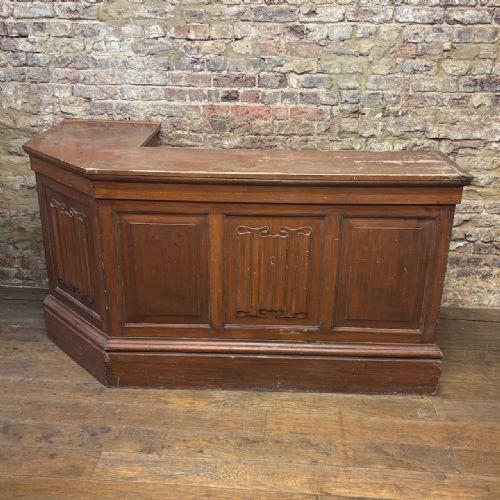
When you search for antique shop panels, you are looking at functional commercial salvage that includes painted glass window signs, timber counters, and architectural fixtures. The selection ranges from Victorian drapers' counters to Edwardian glass practice windows and commercial trade signs.
You are most likely to meet painted pine and oak shop counters alongside reverse-painted or cut glass window panels originating from the nineteenth and early twentieth centuries. These pieces carry the utilitarian marks of their original trade environments.
The material evidence spans shop counters, wall signs, display cabinets, and dressing mirrors created across periods from the Victorian era through the nineteen-thirties. Each form reflects the specific commercial demands of the eras in which they were utilised.
How they were made
Makers utilised timber such as oak, pine, and general wood to construct counters, bookcases, and framing for glass elements. Pine was frequently painted, sometimes finished with a faux oak effect.
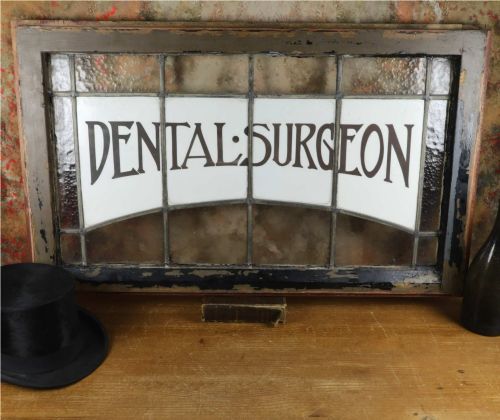
Glass panels incorporate techniques like reverse painting, cutting, and gold leaf application, frequently housed within wooden frames or combined with lead and brass fittings. Beaten copper embossed panels represent the Arts and Crafts approach to trade signage.
Antique Shop Panels Retail Price Guide 2026
Typical asking prices for shop panels among the pieces listed under this phrase on Sellingantiques today, from the lower quarter to the upper quarter. They describe what is for sale here now, not the wider market.
What varies in quality
The standard of execution varies between straightforward utilitarian shop fixtures and more decorative trade expressions, such as reverse-painted glass signs and beaten copper work. The integrity of original surfaces, whether paint, gold leaf, or exposed timber, determines the character of each piece.
Construction methods shift from robust commercial counters built in oak or pine to delicate glass window panels that require careful lead and wooden framing. The survival of original glass, frames, and painted lettering distinguishes the preservation level of individual items.
The Antique Shop Panels Glossary
- Reverse Glass Painting
- A technique where the image or lettering is applied to the back of the glass so the front provides a glossy protective finish. This method is common in Edwardian trade and shop window signs.
- Architectural Salvage
- Building elements and commercial fittings rescued from structures destined for alteration or demolition. This encompasses counters, display cases, and window panels.
- Faux Finish
- A decorative paint technique used to imitate more expensive materials, such as applying a grain effect to pine to resemble oak. It was widely utilised on utilitarian shop furniture.
- Trade Sign
- A panel or board created to advertise a specific profession or merchandise type to the public. Examples include dental surgeon notices and confectionery or tobacco shop window panels.
Antique Shop Panels: Frequently Asked Questions
What are antique shop panels?
Antique shop panels comprise trade signs, window displays, and fitted commercial furniture originating from the nineteenth and early twentieth centuries. They served a direct practical purpose in retail and professional premises.
The category includes reverse-cut glass signs, painted pine and oak counters, and embossed copper panels. Each item retains the aesthetic and physical characteristics of its commercial origins.
How were glass shop signs used?
Glass shop signs were hung in windows or integrated into shopfronts to advertise specific trades, such as dentistry, confectionery, or tobacco. They directed customers and identified the nature of the business within.
These panels relied on techniques like reverse painting, gold leaf, and cutting to remain legible from the street. Their striking visual design made them effective commercial announcements.
How do I date a wooden shop counter?
Dating a wooden shop counter involves examining the timber species, construction joints, and any applied surface finishes like paint or faux graining. Pieces from the Victorian and Edwardian eras show distinct joinery methods suited to heavy commercial use.
Evidence from the listings points to oak and pine as primary materials across the nineteenth and early twentieth centuries. Comparing these structural choices to known period styles helps establish an approximate timeframe.
Where can I place an architectural sign?
Architectural signs and glass panels fit well in contemporary interiors that accommodate salvage pieces with strong graphical qualities. Wall-mounted glass signs or framed mirrors work effectively in hallways, kitchens, or living spaces.
Larger elements like shop counters serve as functional furniture islands or sideboards in domestic settings. Their durable construction allows them to adapt readily to modern residential use.