






Antique Shop Letters
Antique shop letters bring tangible commercial history into interiors through surviving trade signs, glazed cabinets and painted lettering.
Antique Shop Letters
When buyers search for antique shop letters, they encounter authentic surviving commercial signage, painted trade boards and glazed display cabinetry that once served retail premises. These pieces originate predominantly from the nineteenth and early twentieth centuries, spanning Victorian, Edwardian and Art Deco periods.
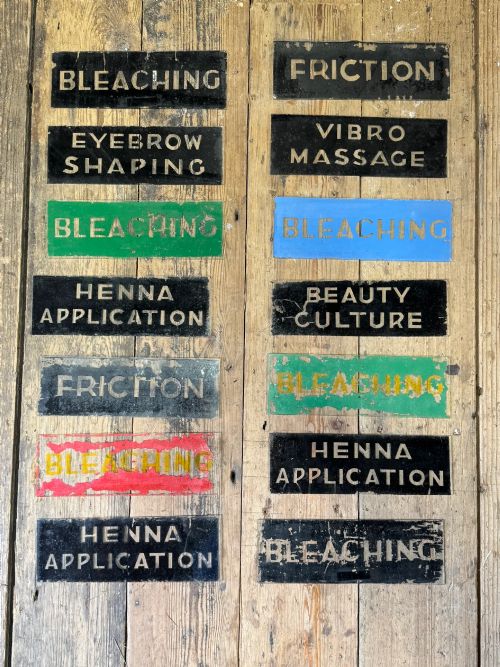
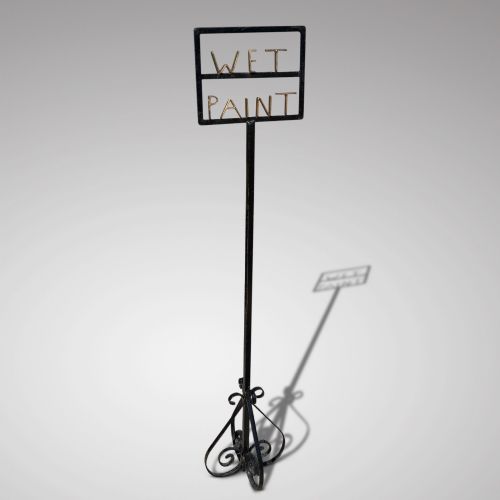
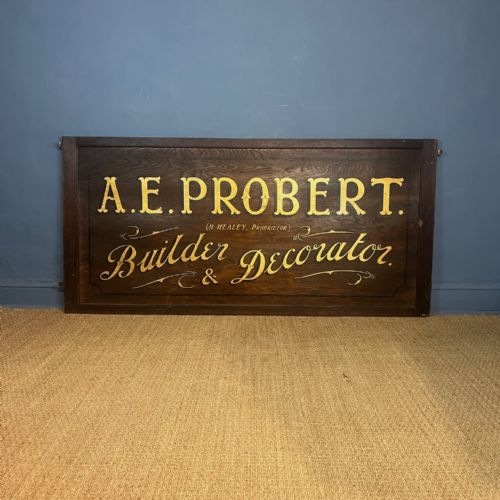
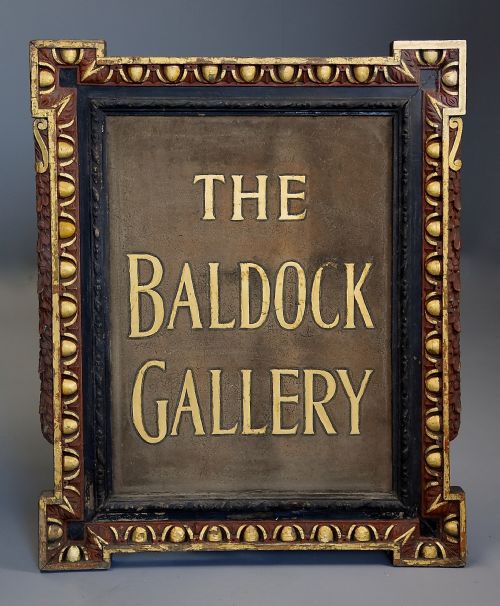
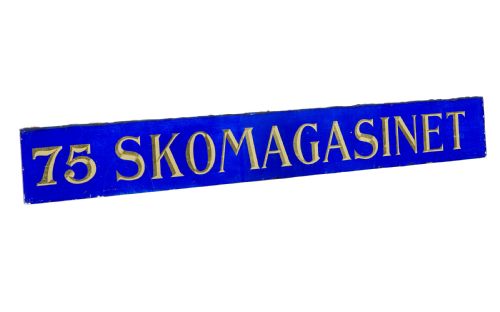
The selection here encompasses everything from reverse-painted glass signs and hand-painted tradesman boards to chocolate advertising cabinets and chemist jars. Wall signs, standing signage and architectural salvage form the core of what appears on this page.
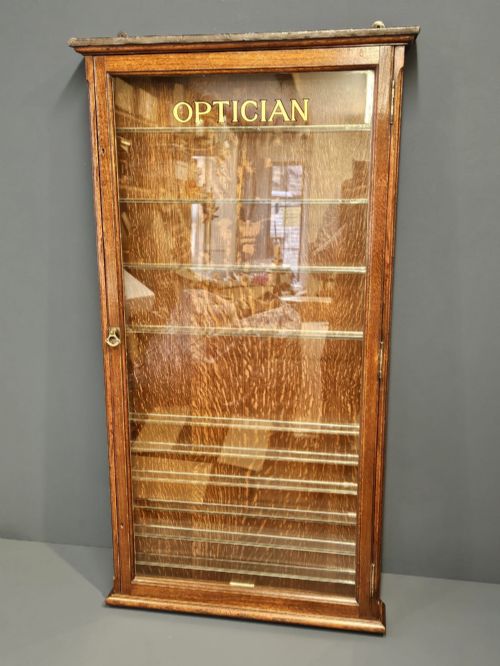
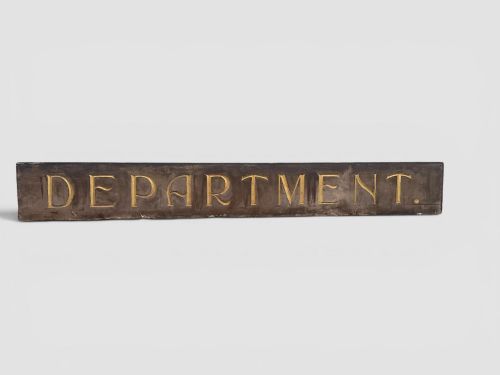
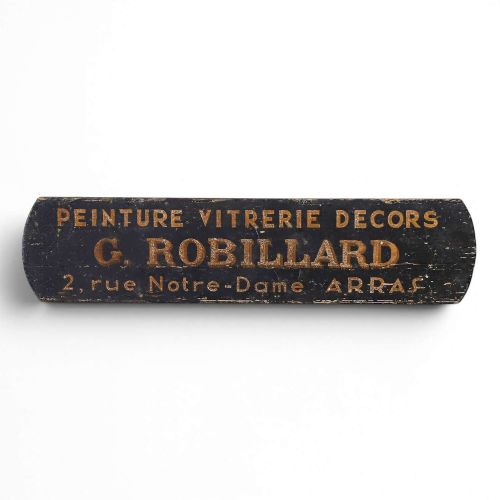
Buyers most frequently meet Edwardian oak wall-mounted cabinets, French hand-painted trade signs, and nineteenth-century department store shop signs. Each object carries the specific utility of past commerce, adapted today for domestic or commercial decorative display.
Materials and construction
Signage relies on hand-painted lettering, gold leaf, and wrought iron work applied to wooden boards or glass panels. Beaten copper, paint and creamware also appear across the evidence, showing traditional craft methods applied to commercial promotion.
Antique Shop Letters Retail Price Guide 2026
Typical asking prices for shop letters among the pieces listed under this phrase on Sellingantiques today, from the lower quarter to the upper quarter. They describe what is for sale here now, not the wider market.
Listings feature items from the 19th Century, Victorian, Edwardian, and Art Deco periods, utilising oak, mahogany, glass, and beaten copper.
Assessing quality and authenticity
Quality rests upon the preservation of original hand-painted lettering, gilding and surface finishes rather than cosmetic restoration. Pieces retaining their genuine historical patination command greater interest from collectors.
Construction methods also dictate standard, where solid timber framing and careful joinery on cabinets outlast lighter commercial output. The clarity of reverse-cut glass and the crispness of painted trade typography separate standard utility items from finer examples.
Fry s Chocolate·Ermen and Roby·Rowntree s Chocolates
The Antique Shop Letters Glossary
- Reverse-painted glass
- A technique where paint and gold leaf are applied to the back of a glass panel so the design appears correctly from the front. This method protected the pigments from weather and wear in busy shopfronts.
- Trade sign
- A board, panel or hanging object commissioned by a business to advertise its trade or location. These pieces rely on clear lettering and iconography to attract passing custom.
- Creamware
- A fine earthenware developed in Yorkshire during the eighteenth century, glazed with a warm cream colour. It appears on utilitarian storage items such as chemist bowls.
- Vitrine
- A glass-fronted display cabinet or case designed to showcase delicate goods. They utilise glazed doors and timber frames to protect contents while maintaining visibility.
- Architectural salvage
- Building elements, fixtures and signage rescued from demolition or refurbishment. These items preserve the structural and decorative details of older commercial properties.
Antique Shop Letters: Frequently Asked Questions
What are antique shop letters?
Antique shop letters encompass surviving commercial signage, painted trade boards, and lettering salvaged from historic retail premises. They capture the typography and advertising methods of nineteenth and early twentieth-century commerce.
These pieces range from reverse-painted glass window panels to carved wood and gilded wall signs. Buyers use them to introduce authentic industrial or commercial character into modern interiors.
How were trade signs displayed?
Trade signs were mounted on exterior brickwork, hung above shop entrances, or placed inside windows to attract pedestrians. Many were built to withstand outdoor elements using durable woods and protective glass layers.
Interior signage and glazed cabinets stood on counters or hung on walls within chemists, drapers, and confectioners. They positioned merchandise and business names directly at eye level for customers.
How do I date an antique sign?
Dating relies on the typeface, materials, and framing techniques characteristic of specific periods like the Victorian or Edwardian eras. Stylistic cues such as Art Deco geometry or Belle Epoque lettering provide clear chronological markers.
Construction details, including the type of timber used and the method of glass preparation, also indicate the era of manufacture. Examining the original paint layers helps confirm the historical context.
How do I live with shop signage?
Shop signage and display cabinets suit domestic spaces when mounted securely on walls or placed as statement furniture. Their strong typography and patinated surfaces anchor contemporary rooms with historic texture.
Cabinets serve practical storage roles while displaying collections behind glass doors. Wall signs function effectively as large-scale art pieces in living areas, kitchens, or hallways.