





Antique Shoe Box
When you search for an antique shoe box, you encounter unusual pocket receptacles, storage trunks, and novelty items shaped like footwear.
Antique Shoe Box
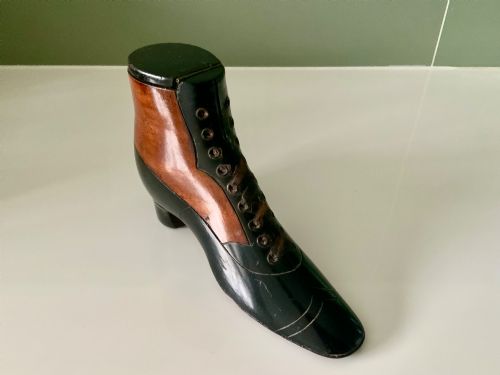
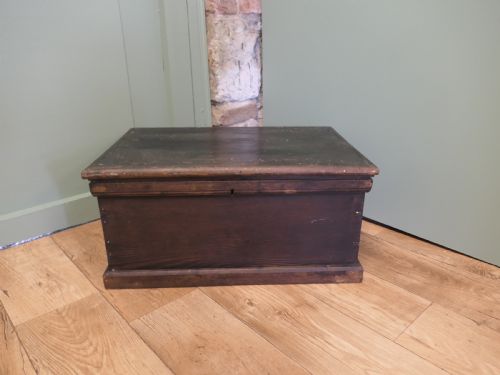
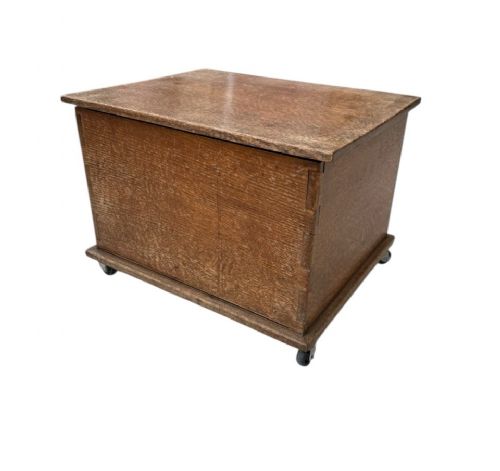
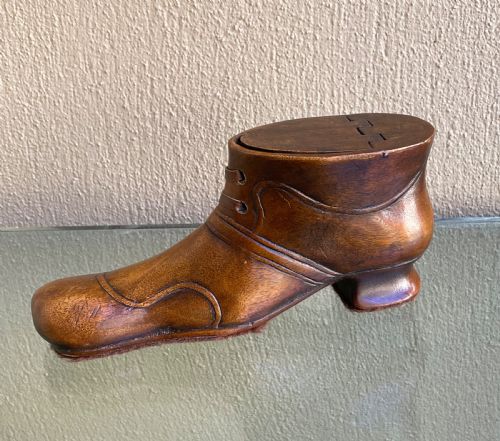
An antique shoe box typically takes the form of a carved treen snuff container shaped like a slipper, boot, or clog, originating largely from the Georgian and Victorian periods. These pieces range from small pocket items with sliding lids to double-opening specimens and larger household storage chests, slipper boxes, and cabinets.
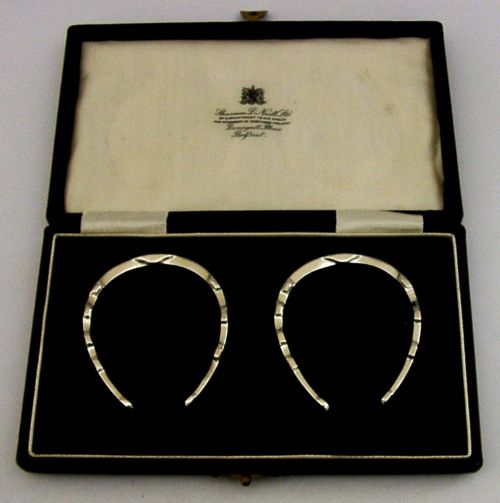
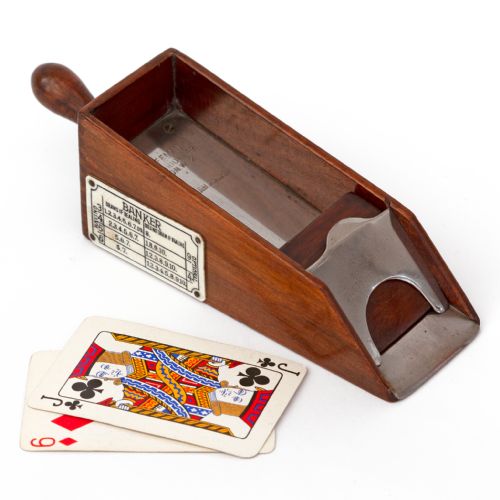
The category also encompasses silver vinaigrettes, pin cushions, and card shoes, alongside larger oak and mahogany storage trunks and shoe shine boxes. Folk art examples often incorporate inlaid diamonds, brass pique work, or carved lace decorations reflecting domestic and prisoner-of-war craftsmanship.
How They Were Made
Carved treen items utilise hardwoods such as mahogany, fruitwood, and oak, often shaped meticulously to mimic footwear with detailed toes, heels, and laces. Metal variations incorporate brass, sterling silver, pewter, and papier-mâché, sometimes featuring inlaid bone or pique work foliage.
Many small snuff boxes employ sliding panels or double-opening lids hinged for practical daily pocket use. Larger storage chests and ottomans rely on traditional joinery in pine and solid wood, occasionally paired with upholstered lids.
Antique Shoe Box Retail Price Guide 2026
Typical asking prices for shoe box among the pieces listed under this phrase on Sellingantiques today, from the lower quarter to the upper quarter. They describe what is for sale here now, not the wider market.
Listings feature materials spanning solid sterling silver, brass, fruitwood, mahogany, bone, oak, and hardwood.
What Varies in Quality
The distinction between ordinary and superior pieces rests on the crispness of the carving and the intricacy of the surface decoration. Examples displaying detailed inlaid brass pique work, pictorial panels, or named historical associations command greater attention than plain turned wood.
Condition and original patina dictate desirability, particularly on treen surfaces exposed to decades of handling. Subtle variations in execution, such as finely carved lace patterns or sliding wooden lids that retain smooth operation, mark out the better workshops.
Mappin and Webb
The Antique Shoe Box Glossary
- Treen
- Small wooden domestic objects made by turning or carving. This material dominates pocket snuff containers and small boxes.
- Pique work
- Inlay technique utilising tiny pins or strips of brass, silver, or gold to create geometric and floral patterns. It frequently decorates Victorian and Georgian wooden shoe boxes.
- Vinaigrette
- Small ornamental box containing a perforated grill over a sponge soaked in aromatic vinegar. These metal novelties occasionally take shoe shapes.
- Prisoner of War work
- Objects carved by detained soldiers during Napoleonic conflicts, often fashioned from bone or wood. These pieces frequently appear as double-opening snuff shoes.
Antique Shoe Box: Frequently Asked Questions
What were shoe snuff boxes used for?
These small containers held dry tobacco snuff for personal consumption in the eighteenth and nineteenth centuries. Users slid the wooden or metal lid to access the powdered tobacco.
Their novelty foot shape served as a whimsical conversation piece during social gatherings and polite dining.
How old are most wooden shoe boxes?
The majority of carved treen examples date from the Georgian and Victorian eras, spanning the late eighteenth through the late nineteenth centuries. Makers utilised dense hardwoods like mahogany and fruitwood during this active period of novelty container production.
Later iterations extend into the early twentieth century, including card shoes and solid oak slipper boxes.
What is prisoner of war work?
This term describes items carved by captured soldiers, frequently during the Napoleonic Wars, utilising basic tools and scavenged materials. Their double-opening shoe boxes often feature intricate geometric patterns or inlaid bone.
These pieces represent a distinct subset of folk art within antique collections.
How do I distinguish treen from metal versions?
Treen pieces consist entirely of carved or turned organic wood, developing a deep patina from human handling over centuries. Metal variants utilise sterling silver, pewter, brass, or German silver, sometimes incorporating embossed equestrian motifs or hinged lids.
Each material requires different care to preserve the original surface finish.