

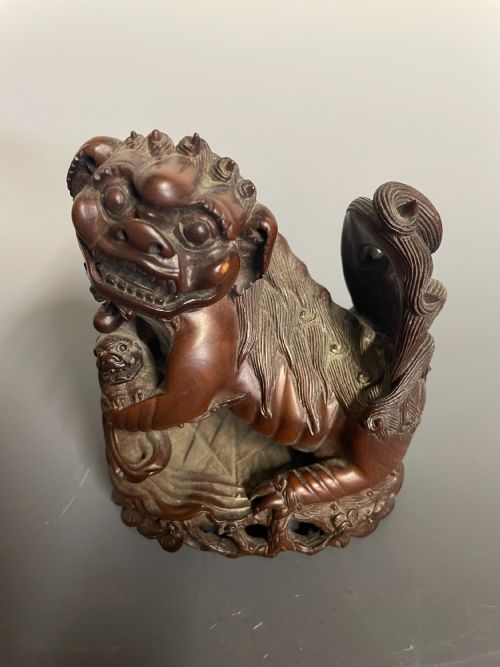


Antique Shishi Lion
These antique shishi lion figures combine mythical guardian power with centuries of East Asian craftsmanship, offering striking presence for any interior scheme.
Antique Shishi Lion
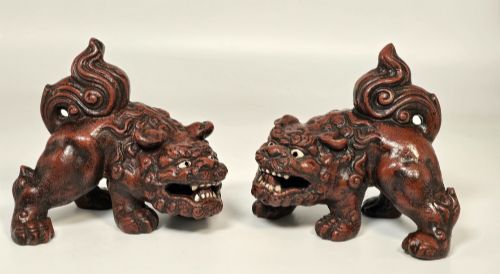
An antique shishi lion represents the traditional Buddhist guardian beast found across East Asian decorative arts, frequently modelled as ferocious yet protective temple dogs. When searching for an antique shishi lion, buyers commonly encounter Japanese Meiji period ceramics and Chinese carved wooden or bronze sculptures.
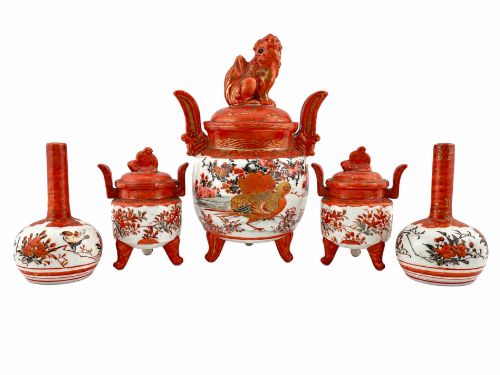
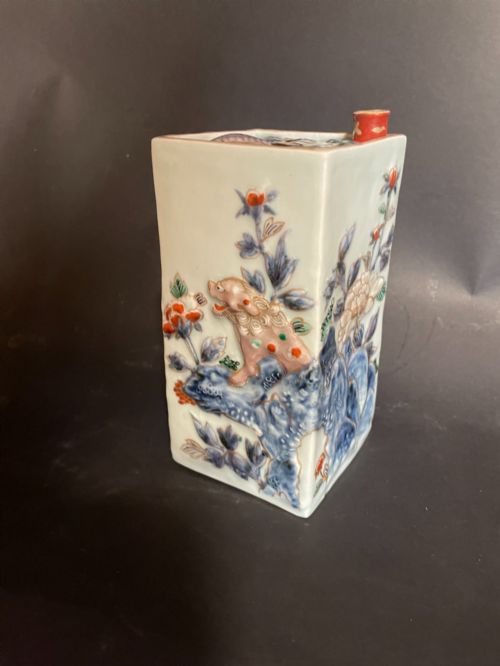
The physical forms vary significantly from temple incense burners and lidded koro vessels to freestanding ceramic sculptures and scholar's desk seals. Japanese Kutani porcelains and Imari garnitures frequently incorporate these guardian creatures into handles or decorative motifs.
Origins span multiple centuries, touching upon Ming and Qing dynasty Chinese works alongside Japanese Edo and Meiji period examples. Buyers will also find European interpretations cast in iron, demonstrating the enduring global appeal of the motif.
Materials and methods of production
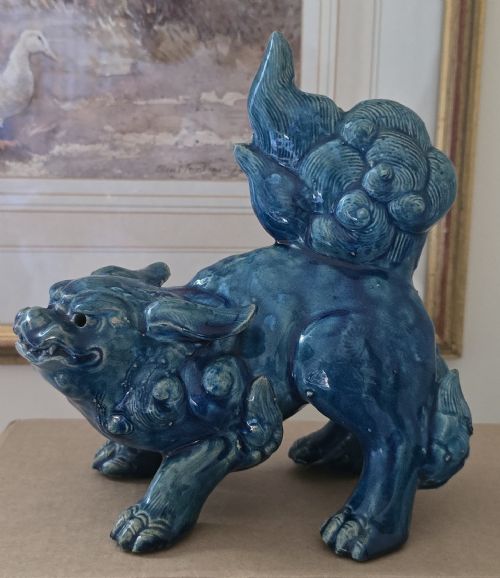
Potters and sculptors utilised porcelain, earthenware, and bronze, shaping them through hand-building, throwing, and lost-wax casting techniques. Overglaze enamels, gold leaf, and turquoise glazes frequently added vibrant colour and surface richness to the ceramics.
Wood carvers worked with boxwood and other dense timbers to achieve intricate detail in facial expressions and curling manes. Cast iron production allowed European foundries to replicate the muscular forms of Chinese foo dogs on a heavier scale.
Antique Shishi Lion Retail Price Guide 2026
Typical asking prices for shishi lion among the pieces listed under this phrase on Sellingantiques today, from the lower quarter to the upper quarter. They describe what is for sale here now, not the wider market.
Materials represented across the inventory include boxwood, bronze, cast iron, earthenware, and porcelain.
Distinctions in execution and age
Quality rests upon the crispness of the modelling and the depth of expression captured in the creature's face and paws. Superior examples display confident, dynamic carving or potting rather than rigid symmetry.
The fineness of the surface decoration, such as detailed moriage work or carefully applied gold leaf, separates standard decorative pieces from masterworks of the Meiji period or Ming dynasty.
Unno Shomin
The Antique Shishi Lion Glossary
- Shishi
- A mythical guardian lion originating from Buddhist tradition, tasked with warding off evil spirits. These figures are often paired with one having an open mouth and the other closed.
- Koro
- A traditional Japanese incense burner, frequently featuring a pierced lid and tripod feet. They are often surmounted by a sculpted shishi figure.
- Kutani
- A style of Japanese porcelain known for vibrant overglaze enamel painting, often incorporating rich reds and gold. Figures and vessels from this tradition frequently showcase guardian lions.
- Imari
- A traditional Japanese porcelain style featuring underglaze blue and overglaze iron red, gold, and green. Large lidded vases and chargers in this style often incorporate the motif.
- Okimono
- A small Japanese decorative sculpture designed for display in a tokonoma alcove. These include finely detailed metal or ivory works.
Antique Shishi Lion: Frequently Asked Questions
What is a shishi lion?
A shishi is a mythical guardian beast derived from Buddhist tradition, also commonly referred to as a foo dog or lion dog. They symbolise protection and prosperity in East Asian art.
These figures appear across various media, including bronze seals, ceramic vases, and carved wooden sculptures, traditionally placed near doorways or sacred spaces.
How do I date an antique shishi?
Dating relies on examining the material, potting techniques, and stylistic markers associated with specific periods like the Meiji era or Ming dynasty. Glaze characteristics and wear patterns also provide vital clues.
Earlier pieces from the Ming and Qing dynasties exhibit distinct casting or carving styles compared to later Japanese Meiji period export wares.
Were these figures used as incense burners?
Many ceramic and bronze shishi figures function as lidded incense burners, known as koro. The smoke would emerge through the pierced cover or the creature's open mouth.
Such vessels were utilised in scholar's studios and temples for burning aromatic woods and resins during meditation or ceremonies.
How do I display a shishi figure?
These sculptures sit effectively on mantelpieces, desks, or dedicated display cabinets where their detailed carving and colour can be appreciated up close. They work well as single focal points or balanced in pairs.
When displaying ceramic garnitures or lidded vessels, ensure they are placed on stable surfaces away from high-traffic areas to protect delicate glazes and protruding elements.