





Antique Ships Light
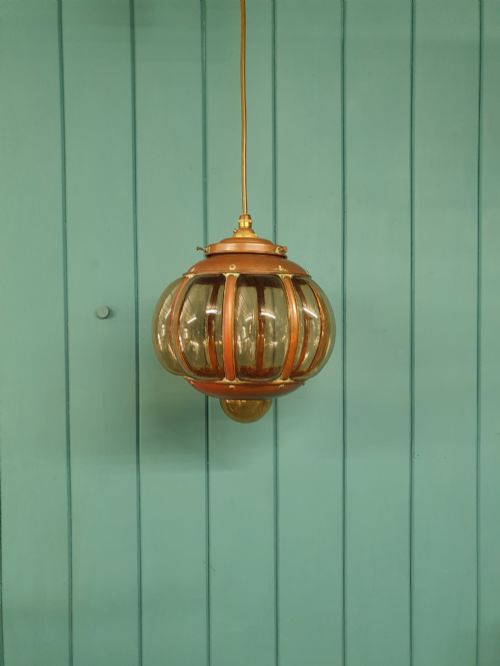
An antique ships light brings practical maritime history into a room, offering robust brass or copper construction designed to weather the sea.
Antique Ships Light
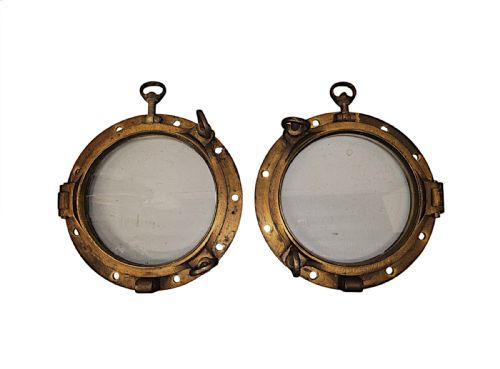
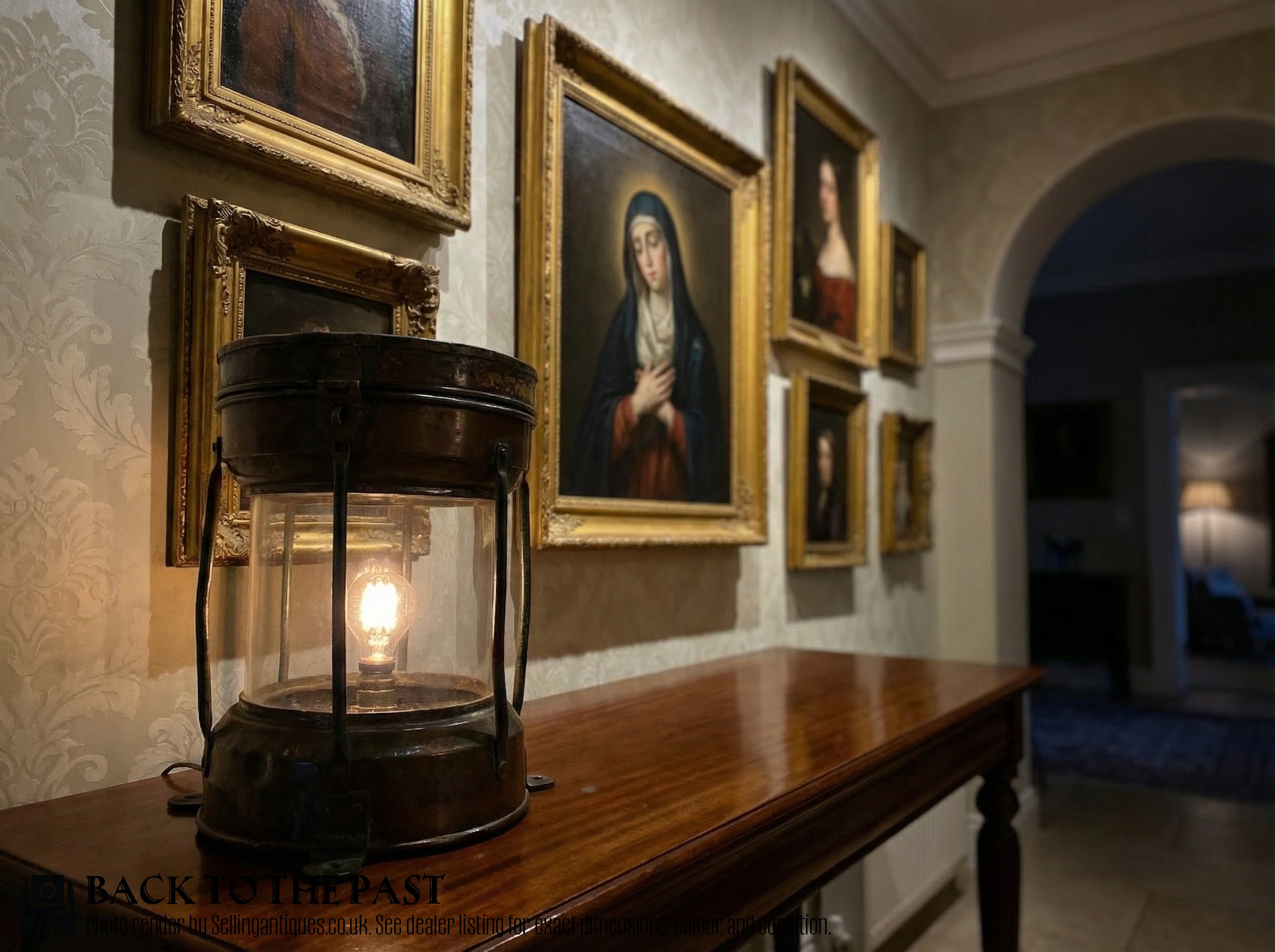
When you search for an antique ships light, you are looking at functional maritime equipment repurposed for interior illumination, ranging from port holes and bulkhead lamps to large chandeliers shaped like galleons. The pieces on this page span several decades and the nineteenth century, reflecting utilitarian designs originally built for navigation.
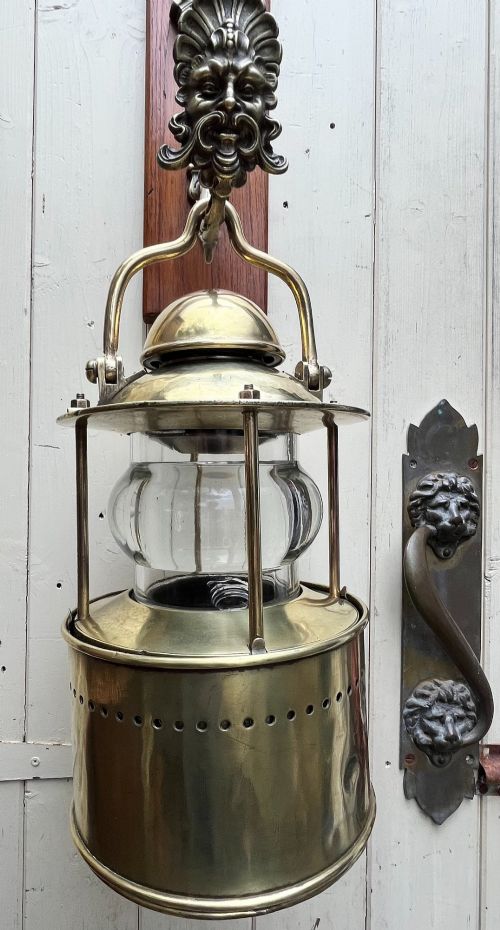
You will frequently encounter gimbal lamps, wall lanterns, and pendant lights fashioned from heavy metals and thick glass. These objects carry the utilitarian aesthetic of maritime travel, designed to withstand rough conditions on the water rather than sit quietly in a domestic parlour.
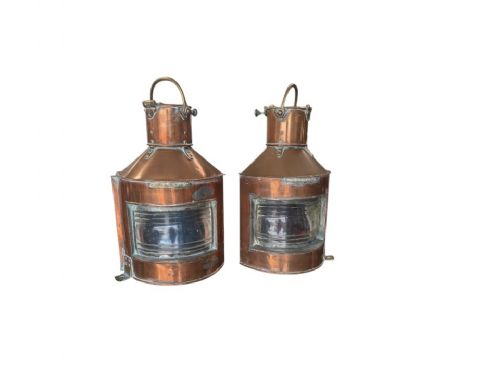
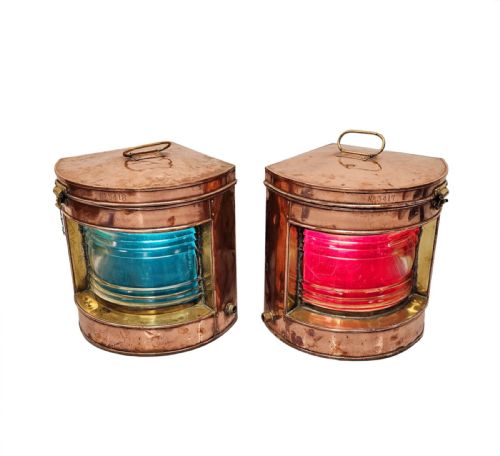
The assortment includes specialised items such as port and starboard lanterns by known makers alongside architectural salvage and decorative Italian galleon chandeliers. Each form tells a story of naval engineering and seafaring tradition adapted for modern spaces.
Materials and construction
Makers utilised durable metals like brass, copper, and nickel plating to build housings that resisted corrosive saltwater environments. Smoked glass and clear crystal protected the flame or bulb while standing up to heavy vibration on deck.
G Gimbal mechanisms allowed interior lamps to swing freely and remain upright as vessels rolled on the waves. Riveted plates, heavy enameled iron bases, and watertight seals demonstrate the rigorous engineering required for life at sea.
Antique Ships Light Retail Price Guide 2026
Typical asking prices for ships light among the pieces listed under this phrase on Sellingantiques today, from the lower quarter to the upper quarter. They describe what is for sale here now, not the wider market.
Judging quality and character
The distinction between standard utility items and finer pieces often lies in the maker's mark and the complexity of the hardware. Stamped brass plates and robust gimbal engineering elevate certain lanterns above unmarked utilitarian examples.
Surface patination reveals how a piece has aged over time, with untouched copper and brass showing authentic signs of exposure. The presence of original smoked glass or intact nickel plating preserves the intended industrial aesthetic.
Alderson & Gyde Ltd·William McGeoch & Co
The Antique Ships Light Glossary
- Gimbal
- A pivoted ring assembly that allows a lamp to remain horizontal regardless of the vessel's motion. This mechanical setup is typical of maritime fittings.
- Port and starboard
- Terms indicating the left and right sides of a vessel respectively, marked by distinct red and green filters in navigation lanterns. These directional lights are essential for identifying maritime signals.
- Pendant light
- A hanging fixture suspended from a ceiling by a chain or cord. In a maritime context, these units utilise robust copper or brass hoods.
- Patina
- The surface oxidation and wear that develops on metals over decades of exposure. Collectors value this natural ageing as proof of genuine history.
Antique Ships Light: Frequently Asked Questions
What is an antique ships light?
These pieces are functional navigation and cabin lamps salvaged from vessels, constructed from heavy metals to endure harsh marine environments.
They bring industrial character and historical maritime utility into domestic interiors as wall lanterns, pendants, or table lamps.
How do gimbal lamps work?
A gimbal uses concentric rings and pivots to keep the lamp body level while the mounting surface tilts with the movement of a ship.
This clever mechanical design prevented oil lamps from spilling during rough weather at sea.
Where were these lights used?
They were installed across various watercraft, from merchant vessels and naval ships to passenger liners, illuminating cabins, corridors, and decks.
Some examples also served specialised functions like signaling passage through port and starboard markers.
How do I hang a heavy brass lantern?
Due to the substantial weight of brass, copper, and thick glass, secure ceiling or wall anchorages into structural studs are essential.
Many pieces retain their original mounting brackets or chains, which assist with safe installation in modern rooms.
How do I date an antique ship lamp?
Dating relies on materials, manufacturing techniques, and maker stamps or patent marks stamped into the metal housing.
Pieces from the nineteenth century often feature heavier cast components, while early twentieth-century examples incorporate nickel plating or enameled iron.