





Antique Maritime Lighting
Antique maritime lighting brings functional nautical engineering into domestic spaces, offering solid brass and copper pieces built to withstand the open sea.
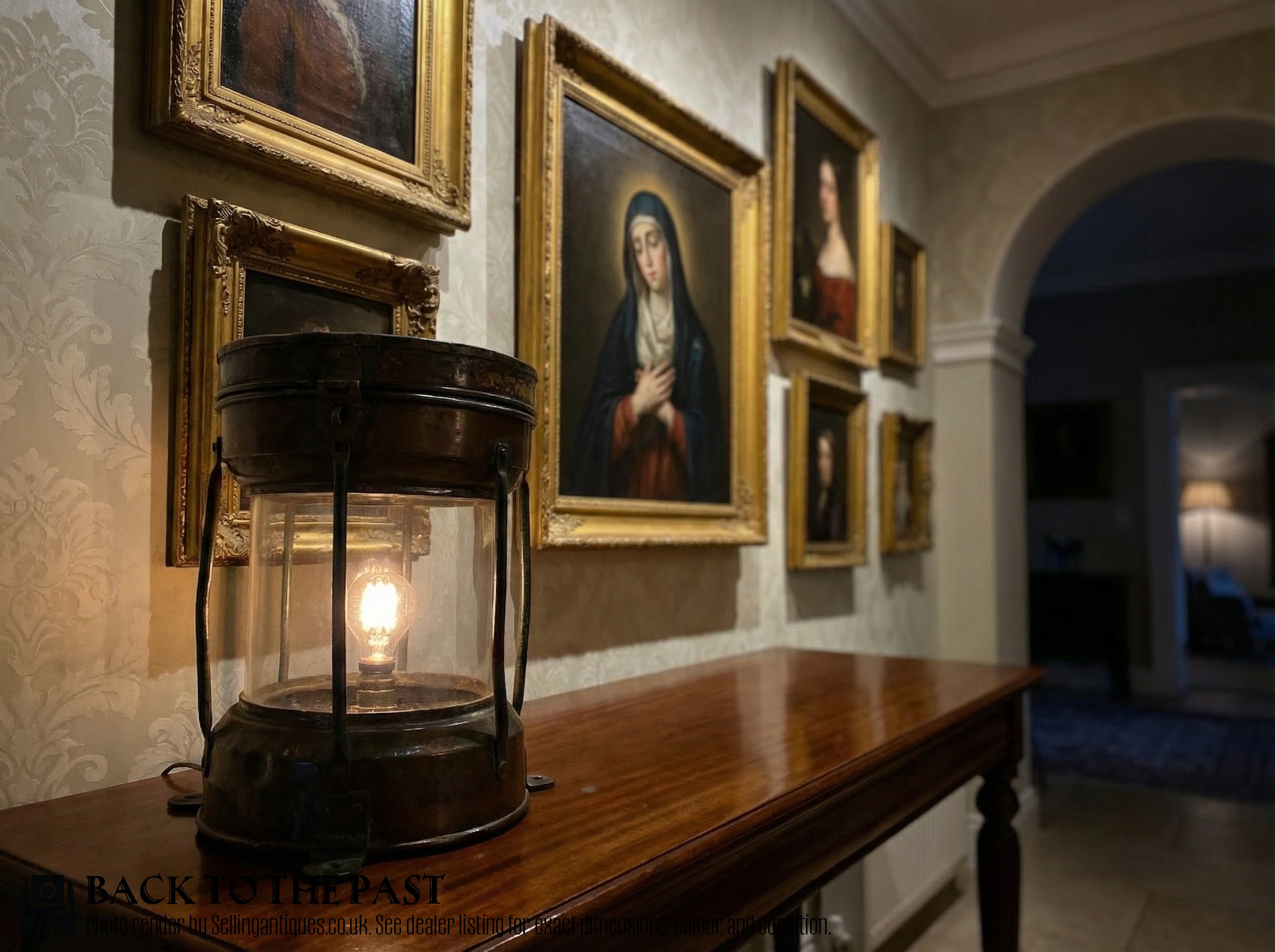
Antique Maritime Lighting
When buyers search for antique maritime lighting, they look at heavy-duty utilitarian items adapted from ships, alongside related coastal art and salvage. The selection relies heavily on functional brass and copper pieces originating from the nineteenth and early twentieth centuries.
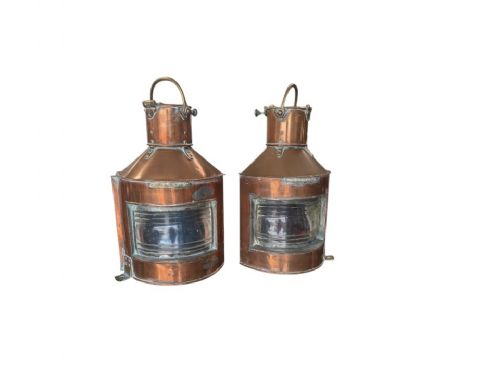
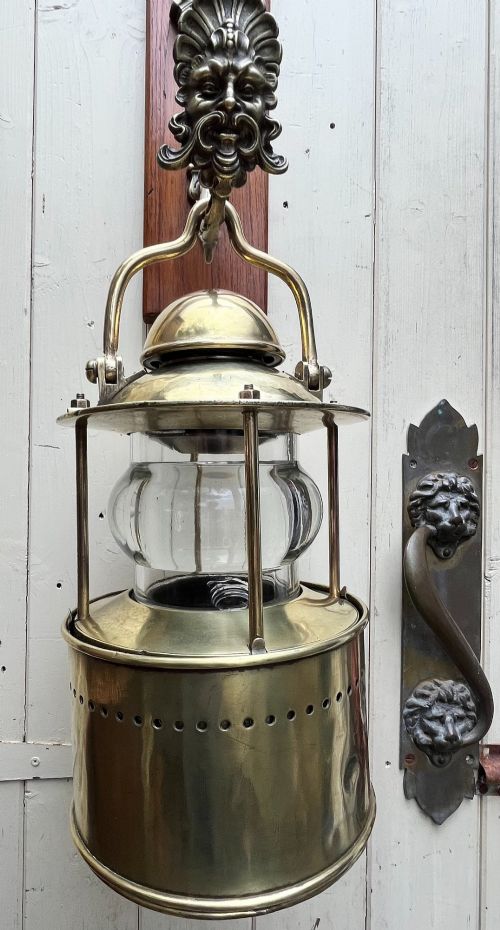
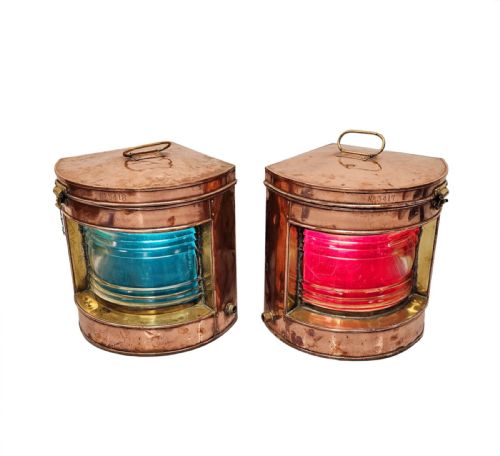
The most common forms you will meet on this page are ship lanterns, gimbal lamps, and pendant lights. These items range from simple cabin lamps to heavy port and starboard navigation lights produced by specialist marine makers.
Materials and construction
These items use durable metals like brass, copper, nickel plating, and black enamelled iron to resist corrosion in marine environments. Thick glass lenses and panels protect internal burners while diffusing light evenly across cabins and decks.
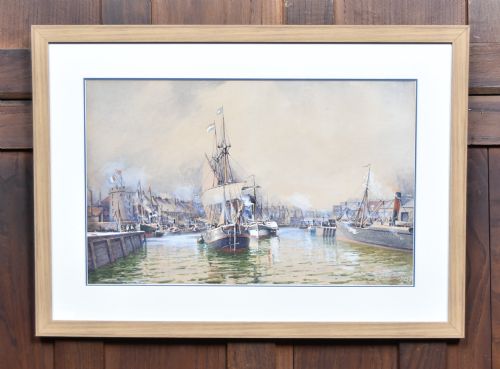
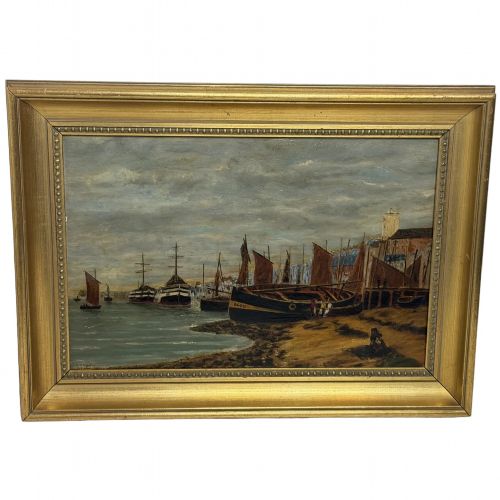
Makers incorporated mechanical systems such as gimbals to keep lamps upright during vessel movement. Wood, fabric, and paper appear occasionally in associated items like oak table lamps, teak candlesticks, and framed coastal watercolours.
Antique Maritime Lighting Retail Price Guide 2026
Typical asking prices for maritime lighting among the pieces listed under this phrase on Sellingantiques today, from the lower quarter to the upper quarter. They describe what is for sale here now, not the wider market.
The listings on this site combine heavy brass navigation lanterns with Edwardian oak table lamps, coastal oil paintings, and architectural salvage.
Assessing quality in nautical fixtures
Quality depends upon the heaviness of the cast metal components and the integrity of the original plating or surface patination. Industrial fittings produced by named makers display superior casting precision and robust mechanical joints compared to anonymous utility pieces.
The presence of intact manufacturer plates, original coloured glass lenses, and functional gimbal mechanisms elevates a piece. Pieces that retain their genuine working parts demonstrate the utilitarian standard required for shipboard use.
Eli Griffiths & Sons·Alderson & Gyde Ltd·William McGeoch & Co
The Antique Maritime Lighting Glossary
- Gimbal lamp
- A lamp mounted on a pivoting ring system that keeps the burner level regardless of the vessel's roll and pitch. This mechanism ensured stable illumination below deck.
- Port hole
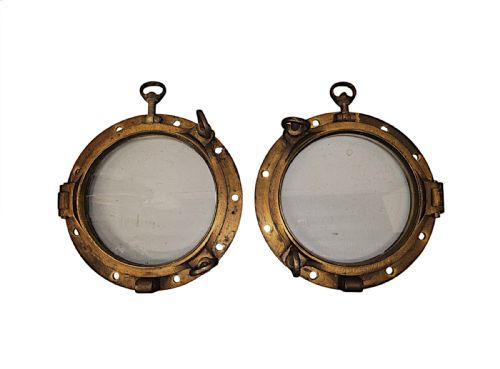
- A heavy brass or bronze circular window frame utilised on ship hulls for light and ventilation. They are frequently salvaged and adapted into decorative wall fixtures.
- Port and starboard
- The nautical terms for the left and right sides of a vessel, traditionally indicated by red and green navigation lights respectively. Lanterns carry specific directional plates for these positions.
- Pendant light
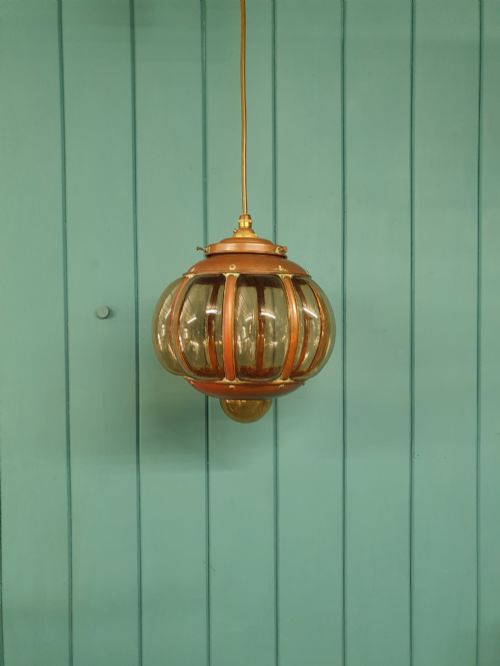
- A hanging light fixture suspended from a ceiling by a cord, chain, or metal rod. In marine contexts, these often feature robust copper or brass hoods with smoked glass.
- Patination
- The natural surface change, wear, and oxidation that accumulates on metal and wood over decades of exposure. Collectors value this surface history as a marker of age.
Antique Maritime Lighting: Frequently Asked Questions
What is a gimbal lamp?
A gimbal lamp uses a pivoting ring assembly to counteract the rolling motion of a ship at sea. This keeps the oil or paraffin reservoir level and prevents fuel spills.
In a home setting, this engineering creates a distinctive silhouette and allows the lamp to swing freely when mounted to a wall or bracket.
How do I identify port and starboard lanterns?
Port and starboard lanterns are marked with specific directional plates or coloured lenses to designate the left and right sides of a vessel. Starboard fixtures typically utilise green glass, while port fixtures use red.
These functional distinctions help date the pieces to specific navigation safety regulations from the nineteenth and early twentieth centuries.
Were these lights originally electric?
Most of these fixtures were originally designed for oil, paraffin, or gas combustion before being adapted for modern electrical use. Makers built them with heavy-duty metal fonts and burners to operate safely in harsh marine environments.
When living with them today, wiring can be routed through the original burner assemblies without altering the exterior metalwork.
How do I clean brass and copper maritime pieces?
Cleaning depends on whether you prefer a bright polished finish or a dark, aged patination. Most collectors choose to leave the natural oxidation intact to preserve the historical character of the metal.
If polishing is necessary, use a gentle non-abrasive metal cream to avoid removing maker stamps or softening crisp casting edges.