


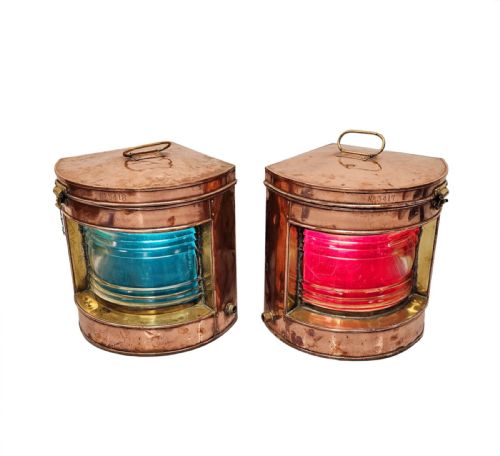


Edwardian Maritime Light
These pieces of edwardian maritime light bring genuine nautical history and practical design into a modern room.
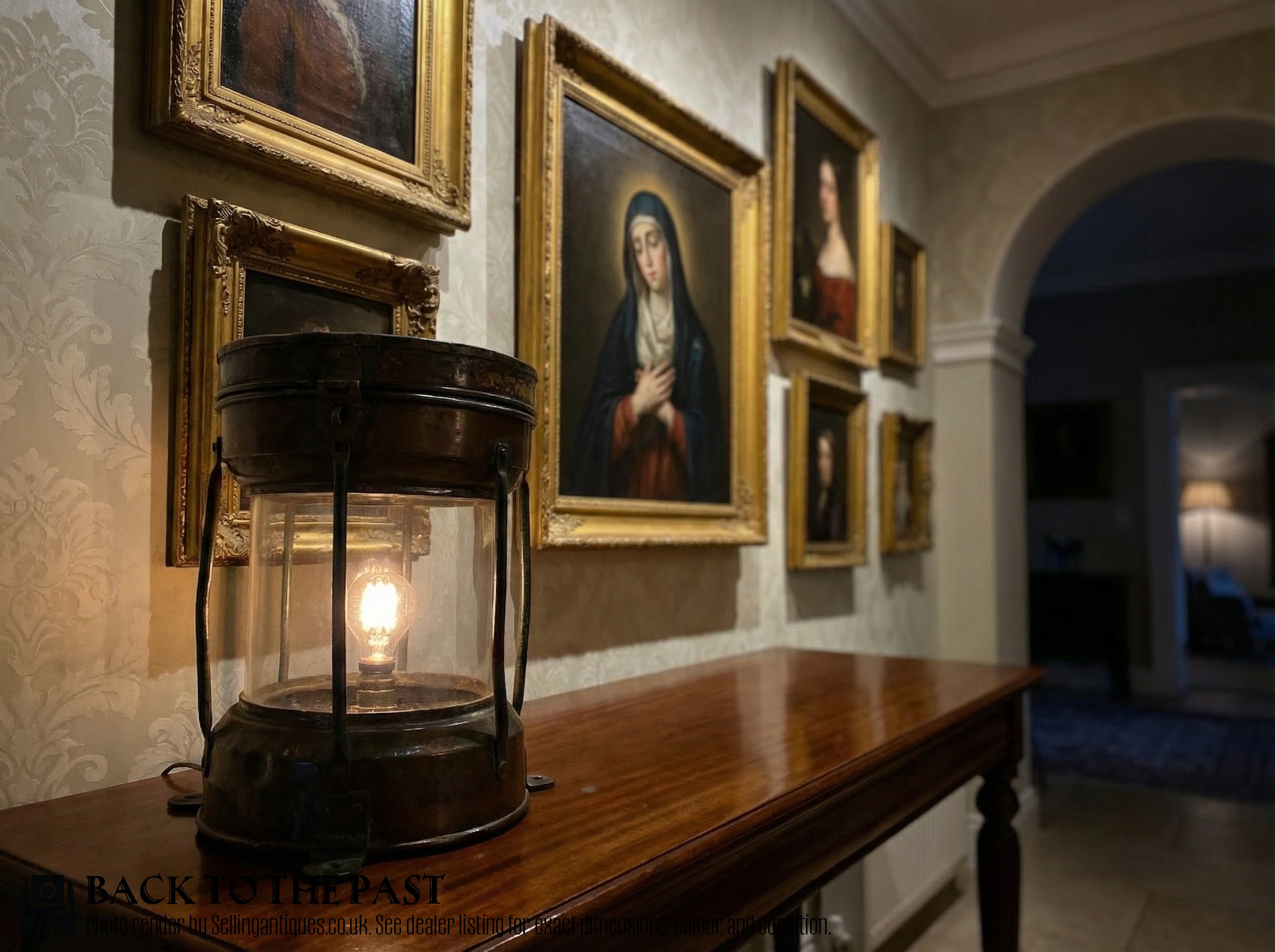
Edwardian Maritime Light
When you search for an edwardian maritime light, you encounter authentic nautical fittings, lamps and lanterns from the early twentieth century. The selection spans gimbal lamps designed for ships or trains, copper and brass ship lanterns, and solid oak lighthouse table lamps.
Most items you meet here date from the Edwardian period up to 1920. Alongside functional brass and nickel-plated lighting, the inventory includes teak candlesticks associated with royal yachts and marine watercolours depicting coastal scenes.
These items originate from marine environments, railway carriages and coastal architecture, built for utility on the water. They range from pairs of nickel-plated gimbal lights to single oil lamps bearing maker marks from Birmingham.
Materials and Construction
Makers utilised durable metals such as brass, copper and nickel-plated brass to withstand harsh marine conditions. Glass panels protected flame sources within lanterns, while wood like teak and solid oak provided stable bases for table lamps and candlesticks.
G gimbal mechanisms were engineered to keep lamps upright despite the roll of a ship or movement of a train. Turning wood on a lathe produced decorative items like bobbin-turned teak candlesticks linked to naval vessels.
Edwardian Maritime Light Retail Price Guide 2026
Typical asking prices for edwardian maritime light among the pieces listed under this phrase on Sellingantiques today, from the lower quarter to the upper quarter. They describe what is for sale here now, not the wider market.
A pair of bobbin-turned teak candlesticks on this page originates directly from the royal yacht HMS Renown.
Factors That Separate the Range
The distinction between standard utility items and finer examples often rests on maker attribution and original plating quality. Pieces bearing stamps from known firms such as Eli Griffiths & Sons or William McGeoch & Co hold particular interest.
Surface finish and patina tell the history of use on the water, distinguishing items that retain their original nickel plating from those stripped down to base brass. Completeness of original components, such as gimbal rings and glass lenses, defines the superior examples.
Eli Griffiths & Sons·William McGeoch & Co·Edmund Gouldsmith
The Edwardian Maritime Light Glossary
- Gimbal
- A pivoted support that allows a lamp or compass to remain level regardless of the motion of a ship. This mechanism is essential for keeping oil lamps stable at sea.
- Nickel-plated brass
- Brass coated with a thin layer of nickel to prevent corrosion and provide a silver-coloured finish. This treatment was common on maritime fittings exposed to salt air.
- Bobbin-turned
- Woodwork shaped on a lathe to create a series of rounded, spool-like knobs along a shaft. This decorative turning technique appears on antique candlesticks.
- Lantern
- A protected enclosure for a light source, usually featuring glass panes and metal framing. Maritime versions were built to withstand wind and spray on deck.
Edwardian Maritime Light: Frequently Asked Questions
What is an edwardian maritime light?
These pieces are functional lighting fixtures, lanterns and related decorative objects produced around the early twentieth century for nautical use. They include gimbal lamps, copper ship lanterns and lighthouse table lamps.
Built for ships, trains and coastal buildings, they combine robust metals like brass and nickel with practical engineering designed to function safely in motion.
How do gimbal lamps work?
Gimbal lamps use a system of concentric rings and pivots that allow the lamp body to swing freely. This ensures the flame or bulb remains upright while the vessel rolls.
You find these mounted in gimbals on ships or trains where steady lighting was required despite continuous movement.
How should I clean brass and nickel maritime lights?
Preserving the surface requires understanding whether a piece retains its historic patina or original plating. Aggressive polishing can remove aged surfaces that collectors value.
Dusting with a soft cloth and avoiding harsh chemical cleaners protects the underlying metal and any remaining nickel finish.
Can I date these lights accurately?
Dating relies on stylistic clues, materials and specific maker marks recorded on the pieces. Items in this category typically fall between 1900 and 1920.
Engraved details, maker plaques and patent stamps often provide specific decades or years of production.