



Antique Shippo Enamel
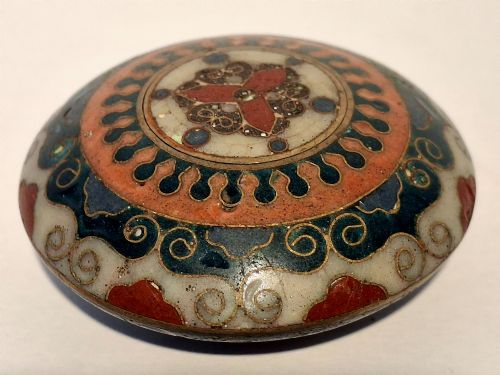
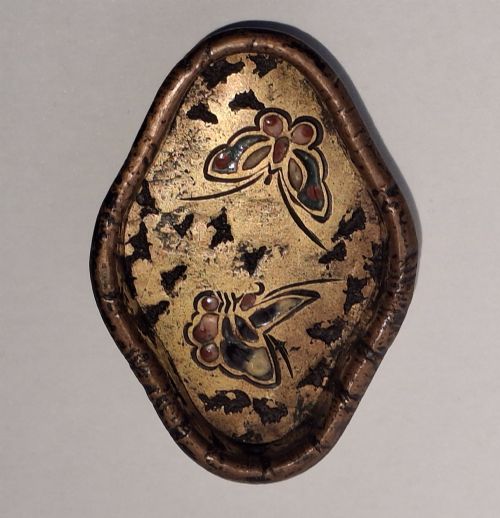
Antique shippo enamel pieces are traditional Japanese decorative vessels and plates crafted with vibrant coloured glass on metal or porcelain bases.
Antique Shippo Enamel
When you search for antique shippo enamel, you encounter decorative chargers, vases, bowls, and jewellery boxes originating from Japan across the Edo, Meiji, and Taisho periods. The most common examples on this page are large chargers and plates featuring intricate wirework and pictorial scenes.
The objects span multiple decades of Japanese craftsmanship, including pieces from the mid nineteenth century through to the early twentieth century. These items served primarily as decorative works of art, utilising traditional techniques handed down through generations of metalworkers and ceramicists.
How they were made
Artisans constructed these pieces using metal bodies of copper, brass, or silver, alongside ceramic and porcelain bases for totai shippo varieties. Fine metal wire, often silver, was soldered onto the surface to create cellular compartments for the coloured enamel pastes.
The filled vessels and plates underwent repeated firings in kilns to vitrify the enamel before workers ground and polished the surfaces to a smooth finish. Some items incorporate specialised finishes, such as a cloisonne tree bark texture applied to porcelain and ceramic cores.
Antique Shippo Enamel Retail Price Guide 2026
Typical asking prices for shippo enamel among the pieces listed under this phrase on Sellingantiques today, from the lower quarter to the upper quarter. They describe what is for sale here now, not the wider market.
Current listings span the Edo, Meiji, and Taisho periods, utilising copper, brass, silver, porcelain, and ceramic materials.
What varies in quality
The finesse of the wirework largely distinguishes standard production from superior examples, with finer lines permitting more complex pictorial detail. The precision of the polishing and the clarity of the coloured enamels also dictate the overall refinement of the piece.
Signed works and those produced by notable workshops exhibit greater control over the intricate firing and glazing processes. The scale of the charger or vase, combined with pictorial ambition such as leaping koi or picturesque scenery, elevates the standing of individual objects.
Ando Jubei·Ando
The Antique Shippo Enamel Glossary
- Shippo
- The traditional Japanese term for enamel, literally translating to seven treasures. It describes the cloisonne technique applied to metal and porcelain objects.
- Totai shippo
- A specific technique where enamel and wire are applied directly to a porcelain or ceramic body rather than a metal base. This method creates translucent or textured effects resembling tree bark.
- Cloisonne
- A decorative metalwork method where thin wires form compartments to hold coloured enamel pastes. These wire boundaries keep distinct colours separated during the kiln firing process.
- Charger
- A large decorative plate intended for display rather than dining use. These items frequently feature elaborate pictorial subjects like birds, flowers, and landscapes.
Antique Shippo Enamel: Frequently Asked Questions
What is shippo enamel?
Shippo enamel is the traditional Japanese art of cloisonne decoration, where coloured glass pastes fill metal wire compartments on a vessel.
Artisans fire these pieces in kilns before polishing the surfaces smooth to reveal intricate pictorial designs.
How do I identify totai shippo?
Totai shippo is identifiable by its porcelain or ceramic core rather than a traditional copper or brass metal base. These pieces often display distinctive textured surfaces like tree bark beneath the enamel work.
They represent a specialised variation of Japanese enamel production seen during the Meiji period.
What periods do these pieces date from?
The listings span the Edo, Meiji, and Taisho periods of Japanese history, covering the mid nineteenth to early twentieth centuries.
Stylistic shifts and maker marks help establish the chronological placement of individual vases and chargers.
How were decorative chargers displayed?
Large chargers and plates served primarily as ornamental display objects within traditional Japanese interiors and later export markets.
Their substantial scale allowed artisans to depict complex natural scenes involving birds, koi, and landscapes.