



Antique Ship Portrait Art
Antique ship portrait art captures vessels at sea through paintings and works on paper, recording specific ships and naval history for collectors.
Antique Ship Portrait Art
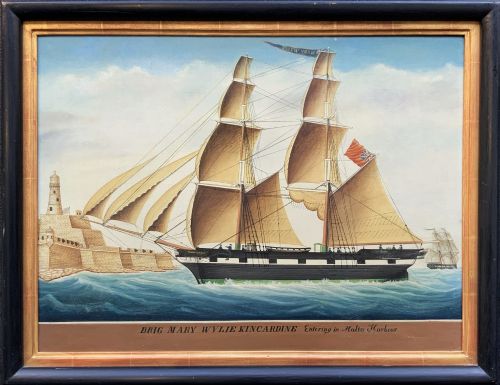
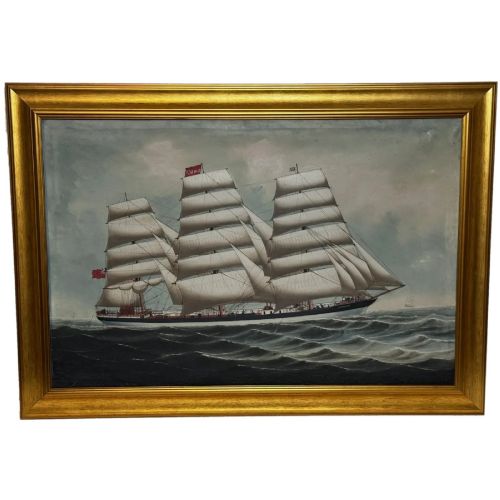
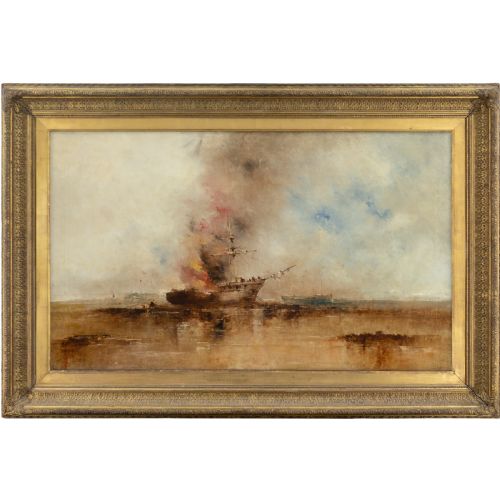
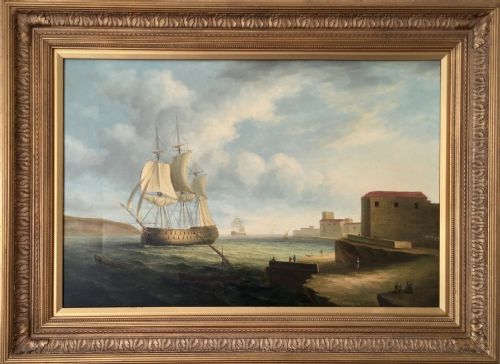
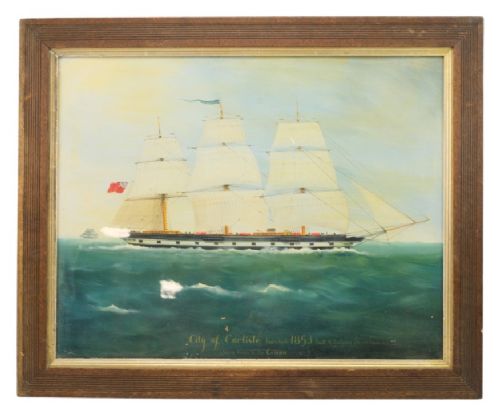
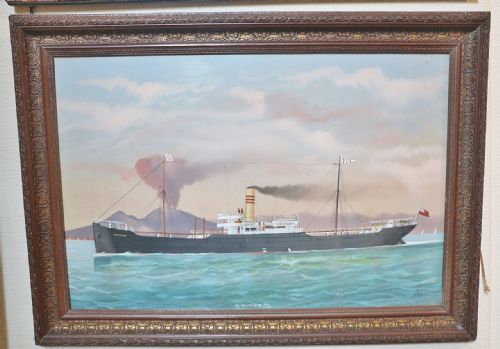
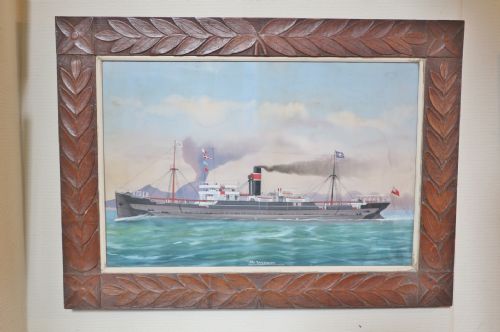
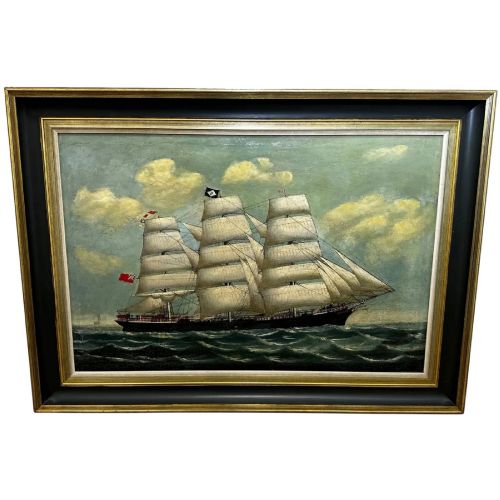
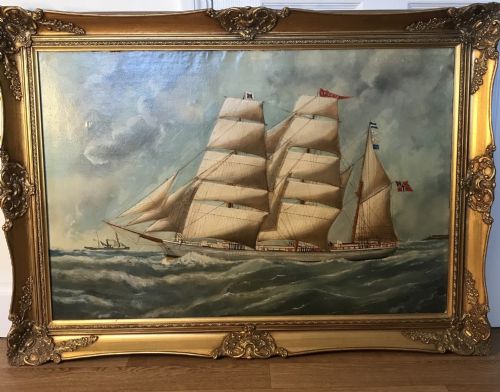
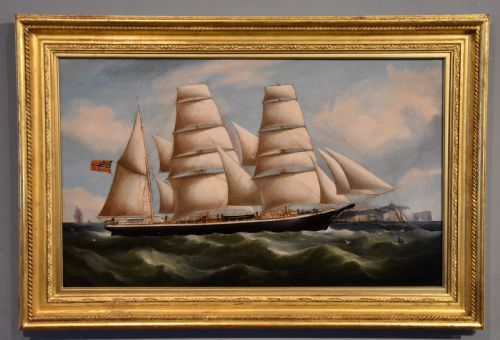
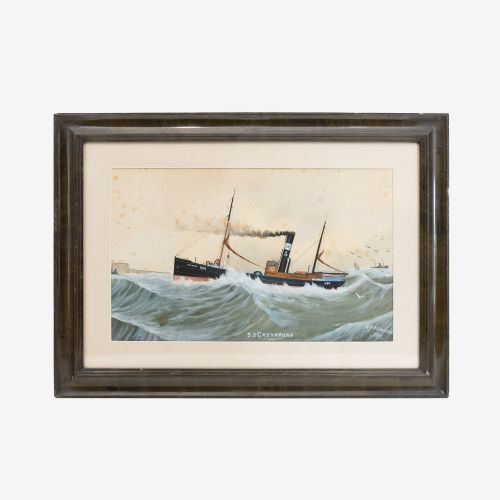
Antique ship portrait art depicts named vessels, ranging from mid-nineteenth-century barques to early twentieth-century steamships and naval cruisers. These pieces record specific maritime history, documenting named ships such as the City of Carlisle or the clipper ship Thermopylae.
The selections on this page span the Victorian and Edwardian periods, stretching from the mid-nineteenth century through the early decades of the twentieth century. Common formats include framed oil paintings on canvas or panel, alongside watercolours, gouache, and period photographs housed in wooden frames.
Materials and Techniques
Artists utilise oil paint on canvas or wooden panel to record fine details of rigging, hulls, and turbulent waters. Works on paper often combine watercolour and gouache to capture coastal light and atmospheric skies.
Framing materials commonly include original wood and giltwood surrounds that protect the paper, canvas, or panel. Historic photographs use card mounted within traditional oak frames.
Antique Ship Portrait Art Retail Price Guide 2026
Typical asking prices for ship portrait art among the pieces listed under this phrase on Sellingantiques today, from the lower quarter to the upper quarter. They describe what is for sale here now, not the wider market.
Sailors occasionally commissioned sentimental paintings as tributes to their shipmates and vessels, preserving personal naval histories alongside grand naval carriers.
Assessing Quality and Execution
Quality rests upon the precision of the vessel's rigging and hull proportions, as well as the artist's ability to render water, whether in heavy seas or calm harbour waters. Named vessels with clear historical documentation or attribution to known marine artists command greater attention.
The integrity of the surface materials, including the preservation of the original oil paint, watercolour pigments, or period framing, shapes the overall character of the piece.
Reginald Arthur Borstel·Lai Fong·Richard B. Spencer·Alexander Harwood·Vincenzo D’Esposito·Joseph Heard·Samuel John Milton Brown·Johan Jens Neumann
The Antique Ship Portrait Art Glossary
- Pierhead painting
- A record of a merchant vessel, typically commissioned by a captain or shipowner, executed while the ship lay in port.
- Barque
- A sailing vessel with three or more masts, where the aft mast is rigged fore-and-aft and the others are square-rigged.
- Gouache
- An opaque water-based medium that provides solid colour and sharp detail in maritime watercolours.
- Panel
- A rigid wooden support used by artists instead of stretched canvas for oil paintings.
Antique Ship Portrait Art: Frequently Asked Questions
What is an antique ship portrait?
An antique ship portrait is a painting, drawing, or photograph created to record a specific named vessel rather than a generic seascape. These works document naval warships, merchant barques, and ocean liners.
Commissioned by captains, owners, or crew members, these portraits focus closely on the architectural details, rigging, and flags of the individual ship.
How do I date an antique ship painting?
Dating relies on identifying the specific vessel depicted, its operational dates, and the style of the clothing or technology shown on deck. Steamships, ironclads, and sailing barques each correspond to specific technological eras.
Framing materials, canvas types, and artist signatures or inscriptions on the reverse also provide firm chronological markers for the work.
What is a pierhead painting?
A pierhead painting is a specific genre of ship portrait created when a vessel docked in port. These were often sold directly to sailors or shipmasters wanting an accurate record of their vessel.
Such works prioritise strict accuracy in the depiction of the ship's profile, sails, and signal flags over artistic interpretation of the surrounding seascape.
How should I display antique marine art?
Antique marine art should be hung away from direct sunlight and steady sources of heat to protect oil paint, watercolours, and antique wooden frames. Maintaining stable indoor humidity prevents canvas slackening and wood cracking.
Original frames benefit from dusting with a soft dry cloth without applying modern cleaning sprays or polishes.