

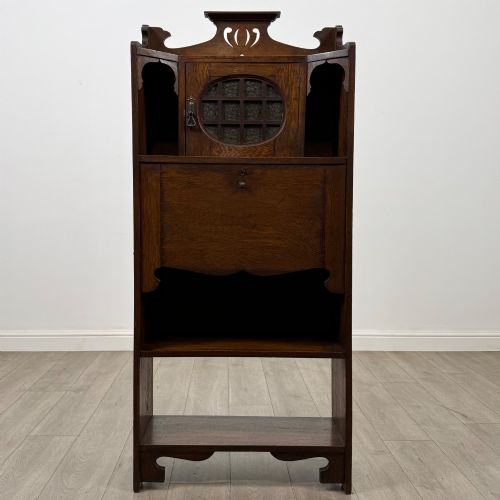
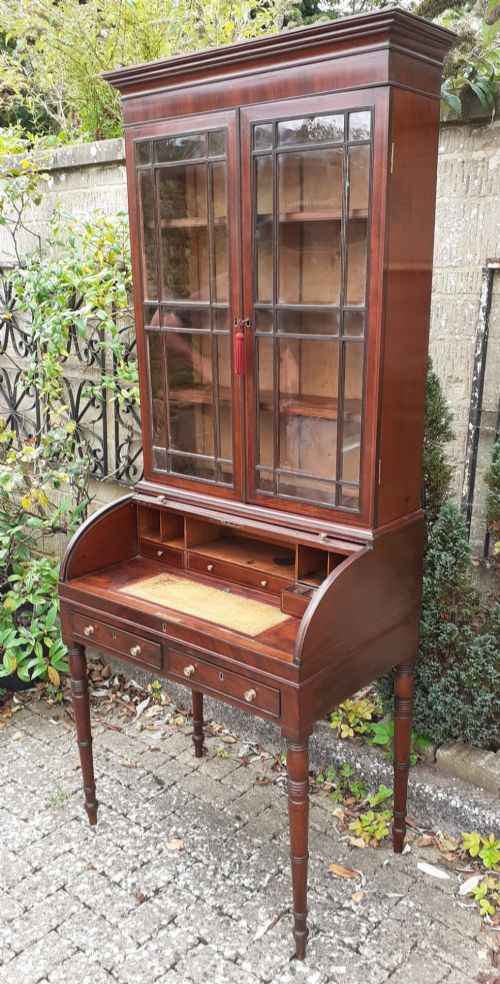
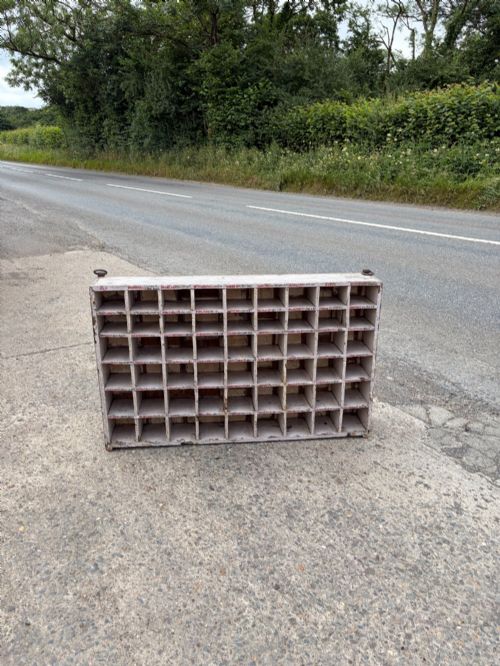
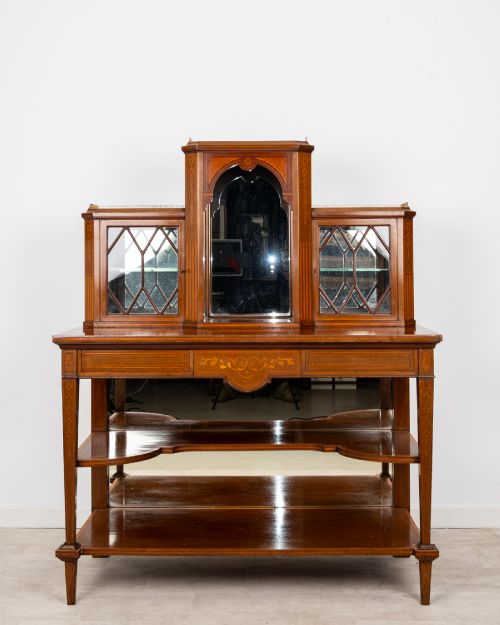



Antique Shelving Desk
These antique shelving desk pieces combine a writing surface with integrated storage for papers and books, offering practical utility and period character.
Antique Shelving Desk
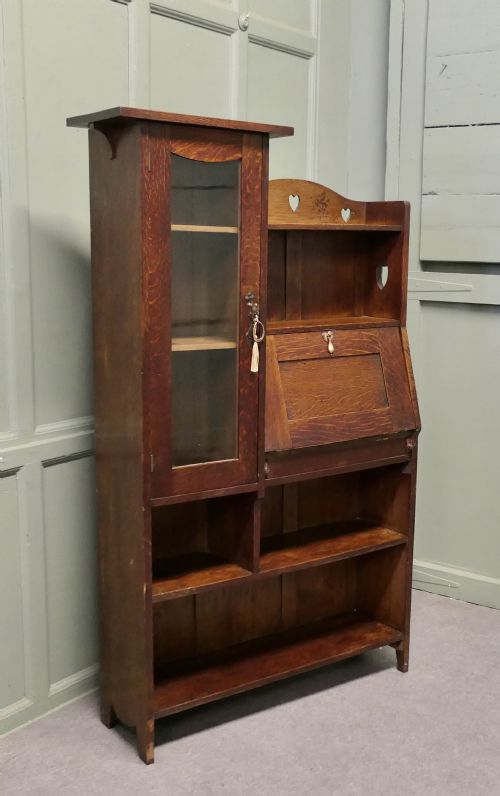
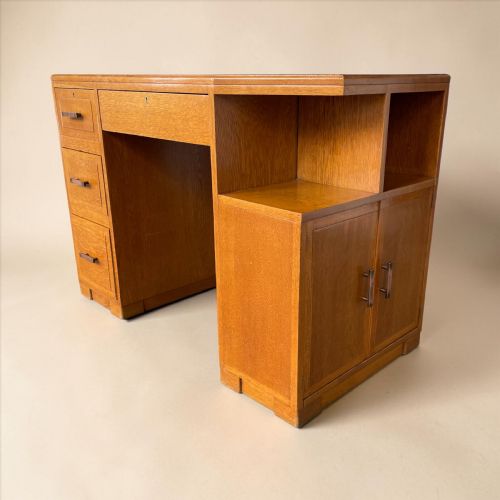
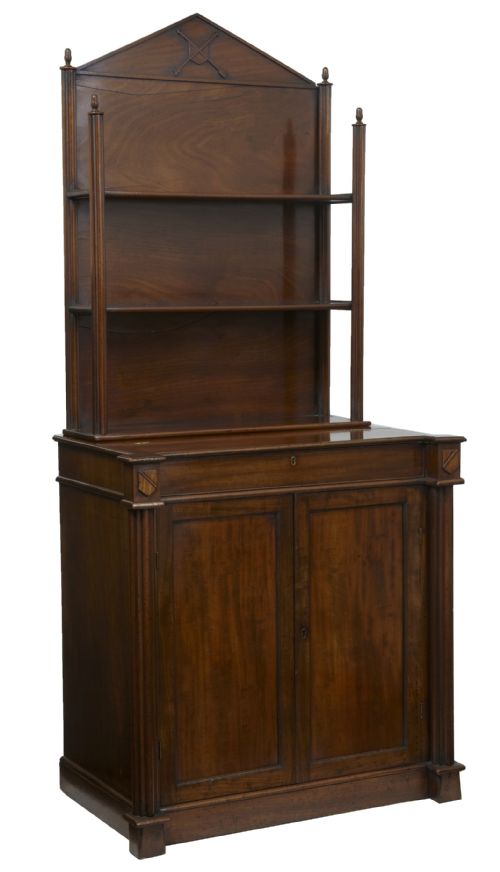
An antique shelving desk brings together workspace and vertical storage, uniting writing surfaces with integrated bookcases, pigeon holes, or cabinet structures. These pieces serve domestic and study environments alike, providing dedicated space for correspondence and volume storage within a single footprint.
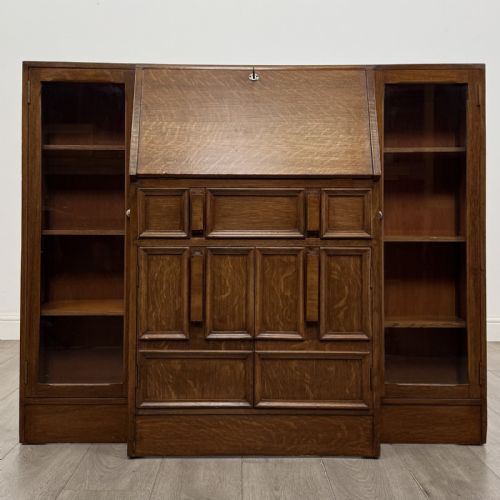
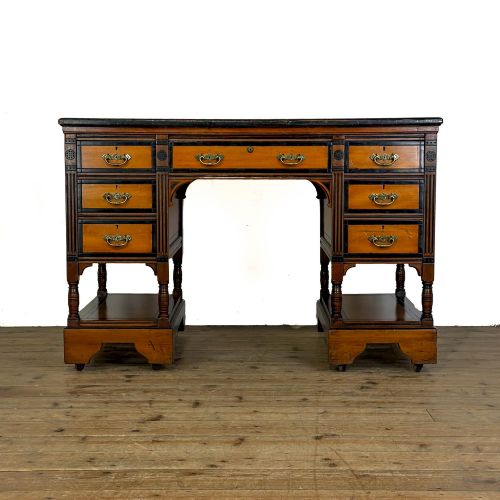
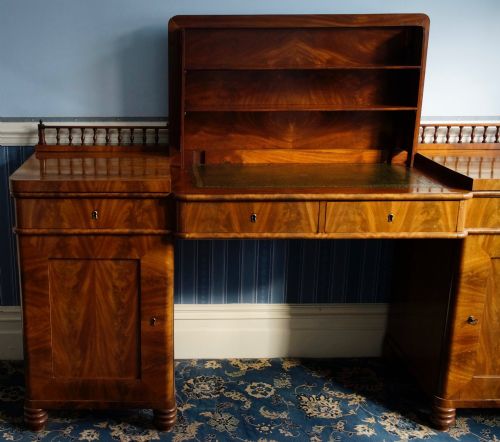
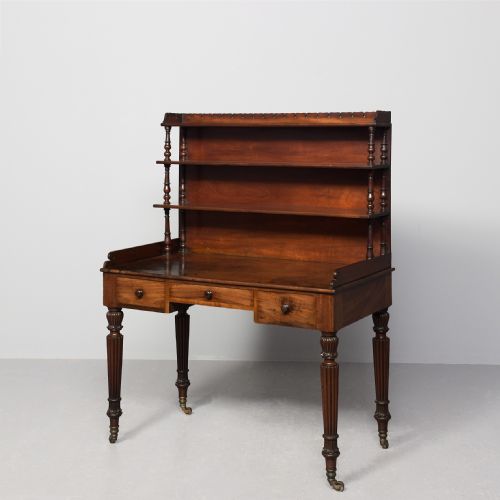
The selection on this page encompasses varied configurations from multiple eras, ranging from compact student bureaux to expansive partners desks with associated shelving. Mahogany and oak dominate the construction materials, spanning Georgian, Victorian, and Edwardian periods.
Buyers frequently encounter bureau bookcases, bonheur du jour writing desks, and tabletop shelf accessories amongst the options. Each variant addresses the need for organised desk space combined with display or storage shelving in distinct ways.
Materials and construction methods
Cabinetmakers utilised dense hardwoods like mahogany, burr walnut, and oak to construct these pieces, often applying satinwood inlay or brass hardware for visual contrast. Secondary timbers such as pine appear in interior drawer linings and backing boards.
Construction techniques involve traditional dovetailing for drawers, mortise and tenon joinery for structural stability, and hand-carved decorative elements. Glazed cabinet doors utilise individual wooden glazing bars to hold glass panes securely in place.
Antique Shelving Desk Retail Price Guide 2026
Typical asking prices for shelving desk among the pieces listed under this phrase on Sellingantiques today, from the lower quarter to the upper quarter. They describe what is for sale here now, not the wider market.
The listings on this page span the Georgian, Victorian, Edwardian, and 1930s periods, incorporating materials such as mahogany, oak, burr walnut, brass, and glass.
Distinguishing quality across pieces
The standard of timber selection and figure sets superior examples apart, particularly when cabinetmakers utilised burr walnut, figured mahogany, or quarter-sawn oak. The integration of secondary woods and the precision of inlaid details reveal the maker's underlying skill.
Structural integrity and the retention of original hardware, including brass handles, locks, and ormolu mounts, influence the overall character of the piece. Superior examples exhibit smooth operation in drop-front writing surfaces, pigeon holes, and internal drawers.
James Mein of Kelso·Tudor and Burrey Shrewsbury·Gillows
The Antique Shelving Desk Glossary
- Bureau
- A sloping front desk that opens to reveal a writing surface and internal pigeon holes or small drawers. This form often sits atop a chest of drawers or a cabinet base.
- Bonheur du jour
- A light lady's writing desk featuring a small set of shelves, drawers, or a cabinet on the upper section. Originating in France, these pieces gained popularity during the Victorian and Edwardian periods.
- Partners desk
- A large double-sided desk designed for two people to work opposite one another, featuring drawers and cupboards on both faces. These pieces typically incorporate substantial pedestals and integrated writing surfaces.
- Whatnot
- An open set of freestanding shelves used for displaying books or decorative objects, sometimes combined with a writing surface or music stand. The form developed during the Georgian period and remained popular through the Victorian era.
- Cartonnier
- A desktop cabinet or tier of pigeon holes designed to hold papers, files, and documents. These accessories often feature decorative mounts or leather-trimmed compartments.
Antique Shelving Desk: Frequently Asked Questions
What is an antique shelving desk?
An antique shelving desk is a piece of furniture that combines a flat writing surface with vertical storage such as shelves, pigeon holes, or a bookcase. These items were designed to keep writing materials and reference volumes close at hand.
They range from compact tabletop accessories to large bureau bookcases and partners desks, drawing on cabinet-making traditions from the Georgian, Victorian, and Edwardian eras.
How do I identify the period of a desk?
Period identification relies on observing the primary timbers, hardware styles, and construction techniques used in the piece. Georgian pieces often feature solid mahogany and restrained lines, while Victorian examples frequently showcase burr walnut or heavier carved ornamentation.
Edwardian items often display lighter satinwood inlay and simpler arts and crafts influences. Checking internal drawer construction and locking mechanisms also provides clues to the date of manufacture.
Where were these desks typically used?
These pieces served as functional furniture in libraries, studies, drawing rooms, and offices of substantial homes. Larger partners desks accommodated two working individuals in a shared study, whilst smaller bonheur du jour desks suited private sitting rooms.
Tabletop shelving accessories and pigeon hole cabinets sat atop existing tables or credenzas to organise correspondence and document storage in working quarters.
How do I care for wood and leather surfaces?
Maintaining wooden surfaces involves regular dusting with a soft cloth and occasional application of appropriate furniture wax to nourish the grain. Direct sunlight and sudden changes in room temperature should be avoided to prevent timber splitting.
Desks featuring leather writing inserts benefit from specialised leather dressings to keep the material supple and prevent cracking over time.