

Antique Shell Plate
An antique shell plate brings the organic curves of the sea to the table, fashioned from porcelain, silver plate or opalescent glass.
Antique Shell Plate
When searching for an antique shell plate, collectors encounter vessels moulded, pressed or painted in the natural likeness of marine fauna. The pieces range from porcelain dessert dishes of the eighteenth and nineteenth centuries to silver-plated novelties and opalescent glassware of the twentieth century.
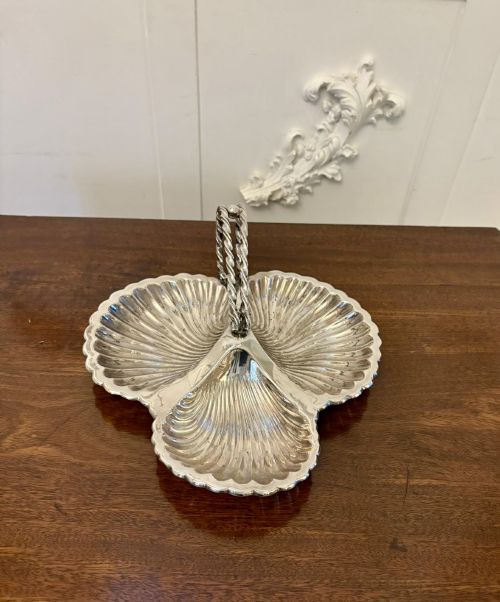
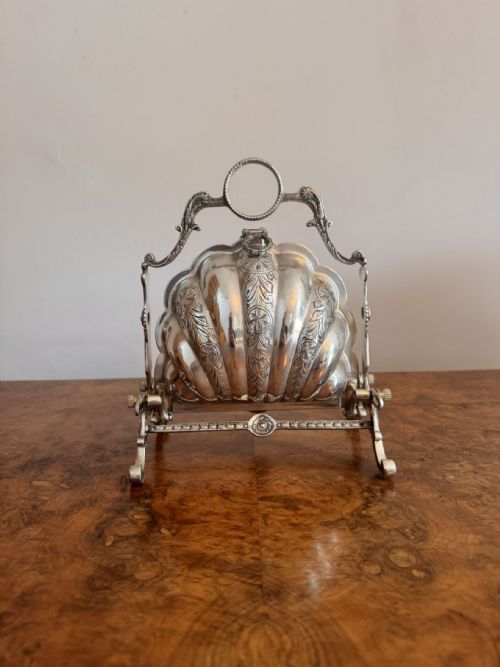
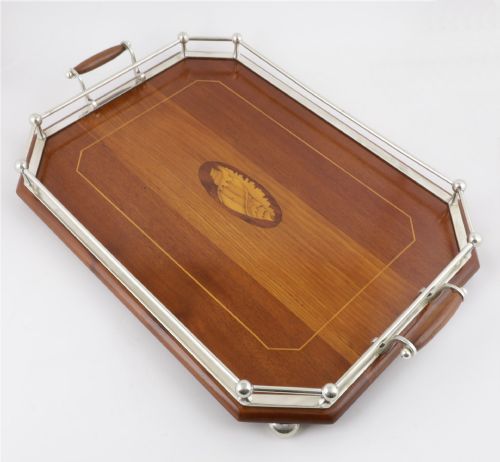
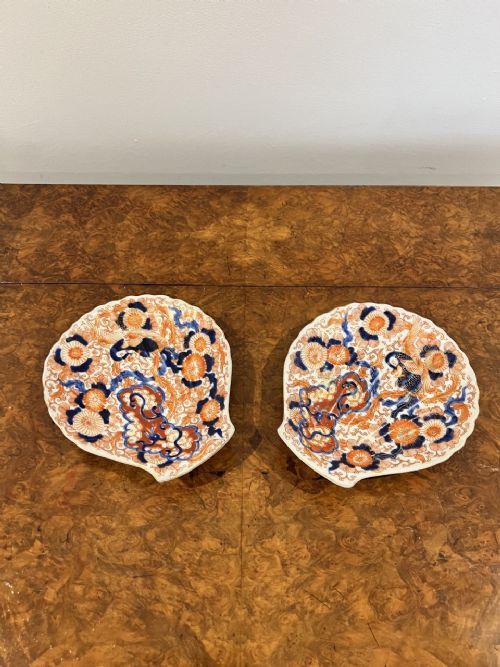
The selection includes Japanese Imari porcelain dishes, English creamware and pearlware with moulded shell edges, and silver-plated biscuit boxes and trays decorated with shell motifs. These items served functional roles at the dining table, from holding sweetmeats and desserts to warming spoons and biscuits.
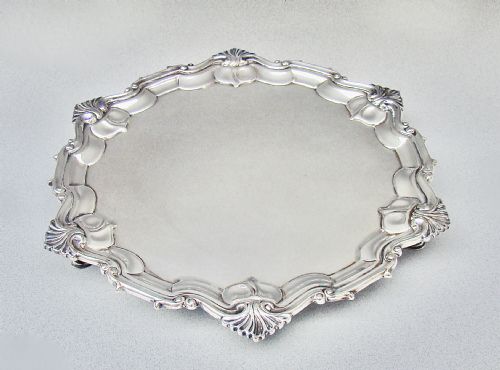
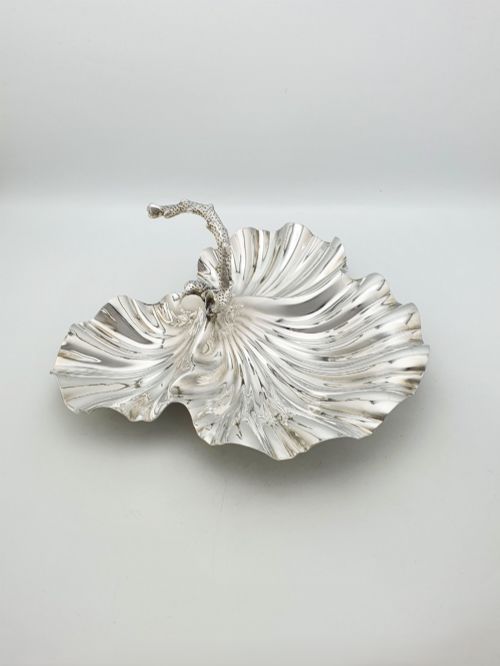
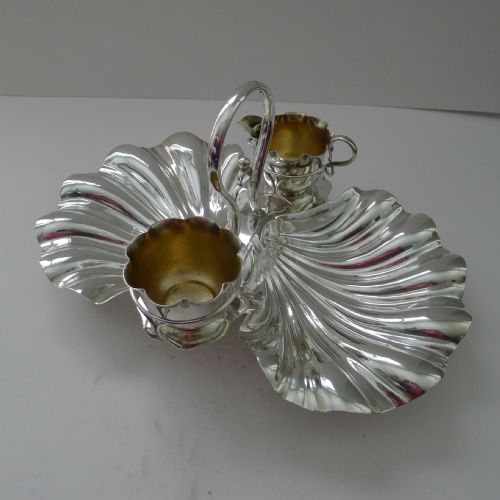
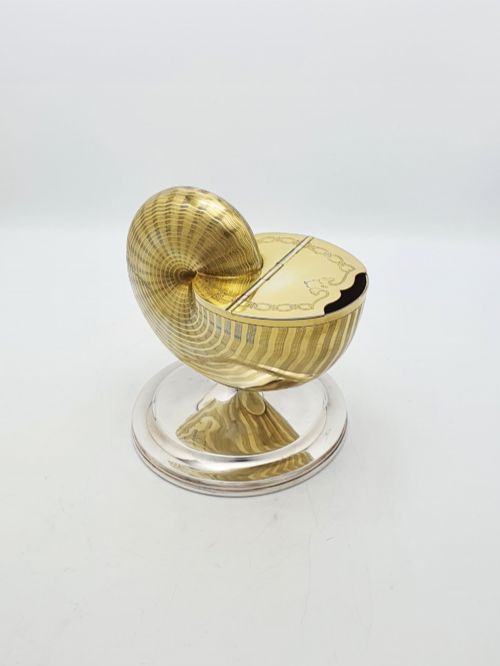
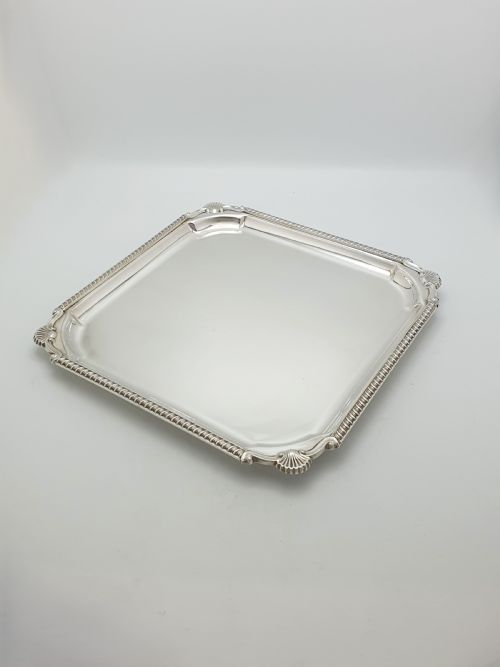
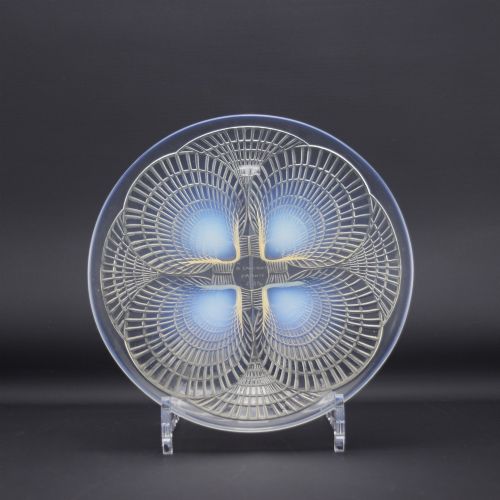
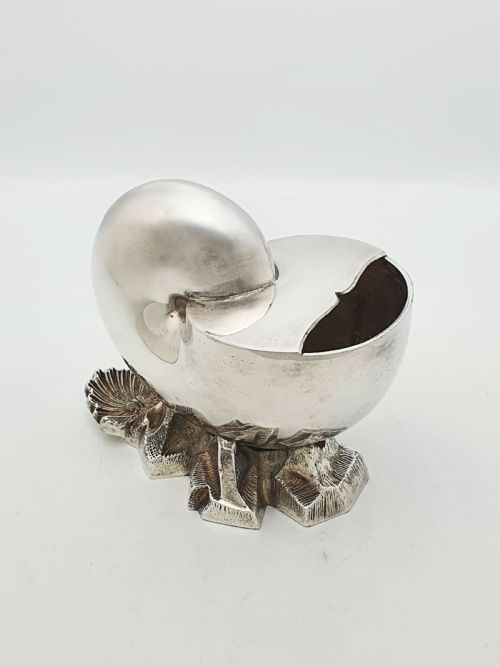
Victorian naturalism heavily influenced the production of marine-themed tableware, leading to silver-plated nautilus shell spoon warmers and coral-handled dishes. Art Deco examples bring cleaner geometric borders to silver trays, while French glassmakers utilised press-moulding to capture opalescent shell textures.
How they were made
Porcelain and earthenware pieces were shaped in moulds or thrown on wheels before receiving hand-painted enamels, gilding or underglaze blue transfers. Factories such as Worcester and Derby applied meticulous brushwork to depict natural fruits, flowers and Kakiemon patterns onto the undulating surfaces.
Silver-plated items relied on depositing silver onto a base metal such as copper, nickel silver or EPNS, often shaped through stamping, casting or electroplating. Artisans chased intricate coral, dolphin and nautilus details into the metal to mimic organic textures.
Glass plates were formed using press-moulding techniques, where molten glass was forced into complex metallic moulds to create raised opalescent shell motifs. This method allowed makers to produce consistent patterns with pearlescent light play across the surface.
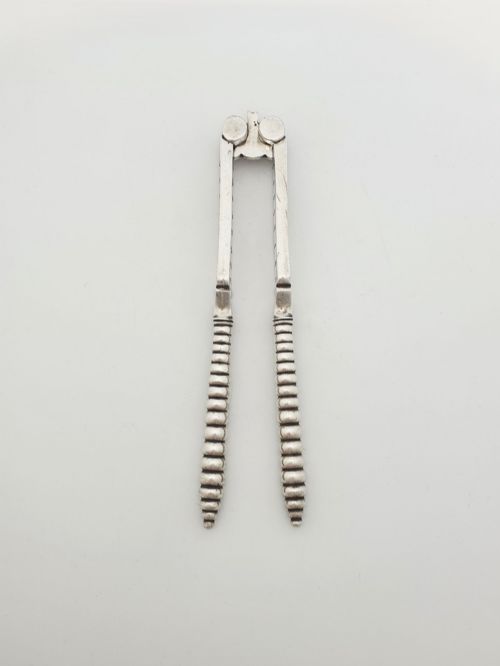
Victorian diners required specialist silver lobster crackers and heated nautilus shells just to get through tea and dessert.
What varies in quality
The distinction between standard utility wares and superior pieces rests on the crispness of the moulding and the execution of hand-painted or chased details. Finer ceramic specimens display delicate, unblurred enamel painting and precise glaze coverage, while lesser items show heavier, more formulaic decoration.
In silver-plated items, the weight of the base metal and the preservation of the original plating layer dictate the calibre of the object. Master silversmiths executed naturalistic coral handles and shell feet with anatomical precision, whereas mass-produced alternatives often lack depth and definition in the casting.
William Hutton & Sons·Daniel Arter·Rene Lalique·Barr, Flight and Barr·WMF·Mappin & Webb·Fenton Brothers·Atkin Brothers·Walker & Hall
The Antique Shell Plate Glossary
- Comport
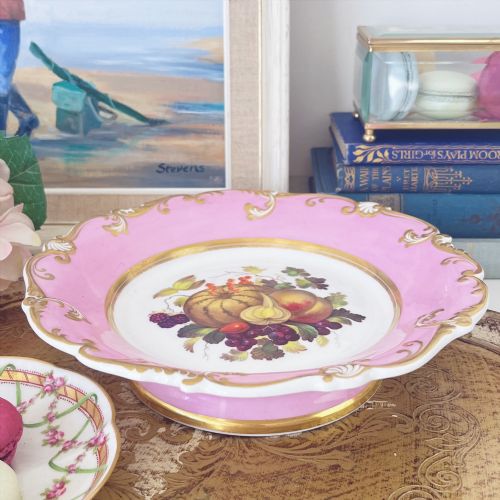
- A raised dish or bowl used for serving fruit or sweets at the table. These pedestal pieces often featured moulded shell edges.
- Biscuit box
- A lidded container designed for storing dry biscuits or crackers. Victorian versions frequently incorporated hinged shell-shaped compartments.
- Spoon warmer
- A Victorian table novelty shaped like a nautilus or conch shell to hold hot water and warm silver spoons before dessert. The openings allowed handles to project outwards.
- Opalescent glass
- Glass that displays milky, pearlescent colour shifts when viewed under different lights. This technique was notably utilised by makers for pressed shell plates.
- EPNS
- Electroplated nickel silver, a common base metal used for silver-plated tableware from the mid-nineteenth century onwards. It provided a durable foundation for complex metal casting.
Antique Shell Plate: Frequently Asked Questions
What were shell plates used for?
These dishes served specialised functions in historic dining, primarily holding sweetmeats, desserts or biscuits during formal meals. Ceramic versions formed part of larger dessert services, while silver-plated variants often doubled as decorative serving pieces.
Over time, their decorative marine forms made them popular for display on sideboards and tables as well as practical use.
How do I date a silver plated shell dish?
Dating relies on manufacturer marks, registry numbers stamped into the metal, and the changing styles of silver plating technology. Victorian pieces frequently feature heavy cast ornamentation and naturalistic coral handles, while Art Deco items adopt more streamlined borders.
Examining the base metal beneath any worn plating also helps establish whether the piece originates from the Old Sheffield period or the later electroplate era.
Are opalescent shell plates fragile?
Moulded glass pieces require careful handling to avoid chipping along the raised rims and delicate shell ridges. While robust enough for gentle domestic use, they benefit from hand washing rather than mechanical dishwashers.
Displaying them away from high-traffic table edges protects the pressed glass from accidental knocks.
How do I identify Japanese Imari shell plates?
These imported pieces are characterised by a distinct palette of iron-red, underglaze blue, and gilt detailing across a porcelain body. The plate is moulded directly into the curved contours of a clam or scallop shell rather than simply painted with a flat marine motif.
Their presence in European collections reflects long-standing trade routes and a historical fascination with natural forms combined with Asian ceramics.