






Antique Serving Glass
Antique serving glass brings together decanters, trays and bowls designed for hospitality, offering tactile weight and historic craftsmanship to the modern table.
Antique Serving Glass
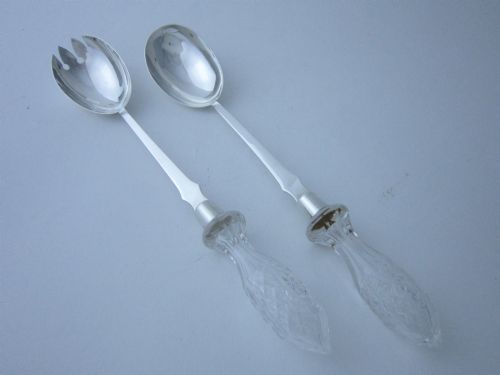
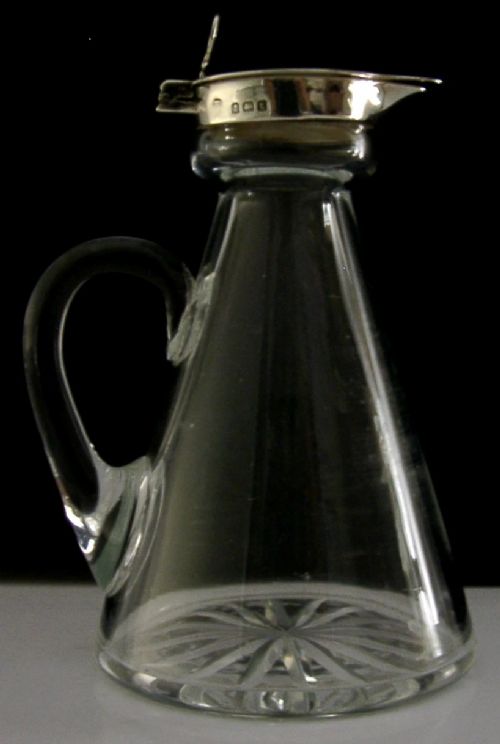
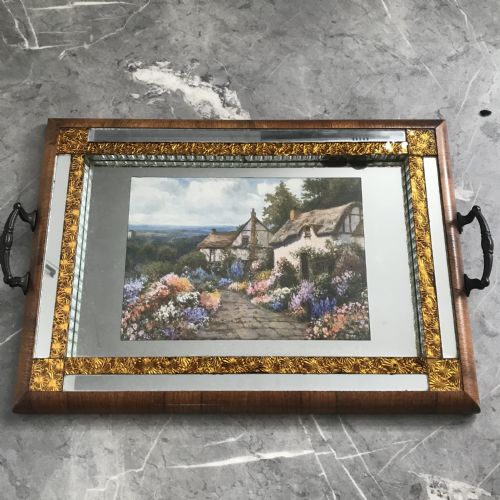
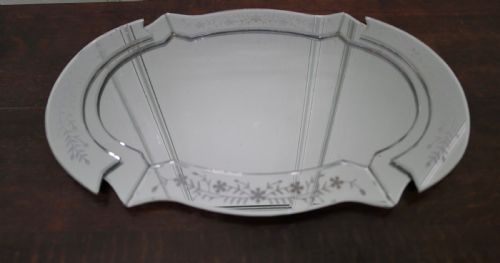
Forms vary from small cordial ewers with silver plate to large punch bowl sets and cartographer's trays incorporating European maps under glass. Whether seeking an Edwardian cut glass dish or a Venetian mirror tray, collectors find objects that combine utility with decorative presence.
How they were made
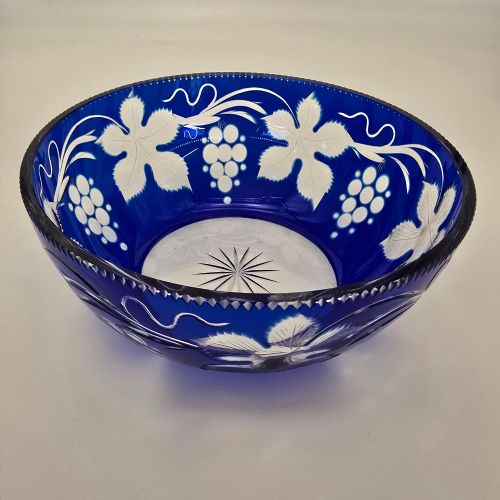
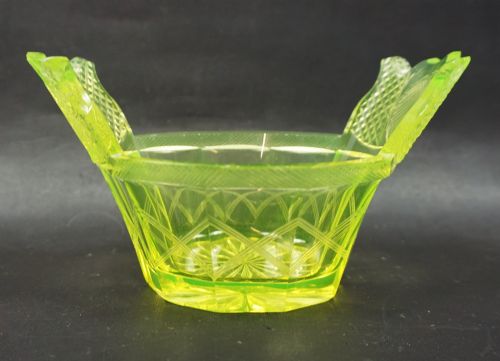
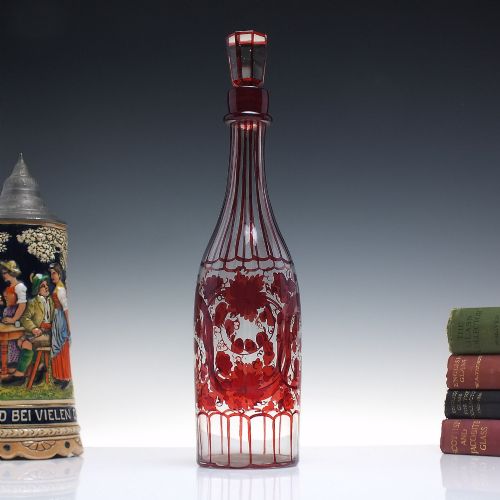
Glass production relies on the manipulation of molten material through blowing, moulding and cutting, utilising lead crystal or soda glass depending on the period. Artisans achieved decoration through wheel-engraving, acid-etching or hand-painting, as seen on cobalt blue serving bottles and uranium glass dishes.
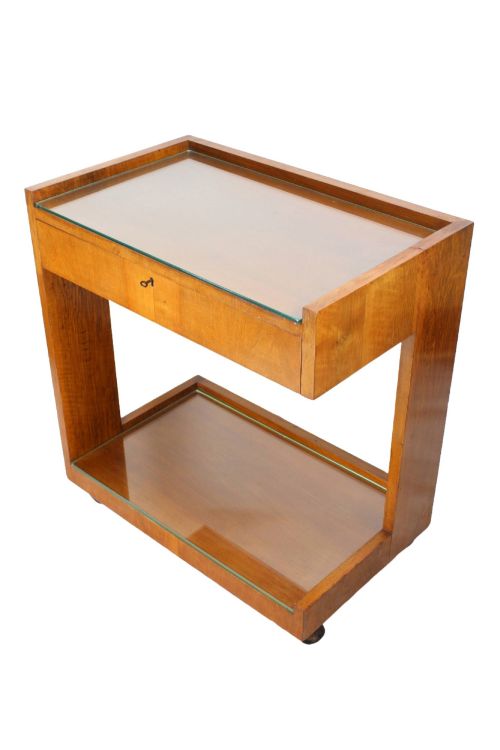
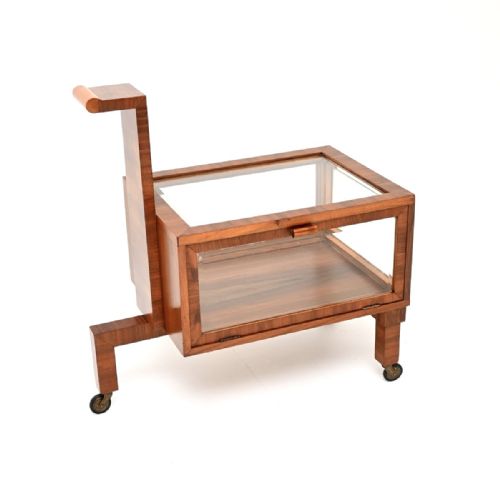
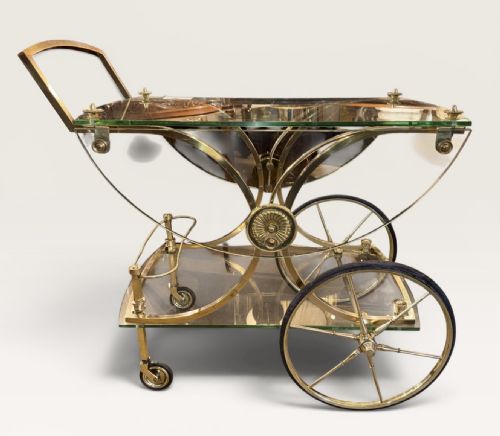
Many glass components are integrated with supportive mounts and frames made from sterling silver, silver plate, brass, ormolu, walnut and mahogany. These mixed-media items combine glass vessels with fitted metal hardware or mirrored bases, particularly in serving trays and drinks trolleys from the Edwardian and Art Deco eras.
Antique Serving Glass Retail Price Guide 2026
Typical asking prices for serving glass among the pieces listed under this phrase on Sellingantiques today, from the lower quarter to the upper quarter. They describe what is for sale here now, not the wider market.
Listings feature glass serving items from the Georgian, Victorian and Edwardian eras, alongside Art Deco pieces incorporating walnut, brass and mirror.
What varies in quality
The standard of cutting and engraving dictates much of the distinction in glassware, separating heavy, crisp wheel-cut facets from softer, moulded alternatives. Superior pieces display deep, sharp geometric or naturalistic motifs that catch the light cleanly.
Material integration also defines quality, where the weight of the lead crystal, the clarity of the mirror glass, and the solidity of silver plate or brass mounts create a cohesive object. Finer examples maintain original mountings and undamaged rims, preserving the integrity of both the glass body and its supportive framework.
Maison Bagues·Rene Lalique·WMF
The Antique Serving Glass Glossary
- Lead crystal
- Glass containing lead oxide, which increases the weight, refractive index and clarity of the material. This composition allows for deeper and sharper cutting.
- Etagere
- A set of open shelves or tiers used for displaying small objects or serving refreshments. These frequently appear in brass and glass combinations from the early twentieth century.
- Ormolu
- Gilded bronze or brass mounts applied to decorative objects and serving pieces. The technique adds metallic contrast to glass and porcelain vessels.
- Rummer
- A large, heavy-stemmed drinking glass used for wine or ale. Examples often feature engraved decoration relating to agriculture or social toasts.
- Noggin
- A small mug or vessel for holding spirits, frequently fitted with a sterling silver rim. These miniature decanters were popular in early twentieth-century barware.
Antique Serving Glass: Frequently Asked Questions
How do I clean antique glass?
Wash glass items by hand in warm water using mild soap, avoiding harsh scrubbing brushes that might scratch the surface. Dry them immediately with a lint-free cloth to prevent water spots.
Take extra care with pieces featuring silver plate, brass mounts or hand-painted details, keeping moisture away from metal joins and adhesives.
Can I use these items daily?
Many serving dishes, jugs and trays remain robust enough for regular use at the dining table. Hand-washing is essential to protect historical materials from modern dishwashers.
Consider the fragility of delicate handles, etched surfaces and mounted metals when serving heavier foods or drinks.
How do I date cut glass?
Georgian and early Victorian pieces often feature hand-polished facets and heavier pontil marks on the base where the glassblower's iron was detached. Later Victorian and Edwardian items display machine-cut precision with sharper edges and standardised patterns.
Accompanying metal mounts, such as silver hallmarks or silver-plated frames, also provide reliable date markers.
What is Bohemian glass?
Bohemian glass originates from the historic regions of Bohemia, now part of the Czech Republic, known for centuries of master glassmaking. The region produced distinctive coloured glass, including deep cobalt blue, uranium green and layered cased glass.
Craftsmen in these workshops excelled in both vibrant coloration and intricate wheel-cut decoration.