



Antique Serving Dresser
An antique serving dresser brings centuries of dining tradition into the home, offering deep storage and sturdy preparation surfaces.
Antique Serving Dresser
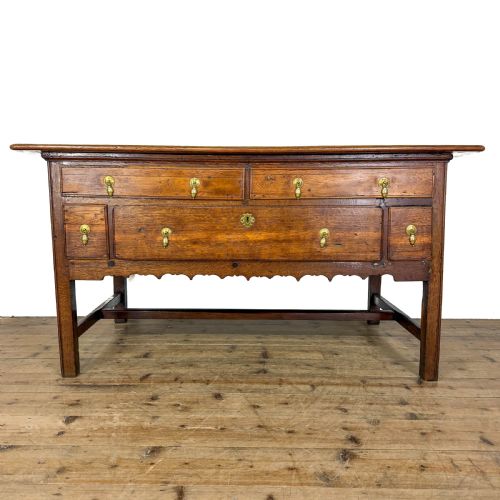
An antique serving dresser provides a solid wooden surface and drawer capacity for dining rooms and kitchens, combining utility with period character. Buyers seeking an antique serving dresser will encounter numerous examples dating from the seventeenth century through to the Edwardian era.
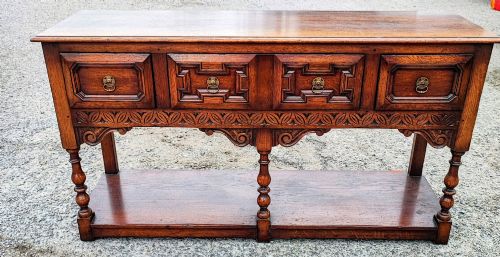
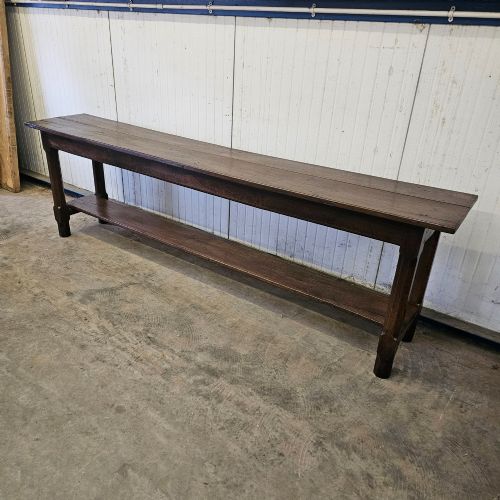
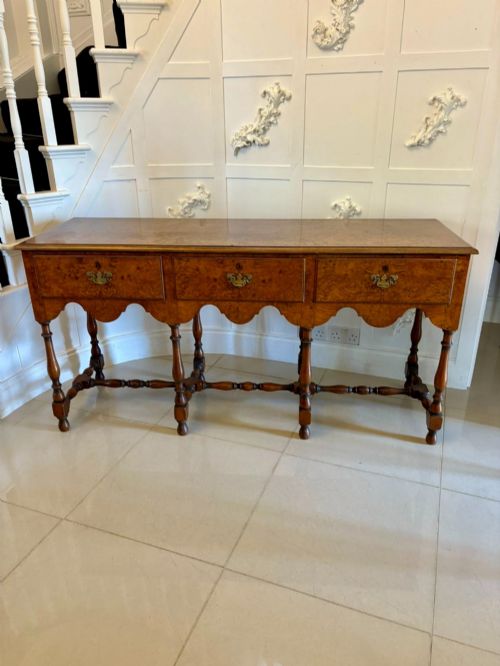
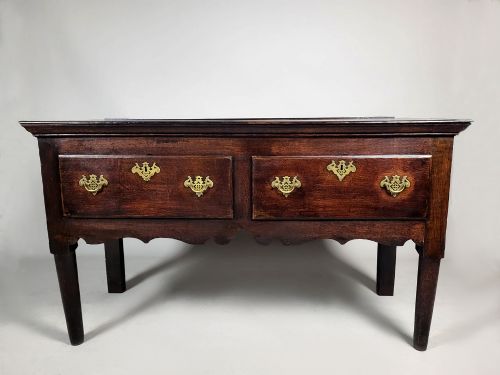
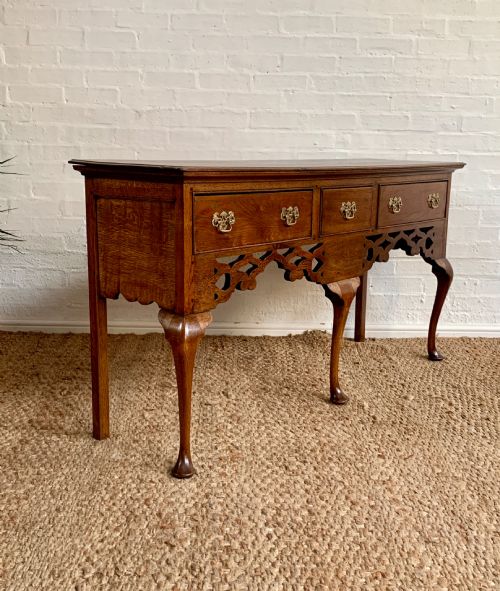
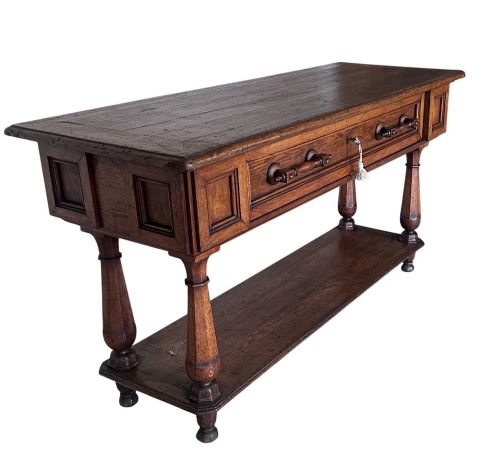
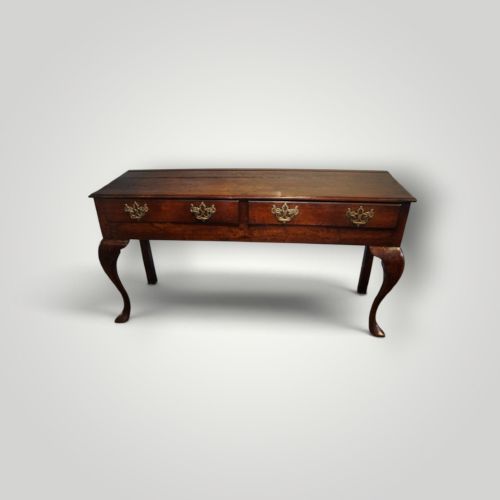
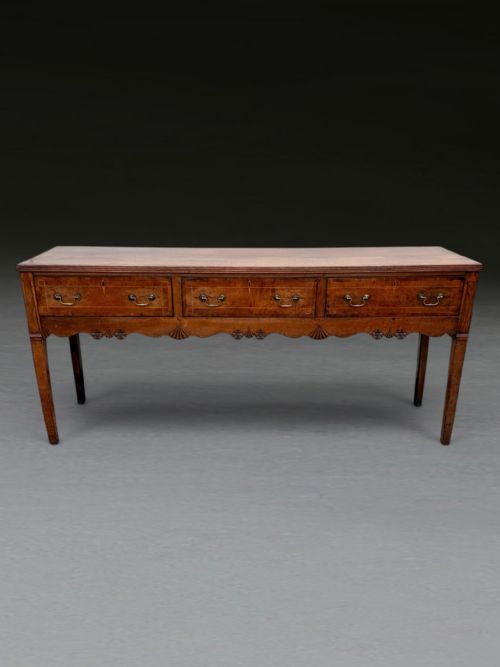
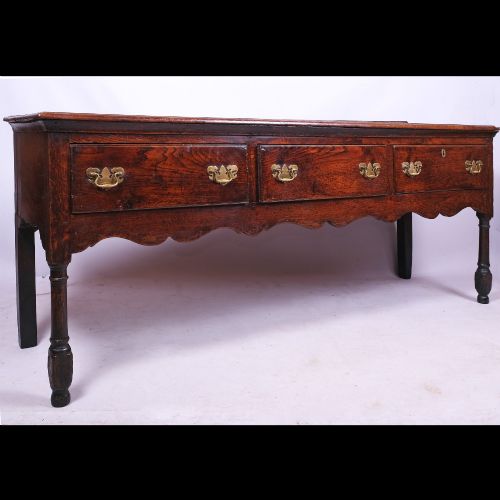
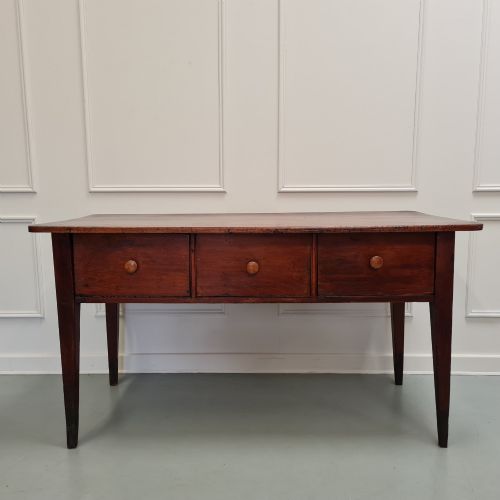
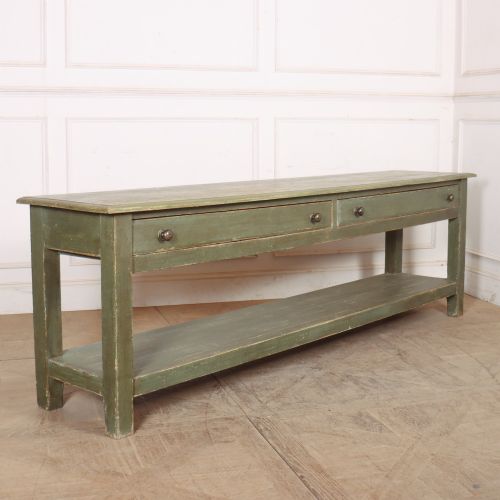
The most common form on this page is the oak dresser base or serving table, often featuring multiple drawers and potboards. These pieces originate primarily from English and French country workshops, spanning Georgian, Victorian, and earlier periods.
Makers and craftsmen built these items primarily for domestic food preparation and serving. Over time, their robust timber construction has ensured survival across centuries of family life.
How they were made
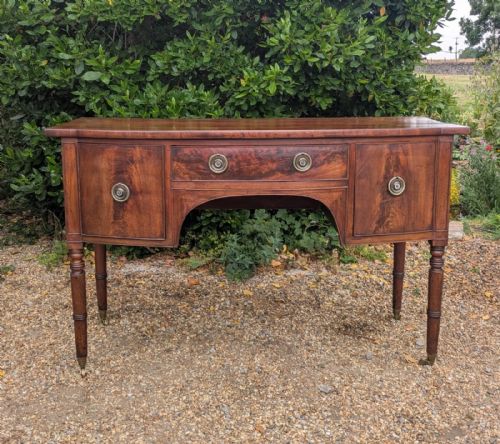
Cabinet makers relied heavily on solid oak, walnut, and mahogany, selecting timber for strength and grain pattern. Secondary woods such as pine and fruitwood appeared in carcases and internal drawer linings.
Construction techniques involved traditional joinery, including hand-cut dovetails for drawers and tenon joints for frames. Brass handles, escutcheons, and original brasses completed the hardware on Georgian and Regency pieces.
Antique Serving Dresser Retail Price Guide 2026
Typical asking prices for serving dresser among the pieces listed under this phrase on Sellingantiques today, from the lower quarter to the upper quarter. They describe what is for sale here now, not the wider market.
Christopher Dresser was named after a town, not a piece of furniture, yet his metalwork designs share space here with actual tables.
What varies in quality
The degree of original surface patina and timber preservation distinguishes exceptional examples from standard ones. Pieces retaining their original brass hardware and untouched drawer linings hold greater historical integrity.
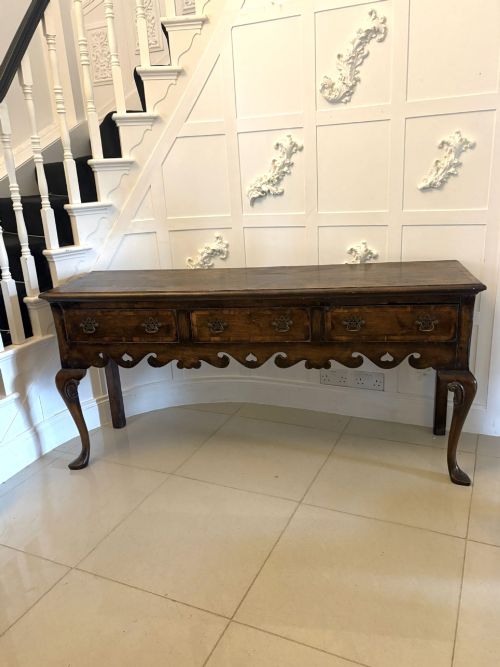
Carving depth and proportion dictate the refinement of a piece, separating provincial items from sophisticated urban commissions. Crisp cabriole legs, inlaid detail, and clean drawer operation indicate superior craftsmanship.
Christopher Dresser·Hukin and Heath·Roberts and Belk·Minton
The Antique Serving Dresser Glossary
- Potboard
- An open lower shelf fitted beneath a dresser base, traditionally used for storing pots and pans. This platform sits raised on short legs or feet above the floor.
- Dresser base
- A low sideboard or table equipped with drawers across the upper section, functioning independently without upper plate racks. These low forms served food preparation and dining service.
- Cabriole leg
- A furniture leg that curves out gracefully and tapers down to a foot, inspired by animal limbs. This form appears frequently on Georgian oak furniture.
- Bow front
- A convex, curved front design popular on Regency and later sideboards. This shaping softens linear cabinetry and adds visual depth.
- Inlay
- A technique where pieces of contrasting wood or material are fitted into depressions within a solid timber surface to form decorative patterns. Edwardian examples often feature delicate stringing and inlaid motifs.
Antique Serving Dresser: Frequently Asked Questions
What is an antique serving dresser?
An antique serving dresser is a heavy wooden furniture item designed for dining rooms, featuring a flat top surface for food service and drawers underneath for cutlery and linen.
These pieces evolved across centuries, ranging from seventeenth-century low oak tables to refined mahogany and walnut sideboards from the Georgian and Victorian eras.
How were serving dressers used?
Households utilised these heavy tables to plate meals, carve joints of meat, and display fine ceramic dishes before bringing food to the dining table.
The drawers and lower potboards provided practical storage for heavy kitchenware, serving platters, and everyday dining accessories.
How do I date an oak dresser base?
Dating relies on examining construction methods, timber choice, and hardware styles. Early seventeenth and eighteenth-century pieces display hand-cut joinery and pegged tenons.
Later Victorian and Edwardian examples incorporate machine-sawn elements, different handle styles, and occasional decorative inlays or painted finishes.
Where should I place a dresser in my home?
These versatile items suit dining rooms, kitchens, or large hallways where their surface and storage capacity serve daily life. Their sturdy proportions anchor a room visually.
Ensure placement avoids direct heat sources and strong sunlight to protect the historic timber surfaces and natural wax finishes.