



Antique Serving Cupboards
These antique serving cupboards span centuries of dining room evolution, offering substantial timber storage designed to grace formal homes.
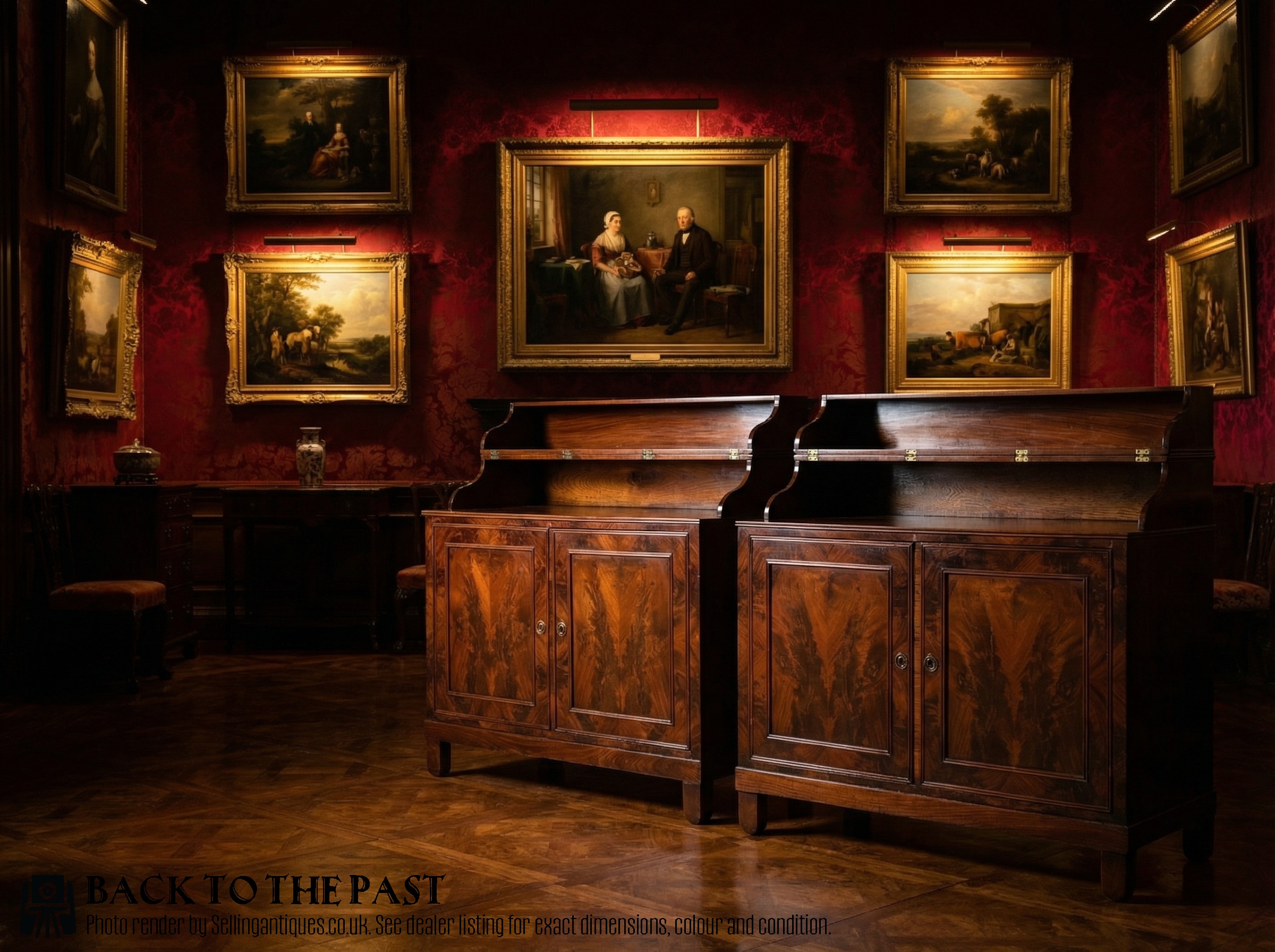
Antique Serving Cupboards
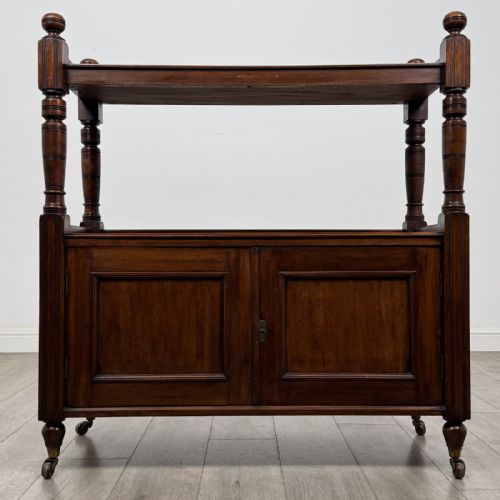
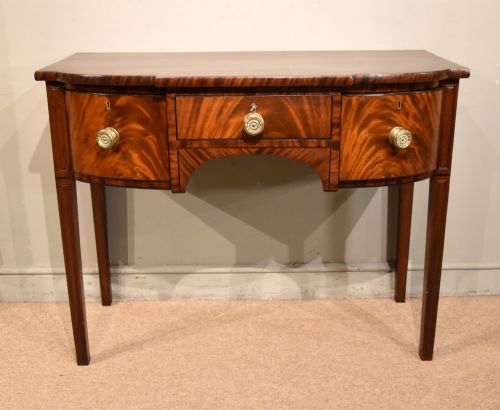
Antique serving cupboards encompass a wide variety of dining room furniture designed for food preparation and storage, including sideboards, buffets, and servers. When exploring antique serving cupboards, buyers encounter forms ranging from Georgian bowfronts to Victorian carved oaks and William IV buffets.
Materials and construction
Cabinetmakers relied heavily on dense hardwoods, employing mahogany, flame mahogany, oak, and pollard oak to build these robust serving pieces. Selected examples incorporate exotic accents like yew wood and ash, complemented by functional brass fittings and metal mounts.
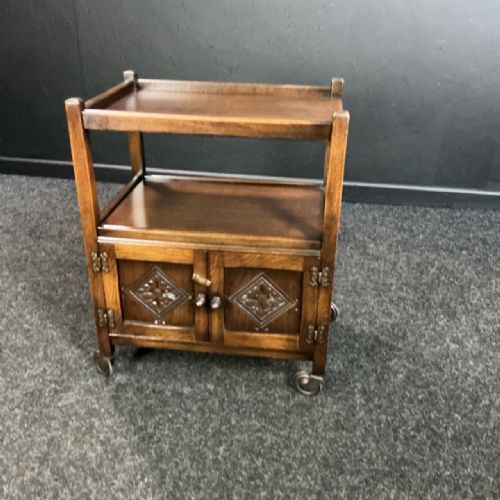
Construction techniques combine traditional joinery with decorative detailing, evident in inlaid veneers, profuse carvings, and distinctive barley twist columns. Structural designs range from bowfront carcases to tiered tea trolleys and brass-bound cabinets.
Antique Serving Cupboards Retail Price Guide 2026
Typical asking prices for serving cupboards among the pieces listed under this phrase on Sellingantiques today, from the lower quarter to the upper quarter. They describe what is for sale here now, not the wider market.
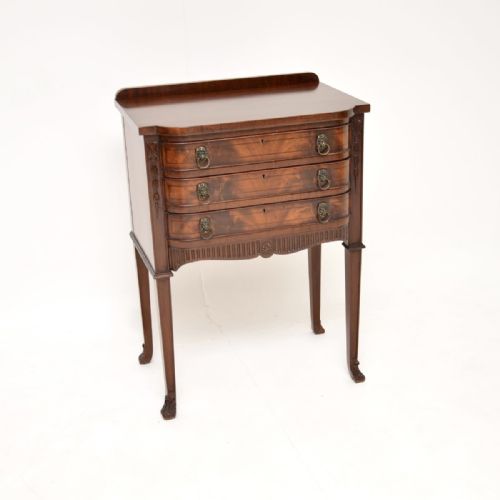
The inventory records diverse forms, ranging from sideboards and chiffoniers to tea trolleys and brass-bound serving cabinets.
Assessing quality in serving furniture
Quality rests in the selection of timber grain, where highly figured flame mahogany or pollard oak elevates a piece above standard domestic woods. The refinement of the cabinetmaker's handwork defines the upper tier, seen in precise string inlay and deep, crisp carving.
Proportion and structural integrity distinguish superior examples, as seen in balanced bowfront profiles and heavy brass binding. The integration of functional hardware with sophisticated revival styles marks the distinction between everyday utility and high-status dining furniture.
The Antique Serving Cupboards Glossary
- Bowfront
- A curved cabinet front that swells outward in the centre, creating a convex profile popular in Georgian design. This shaping requires considerable woodworking skill to achieve smooth alignment.
- Chiffonier
- A low sideboard or cabinet equipped with drawers and shelves, evolving during the 19th century for dining room service. It typically provides enclosed storage beneath a display surface.
- Barley Twist
- A spiral-turned wooden column resembling twisted barley sugar, common in 17th-century furniture and later revival pieces. The motif is cut or turned by hand to create helical ridges.
- Buffet
- A sideboard or serving table intended for holding food and tableware prior to dining. These pieces often feature tiered surfaces or enclosed cupboards beneath the main top.
- Flame Mahogany
- Timber cut from the fork of a mahogany tree to produce a distinctive, flame-like grain pattern. Cabinetmakers prized this veneer for principal display surfaces.
Antique Serving Cupboards: Frequently Asked Questions
How do I date an antique buffet?
Dating relies on examining the primary timber, construction methods, and stylistic revival markers present in the piece. Georgian and Regency pieces emphasise clean lines and mahogany veneers, while Victorian examples often display heavier carving or pollard oak.
Hardware styles and secondary woods inside drawers also provide reliable clues for establishing the era of manufacture.
Where were serving cupboards used?
These pieces traditionally stood in dining rooms, serving as staging surfaces for dishes before they reached the main dining table. They kept cutlery, serving platters, and glassware close at hand during formal meals.
Today, buyers frequently place them in hallways, living rooms, or modern dining spaces to provide concealed storage and display surfaces.
What is pollard oak?
Pollard oak is timber taken from trees that were cut back to encourage a dense network of branches, producing a heavily knotted, highly figured grain. Cabinetmakers utilised this decorative wood on Victorian server cabinets to create dramatic visual contrast.
Its distinct mottled appearance makes pieces featuring it highly sought after by collectors of 19th-century furniture.