




Antique Seaside Landscape Artwork
Antique seaside landscape artwork captures coastal views and harbour scenes from past centuries, offering a charming window into historical shorelines.
Antique Seaside Landscape Artwork
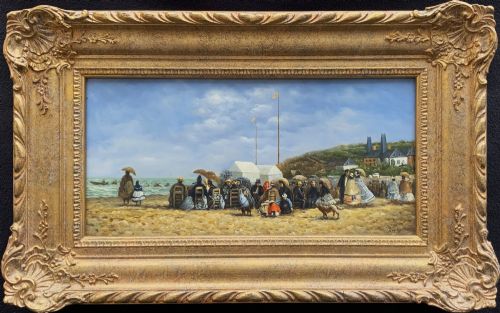
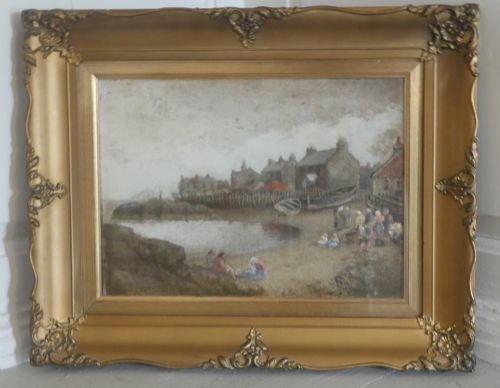
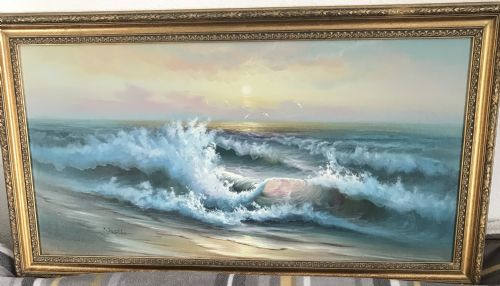
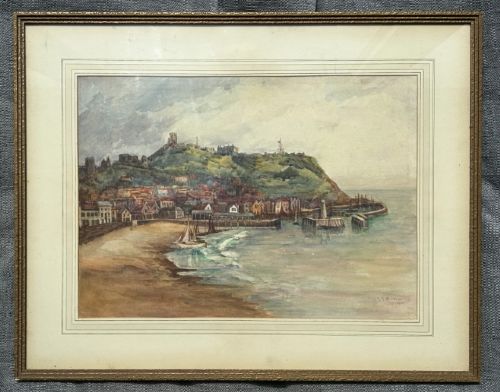
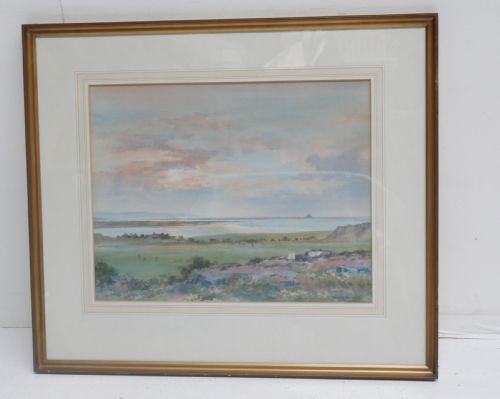
When searching for antique seaside landscape artwork, buyers encounter painted depictions of coastal views, fishing harbours, and beach scenes. These works capture shorelines from various regions, including English, Scottish, and French coasts, rendered during the nineteenth and twentieth centuries.
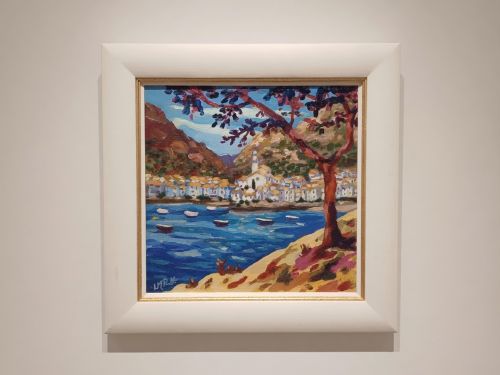
The pieces appearing on this page span several distinct periods, including Victorian, Edwardian, and mid-twentieth-century movements. Works range from traditional topographical watercolours of Yorkshire bays to impressionist oil paintings of French cliffs.
Common forms include framed oil paintings on canvas or board alongside detailed watercolours on paper. Artists recorded local activities such as fishing fleets returning to harbour, children playing on beaches, and Victorian pleasure piers.
How these artworks were produced
Makers utilised traditional mediums such as oil paint on canvas, wood, or board to build rich textures and lasting depth. Watercolour paint on paper was equally common for capturing the luminous quality of coastal light and sky.
Framing often involved gilt wood and glass to protect fragile watercolours on paper from moisture and light damage. Oil paintings on canvas were stretched over wooden frames and secured within decorative surrounds.
The selection includes British and French coastal scenes executed in Victorian, impressionist, and post-impressionist styles.
What separates the finest pieces
Quality in these coastal works rests upon the artist's ability to handle natural light and atmospheric coastal conditions. Superior examples demonstrate confident brushwork and precise topographical detail that firmly establishes the specific location.
The condition of the paper or canvas, along with the preservation of the original pigments, plays a significant role in overall appeal. Well-preserved framing that complements the period of the painting further enhances the piece.
William Banks Fortescue·F A Roylance·John Bedloe Goddard·Sir Thomas Newenham Dean·Alfred Henry Vickers·Percy Brooke·James George Bingley·John Sanderson Wells·Robert Macaulay Stevenson·James Watson·Edwin Bagshaw·Yves Brayer·William Shayer·George Marks·Henry Valter·John Duvall
The Antique Seaside Landscape Artwork Glossary
- Watercolour painting
- A work created using water-soluble pigments on paper. This medium allows for translucent washes of colour that effectively capture sea spray and open skies.
- Oil on canvas
- A painting technique using pigments suspended in drying oils applied to stretched fabric. This method provides durability and rich colour depth suitable for coastal scenes.
- Topographical
- Representing a specific actual place with geographical accuracy. Many coastal artworks record precise bays, harbours, and cliffs.
- Gilt wood
- Wood coated with a thin layer of gold leaf or gold-coloured paint. This material is frequently used for period frames enclosing nineteenth-century artworks.
Antique Seaside Landscape Artwork: Frequently Asked Questions
What periods do these artworks cover?
The pieces span from the nineteenth century through the Victorian and Edwardian eras into the mid-twentieth century.
Artists worked across various transitional styles leading from traditional realism into post-impressionism and fauvism.
How should I display watercolour works?
Watercolours on paper require protection from direct sunlight to prevent fading of the delicate pigments.
Keep them behind glass within stable indoor environments away from excessive moisture.
Where do these coastal scenes originate?
The artworks depict locations across British shores such as Yorkshire, Dorset, and Scotland.
Other pieces record continental views along French coasts including Normandy.
What subjects appear in these paintings?
Common subjects include fishing villages, harbour entrances, chalk cliffs, and sandy beaches.
Artists frequently included local figures such as fisher folk, children playing, and daily coastal life.