



Antique Scumble Finish
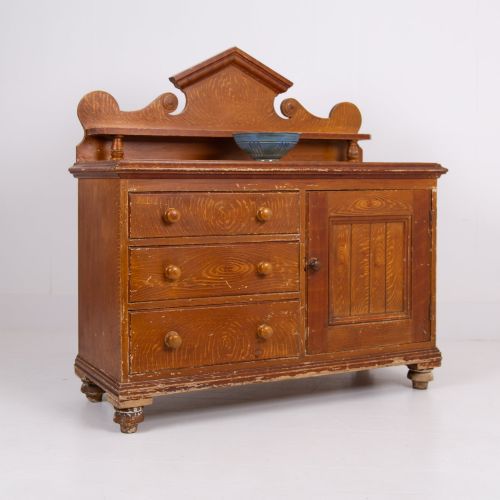
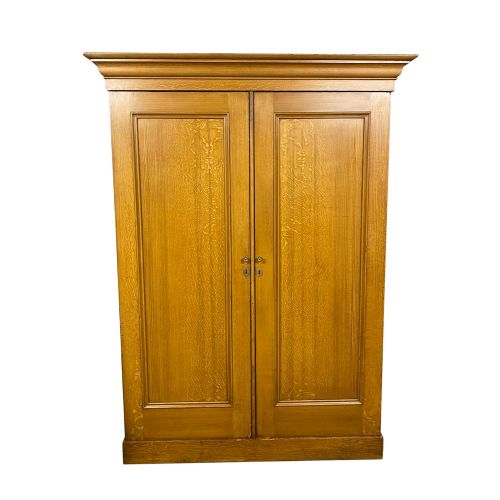
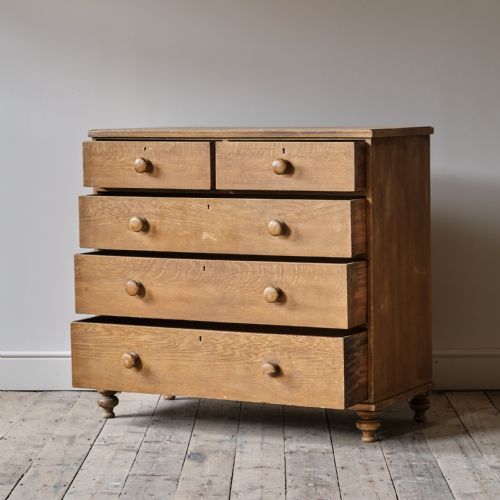
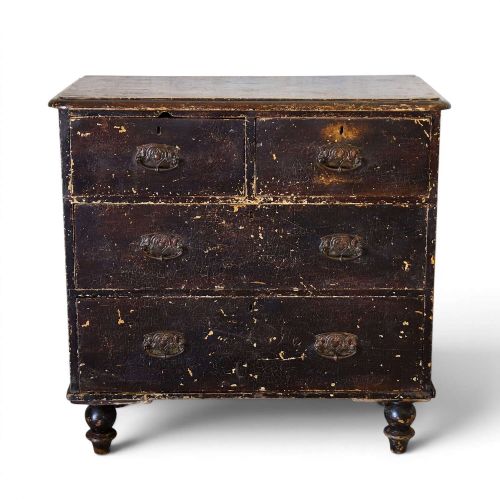
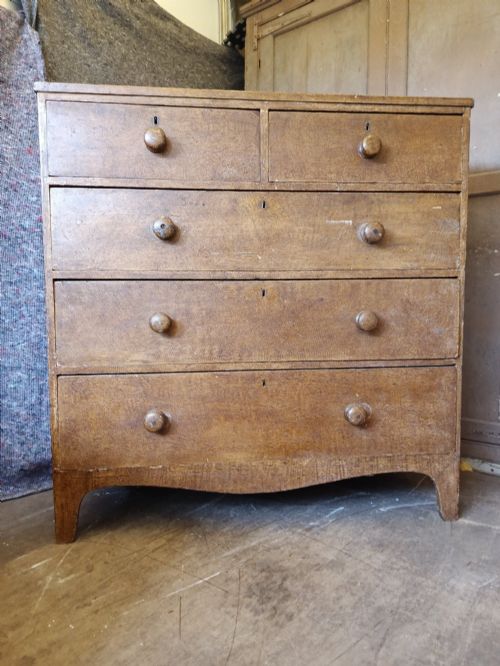
These pieces with an antique scumble finish bring tactile depth and rich surface pattern to a room through traditional layered glazing over pine.
Antique Scumble Finish
When you search for an antique scumble finish, you encounter functional household furniture from the nineteenth century, primarily constructed from pine and treated with decorative surface treatments. The items range from compact side tables and washstands to large compactum wardrobes, chests of drawers, and kitchen dressers.
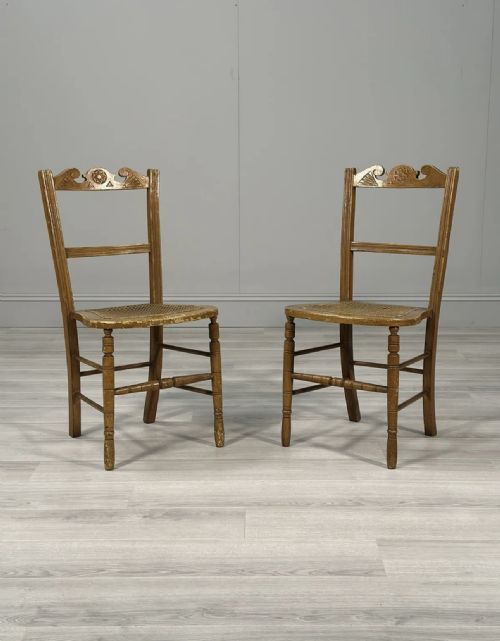
The versions you are most likely to meet on this page date from the Victorian era and the late Georgian period, often showcasing regional British craftsmanship. These pieces include country furniture forms such as mule chests, corner cupboards, settles, and side chairs that retain their original painted surfaces.
Makers utilised this translucent glazing technique to transform modest timbers into richer materials like oak or marble through applied pigments. The resulting surfaces offer a distinct visual texture that sets utilitarian nineteenth-century storage pieces apart from standard polished hardwoods.
How they were made
Makers built these pieces using solid pine carcasses, applying a base coat of pale paint before layering a translucent coloured scumble glaze over the dry surface. Craftsmen then manipulated this upper layer using combs, feathers, or rags to drag and wipe the pigment, creating decorative grain patterns and mottled textures.
The final effect often simulated more costly hardwoods such as oak or introduced faux marble details on functional surfaces like washstand tops. Iron and brass hardware completed the construction, securing drawers, doors, and lids on pieces designed for robust daily use.
Antique Scumble Finish Retail Price Guide 2026
Typical asking prices for scumble finish among the pieces listed under this phrase on Sellingantiques today, from the lower quarter to the upper quarter. They describe what is for sale here now, not the wider market.
Nineteenth-century decorators occasionally used crumpled newspaper and chicken feathers alongside traditional graining combs to achieve convincing faux wood textures.
What varies in quality
The distinction between standard examples and superior pieces rests on the skill and control evident in the brushwork and grain manipulation. A master decorator achieved convincing depth and natural movement in the simulated wood patterns, whereas lesser work appears flat or heavy-handed.
Proportion and form also determine distinction, as seen in neat proportions on primitives or sophisticated Regency and Art Nouveau lines. The survival rate of the untouched original glaze without extensive overpainting elevates the standing of any piece on the market.
The Antique Scumble Finish Glossary
- Scumble glaze
- A translucent mixture of oil, varnish, and pigment applied over a lighter base coat. This compound stays workable long enough for the decorator to shape distinctive patterns before it dries.
- Faux oak
- A decorative paint technique mimicking the medullary rays and grain patterns of true oak timber. Decorators applied this finish to humble pine furniture to satisfy Victorian taste for substantial wood appearances.
- Mule chest
- A storage chest featuring one or more drawers at the base beneath a hinged lid. These practical pieces frequently received decorative paint finishes to suit domestic bedroom or parlour settings.
- Compactum wardrobe
- A large fitted wardrobe combining hanging space with internal drawers, shelves, and compartments. Nineteenth-century examples often utilised decorative paint treatments to unify their expansive surfaces.
- Washstand
- A dedicated bedroom item designed to hold a basin and jug, usually fitted with a splashback or a durable surface top. Pine versions frequently displayed simulated marble paint finishes to resist water and wear.
Antique Scumble Finish: Frequently Asked Questions
What is scumble finish furniture?
Scumble finish furniture consists of nineteenth-century utilitarian pieces, mostly made from pine, that received a translucent decorative glaze over a painted base. Craftsmen manipulated this wet top layer to imitate expensive hardwoods or stone.
This technique allowed modest households to own visually rich furniture at a lower cost than solid timber items. Today, these surviving surfaces offer a distinct tactile quality that appeals to collectors of country and vernacular antiques.
How do I clean scumble painted furniture?
Cleaning these painted surfaces requires gentle dusting with a dry, soft cloth to remove everyday particles without disturbing the historic glaze layers. Avoid liquid cleaners, harsh detergents, or modern polishes that can soften or strip nineteenth-century oil-based paints.
If deeper cleaning is necessary, consult a professional conservator who understands historical painted surfaces. Preserving the integrity of the original glaze layer takes precedence over achieving a high shine.
How can I tell if the scumble paint is original?
Original scumble paint shows natural wear patterns, minor crackle, and integration with the underlying timber that match the age of the piece. Close inspection under magnification often reveals the tool marks of combs, rags, or brushes used by the nineteenth-century decorator.
Later repainting or touch-ups tend to sit uniformly on top of the surface without the integrated patina accumulated over decades of use. Look for consistency in wear around handles, keyholes, and edges where hands naturally touched the wood.
Where were these pieces used in the home?
Scumble painted pieces served practical functions throughout nineteenth-century domestic interiors, from kitchens and sculleries to bedrooms and parlours. Dressers and corner cupboards stored tableware in living spaces, while washstands, wardrobes, and chests of drawers furnished sleeping quarters.
Their robust pine construction and decorative finishes made them suitable for everyday family life outside the formal reception rooms. Today, these versatile forms transition easily into modern rooms as storage units or statement accents.