

Antique Scroll Lounge
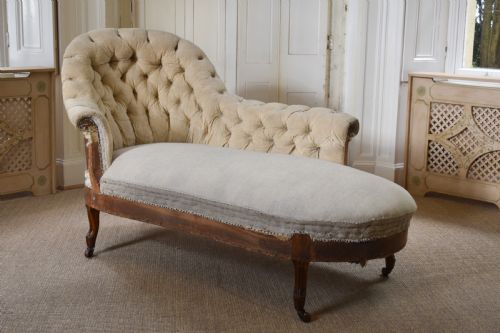
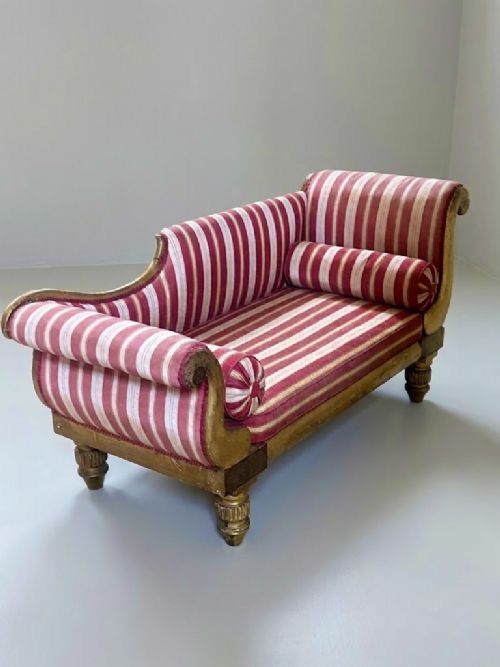
An antique scroll lounge brings sculptural nineteenth-century grace to a room through sweeping wooden frames and generous upholstered resting forms.
Antique Scroll Lounge
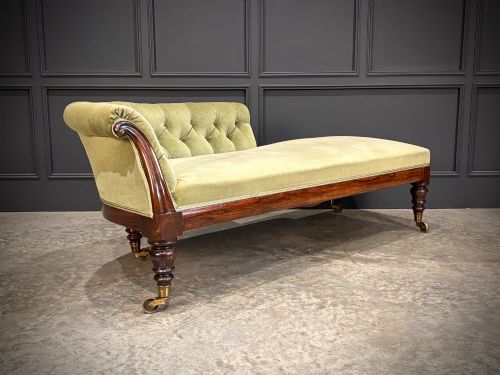
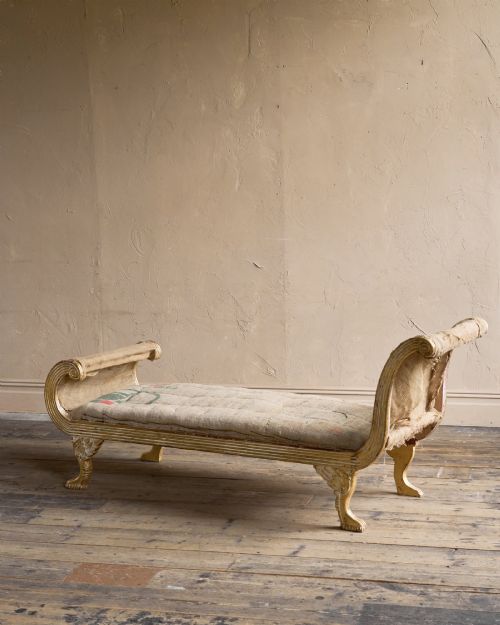
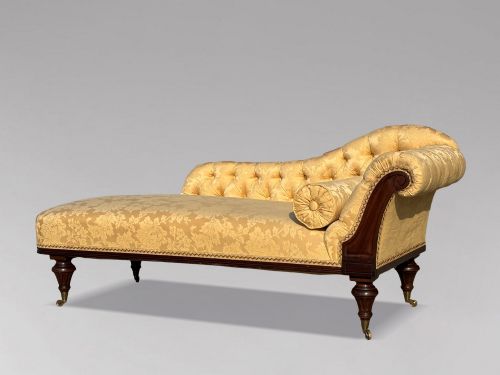
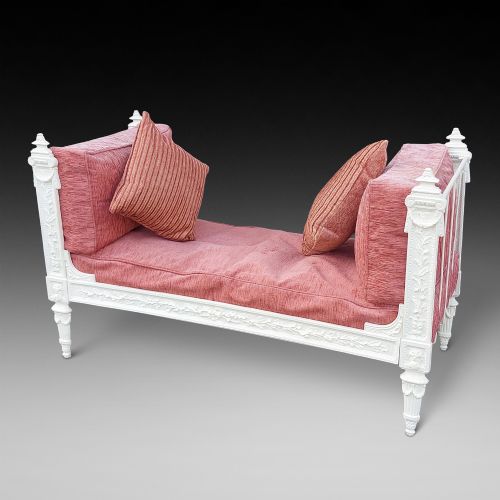
The antique scroll lounge encompasses nineteenth-century daybeds, chaises longues, and scroll-ended sofas designed for reclining in formal rooms. Buyers seeking this form will find nineteenth-century examples stretching from the Regency and William IV eras into the Victorian period.
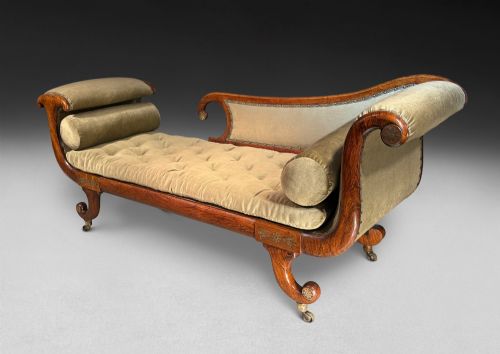
The characteristic scroll arm or end sweeps outward or inward in a continuous curve, often matched at both ends on grander daybeds and réicamiers. These pieces originate primarily from English country houses and continental workshops adhering to Regency and French Renaissance revival aesthetics.
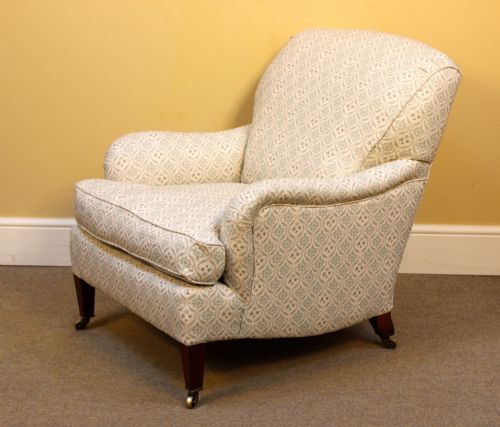
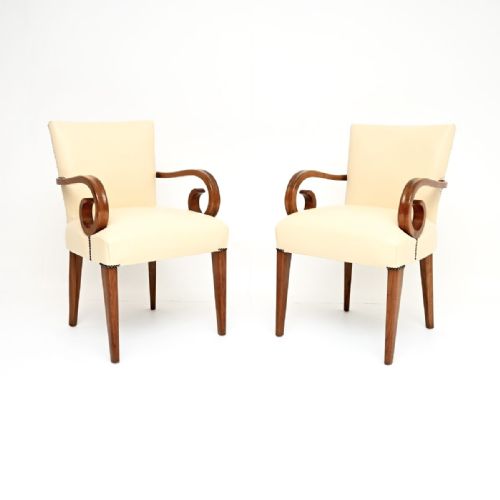
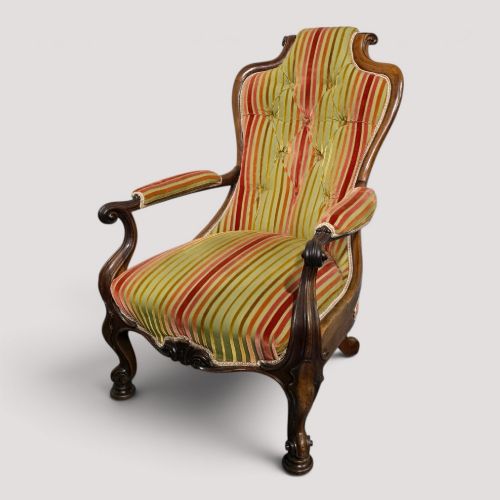
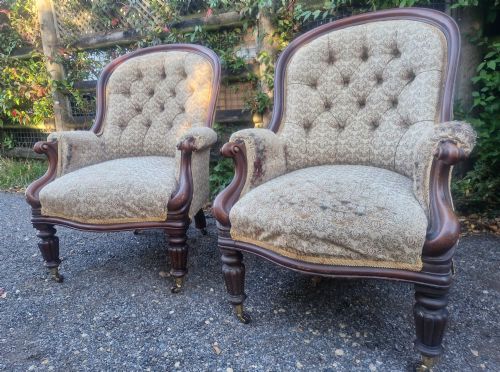
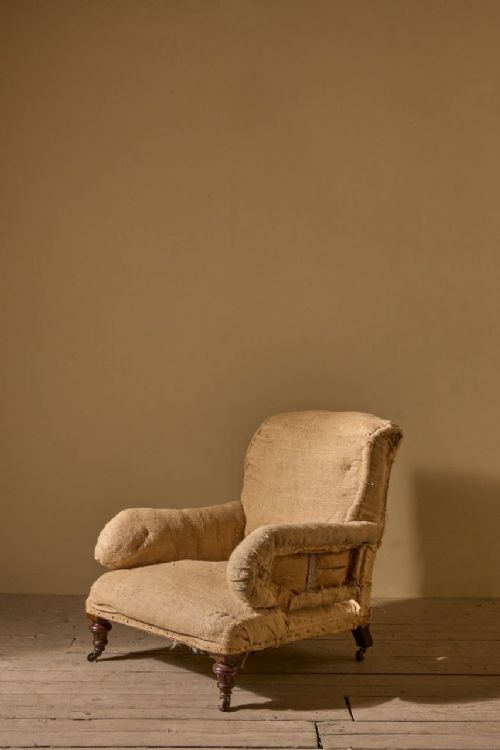
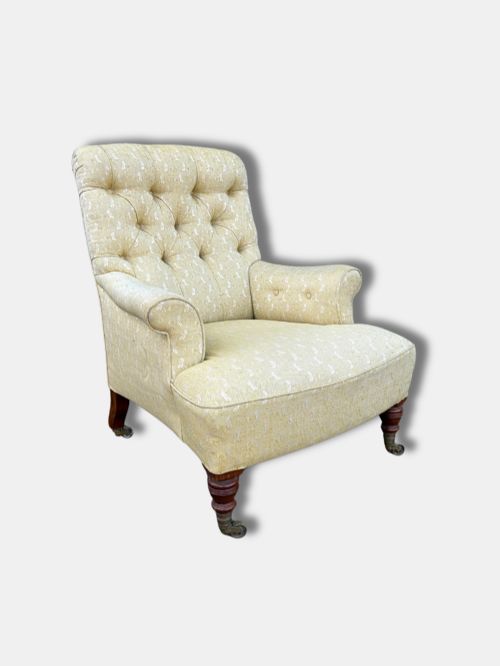
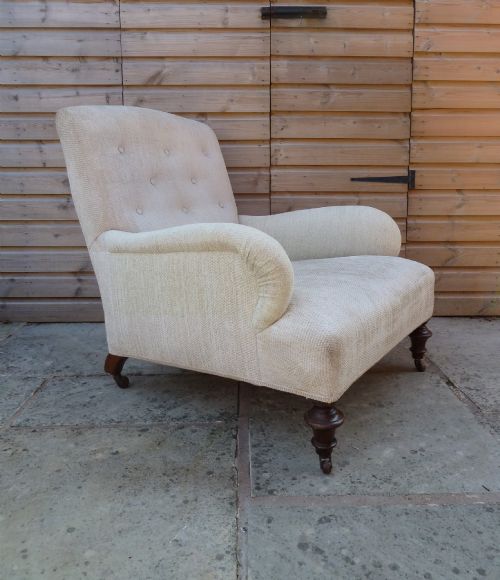
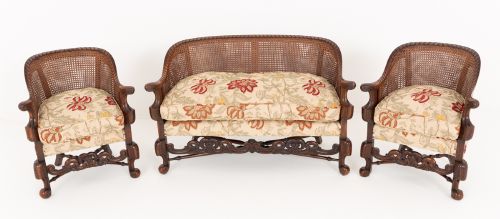
While daybeds and chaises longues dominate the selections, the broader category includes scroll back armchairs and sofas sharing the same distinctive profile. Mahogany, rosewood, and simulated rosewood provide the structural timber framework for these expansive resting places.
Materials and construction
Timbers such as solid mahogany and rosewood form the structural chassis, sometimes enhanced with brass inlay or giltwood details. Simulated rosewood surfaces appear where cabinetmakers painted lesser woods to mimic costly tropical grains.
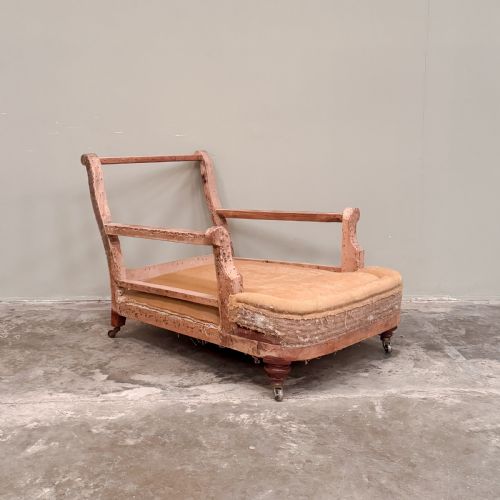
Upholstery relies on traditional stuffing secured beneath fabrics including velvet, calico, damask, and silk. Turned wooden legs frequently terminate in original brass castors to allow movement across heavy carpets.
Antique Scroll Lounge Retail Price Guide 2026
Typical asking prices for scroll lounge among the pieces listed under this phrase on Sellingantiques today, from the lower quarter to the upper quarter. They describe what is for sale here now, not the wider market.
The inventory spans Victorian, Regency, William IV, and Edwardian design periods.
Assessing quality in scroll designs
The fluidity of the carved scroll work dictates the visual success of the piece, separating rigid interpretations from master cabinetmaker execution. Crisp turnings on the legs and tight joinery at the stress points indicate superior workshop origin.
The integrity of the internal frame and the quality of the timber grain determine longevity and historical value. Pieces retaining maker stamps or attribution to notable firms command greater interest among collectors.
Howard and Sons·Holland and Sons·Gillows
The Antique Scroll Lounge Glossary
- Chaise longue
- An upholstered sofa in the form of a chair with a seat long enough to support the legs. This French form evolved through the Regency and Victorian periods into various daybed configurations.
- Récamier
- A daybed featuring two raised symmetrical scroll ends, named after the French society figure painted by Jacques-Louis David. These symmetrical forms allow reclining from either direction.
- Rosewood
- A dense, heavily figured dark timber utilised extensively during the Regency and William IV periods. Its rich grain patterns complement the sweeping curves of scroll furniture.
- Bergere
- An enclosed upholstered armchair with wooden framing exposed around the padded elements. This French style appears in nineteenth-century country house settings.
- Castor
- A small wheel fitted to the base of furniture legs to facilitate movement. Original brass castors provide evidence of period authenticity.
Antique Scroll Lounge: Frequently Asked Questions
How do I identify a Regency period scroll lounge?
Regency pieces display classical restraint, often utilising rich rosewood veneers, brass inlay, or simulated grain surfaces. The woodwork exhibits clean architectural lines paired with graceful, continuous scroll arms.
Cabinetmakers of this era drew inspiration from classical antiquity, resulting in frames that feel lighter and more sculptural than later Victorian iterations.
Are these pieces suitable for daily use?
Nineteenth-century frames are constructed from solid hardwoods like mahogany and oak, providing robust structural foundations. Traditional webbing and spring systems support the upholstery for comfortable reclining.
Placing the piece away from direct sunlight preserves both the antique timber finishes and the delicate historical textiles. Regular gentle cleaning maintains the integrity of the original wood and fabric.
What wood types should I expect to find?
Mahogany and rosewood dominate the higher tier of nineteenth-century frames, offering deep natural colour and fine grain patterns. Oak and birch appear in regional country house pieces and continental European designs.
Simulated rosewood surfaces also occur, where skilled painters treated alternative timbers to achieve an expensive aesthetic economically.