



Antique Screw Back Jewellery
Antique screw back jewellery offers non-pierced wearers secure fastening through threaded mechanisms.
Antique Screw Back Jewellery
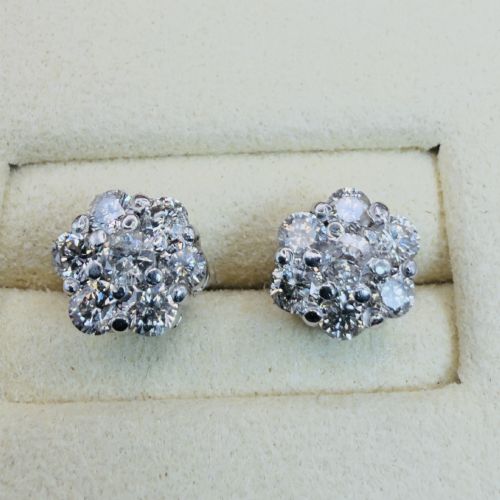
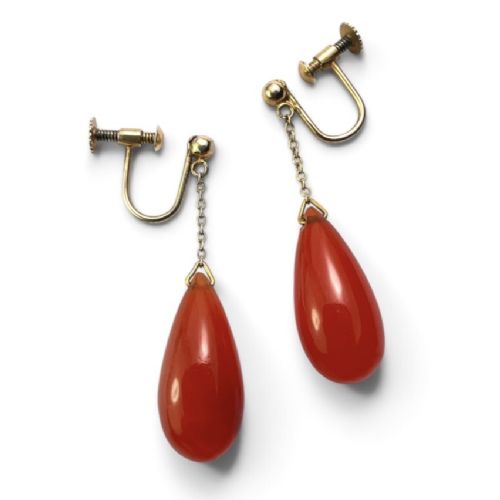
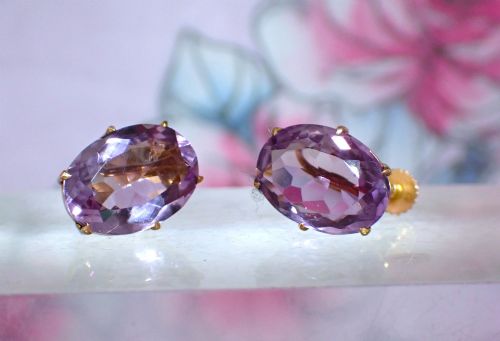
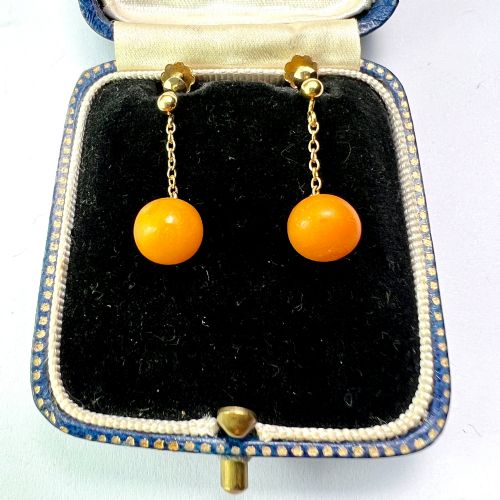
Antique screw back jewellery on this page consists entirely of earrings featuring mechanical screw fittings. These pieces span Victorian, Edwardian, Art Deco, and Mid-Century periods.
Buyers will encounter drop earrings, chain drops, studs, and cluster designs. Materials range from gold and silver to gemstones and pearls.
How they were made
Goldsmiths utilised 9ct gold, 15ct gold, and silver as the primary mounting metals, incorporating platinum in specific diamond settings. Gemstones such as amethyst, citrine, garnet, tourmaline, and jadeite were hand-set into these precious metals.
Makers integrated threaded screw mechanisms into the back of the earring findings to allow adjustment for unpierced lobes. Decorative elements like paste, marcasite, pearl, and coral were then secured onto the frames.
Victorian ladies spent hours twisting tiny paddle screws just to make their earlobes sparkle across the ballroom.
What varies in quality
The precision of the threaded screw mechanism dictates the mechanical reliability of the piece. Smooth operation and secure tension distinguish superior examples from those with worn threads.
The choice of materials and the fineness of the metalwork set the highest grades apart. Solid gold or platinum mountings paired with natural gemstones represent the upper tier of craftsmanship.
The Antique Screw Back Jewellery Glossary
- Screw back
- A mechanical earring finding that tightens against the earlobe via a threaded post and paddle. This allows individuals without pierced ears to wear dangling and stud designs securely.
- Paste
- Hand-cut lead glass used as a gemstone substitute in antique pieces. It reflects light brightly and was often foil-backed to enhance colour.
- Marcasite
- Small faceted pyrite stones set closely together in silver mountings. They provide a dark metallic sparkle popular in Art Deco designs.
- Chain drop
- An earring style where decorative elements hang suspended from fine chains. This configuration creates movement when worn.
Antique Screw Back Jewellery: Frequently Asked Questions
How do screw back earrings work?
These earrings use a small threaded screw mechanism on the back of the finding. Turning the screw moves a flat paddle closer to the post, allowing the wearer to clamp the earlobe gently between them.
This design secures the earring without requiring a pierced hole. Adjusting the tension ensures the piece stays firmly in place throughout the day.
Are all screw back earrings antique?
Screw back mechanisms were widely utilised during the Victorian, Edwardian, Art Deco, and Mid-Century eras. Pieces from these periods feature specific metal alloys and stone-setting techniques characteristic of their time.
Later reproductions and modern non-pierced options also exist. Examining the metal hallmarks, findings, and overall construction helps determine the true age of an item.
Can screw back earrings be converted?
Jewellers can convert screw back earrings into standard posts for pierced ears or into clip-on findings if preferred. However, many collectors prefer to leave antique mechanisms intact to preserve their original state.
Altering the original hardware can affect the historic integrity of the piece. Professional consultation ensures that any adaptation respects the construction of the metalwork.
How do I care for antique screw back jewellery?
Gentle handling protects the delicate threaded screws and fragile stone settings. Cleaning should be done with a soft cloth, avoiding harsh chemical dips that might damage softer stones like pearls or amber.
Storing each pair separately prevents the metal findings from scratching the gemstones. Regular checks by a jeweller keep the screw mechanisms functioning smoothly.