





Antique Scraper Tray
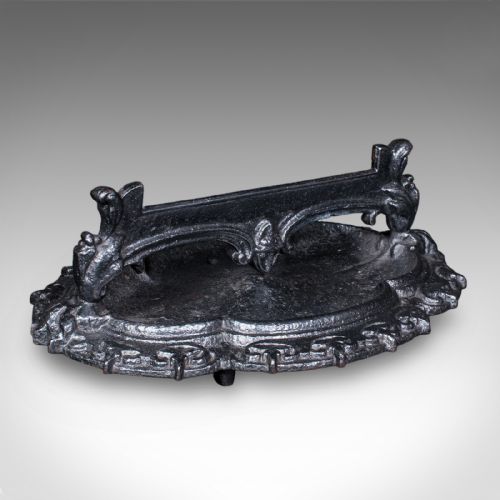
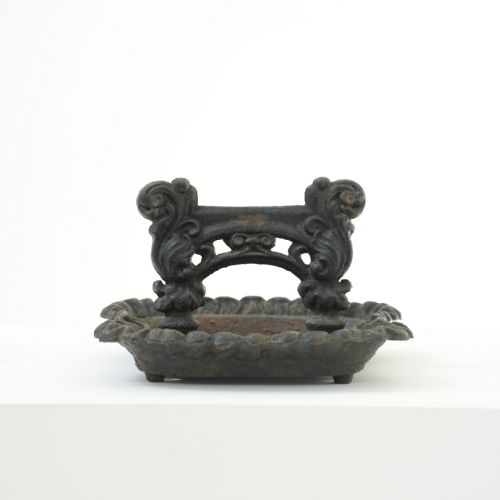
An antique scraper tray brings heavy metal utility to an entranceway, offering a sturdy threshold accessory designed for clearing heavy mud from footwear before stepping inside.
Antique Scraper Tray
The term antique scraper tray unites two distinct household objects found in the listings: heavy iron boot scrapers placed at doorways to clean shoes, and metal crumb trays used at the dining table. Buyers seeking an antique scraper tray usually encounter robust cast iron door scrapers from the Victorian, Regency, and Georgian periods, alongside Art Nouveau pewter crumb trays.
Threshold boot scrapers often incorporate integrated shoe pulls or side handles, designed to anchor firmly outside an entrance or townhouse doorway. The material remains predominantly heavy cast iron, built to endure continuous outdoor exposure and vigorous daily use across centuries.
How they were made
Foundries produced these items using cast iron poured into moulds, yielding heavy, durable door scrapers capable of withstanding heavy boots. Makers also utilised pewter for domestic tabletops and dining accessories, shaping softer metal alloys into decorative crumb trays.
Iron versions rely on straightforward foundry casting without excess ornamentation, though country house and townhouse examples occasionally display considered architectural framing around the blade. Art Nouveau pewter pieces showcase smooth, flowing lines characteristic of late nineteenth century metalwork techniques.
Antique Scraper Tray Retail Price Guide 2026
Typical asking prices for scraper tray among the pieces listed under this phrase on Sellingantiques today, from the lower quarter to the upper quarter. They describe what is for sale here now, not the wider market.
Materials represented across the inventory are strictly limited to cast iron and pewter.
What varies in quality
Quality rests in the weight, thickness, and integrity of the casting, distinguishing utilitarian foundry work from substantial country house or townhouse commissions. Substantial iron thickness and crisp detailing in the moulding separate superior examples from standard production pieces.
Design ambition also marks the range, from simple oval footscrapers to large pairs featuring integrated pull handles. Pewter table pieces depend on surface preservation and the distinct definition of decorative motifs stamped or cast into the metal.
Coalbrookdale·Orivit
The Antique Scraper Tray Glossary
- Boot scraper
- A heavy metal blade mounted near a doorway, used for scraping mud and dirt from the soles of footwear.
- Crumb tray
- A flat metal tray used with a brush to sweep crumbs from a dining table.
- Cast iron
- A hard, brittle alloy of iron and carbon poured into moulds to create solid, heavy objects.
- Pewter
- A malleable metal alloy historically used for tableware, featuring tin as its primary component.
- Shoe pull
- A handle or loop attached to a boot scraper to steady the foot while removing footwear.
Antique Scraper Tray: Frequently Asked Questions
Where were antique boot scrapers placed?
These iron scrapers stood directly outside doorways, porches, and thresholds of townhouses and country houses.
Their placement ensured visitors and residents cleared mud from footwear before entering the interior spaces.
What is the difference between a scraper and a crumb tray?
Cast iron scrapers are heavy, outdoor architectural fixtures designed for boots and heavy shoes.
Pewter crumb trays are light, indoor tabletop items intended for collecting dining room debris.
How do I care for cast iron?
Cast iron requires protection from moisture to prevent rust, particularly when placed outdoors.
Regular light oiling or waxing preserves the dark surface finish of the metal.
What periods do these pieces come from?
The available selection spans the Georgian, Regency, and Victorian eras of the nineteenth century.
Individual items also reflect specific design movements like Art Nouveau.