
Antique Scottish Table
An antique scottish table brings robust regional character and fine cabinet-making traditions into a room, spanning grand mahogany dining pieces and solid oak farmhouse iterations.
Antique Scottish Table
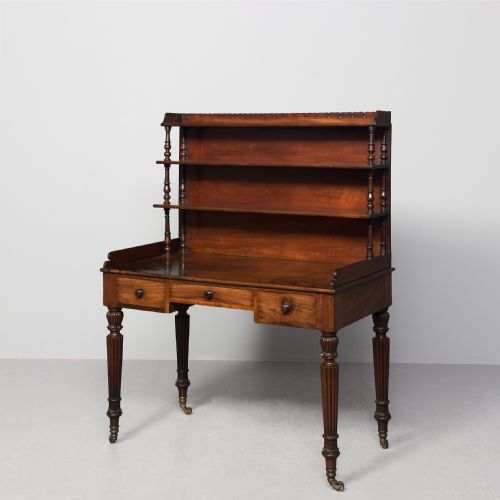
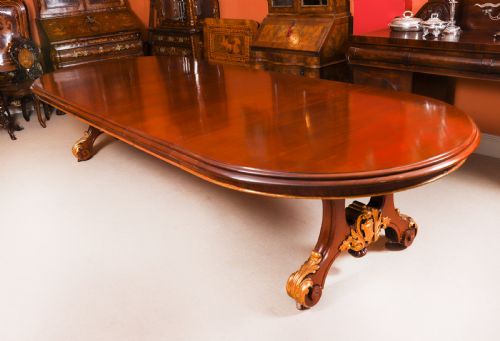
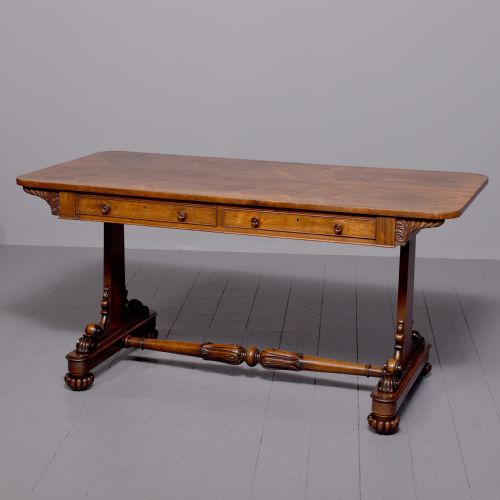
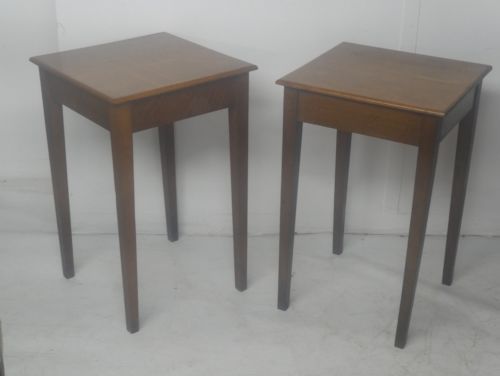
When searching for an antique scottish table, buyers encounter a diverse range of forms reflecting domestic life, country houses, and urban workshops across several centuries. The selection encompasses large dining formats, serving boards, library pieces, and smaller occasional or console formats suited to hallway settings.
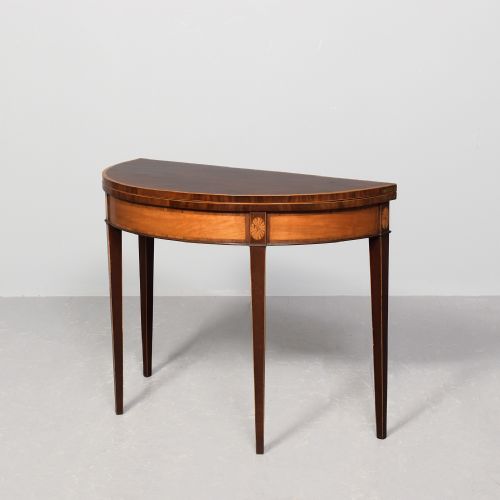
Oak and mahogany dominate the offerings, appearing in vernacular farmhouse furniture as well as sophisticated city workshop productions from Edinburgh, Glasgow, and Kelso. Pieces stretch from the unadorned utility of kitchen preparation boards to the refined crossbanding and satinwood veneers of the Regency period.
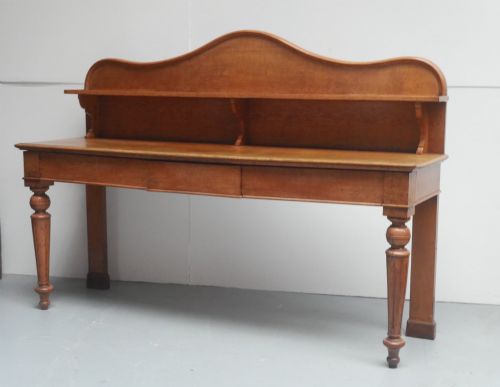
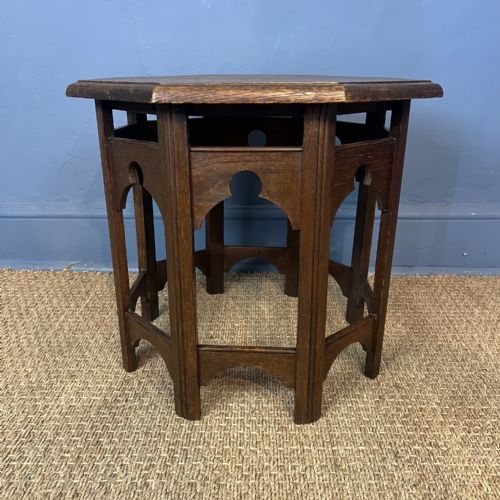
The regional aesthetic often draws on Gothic revival influences, barley twist turnings, or robust proportions distinct from English equivalents. Buyers frequently meet Victorian oak refectory designs alongside earlier Georgian card tables and writing desks.
Materials and construction methods
Cabinet makers utilised native timbers such as oak, pine, and sycamore alongside imported hardwoods like mahogany and rosewood for high-status commissions. Solid oak construction underpins many country house and Gothic revival examples, offering exceptional durability and deep grain patterns.
Joinery methods range from heavy pegging and primitive peg construction on utilitarian kitchen and dairy tables to precise dovetailing and crossbanding on sophisticated library and sofa tables. Surface treatments incorporate hand-applied polish, wax, and occasionally painted finishes or granite inserts.
Materials appearing across the inventory include oak, mahogany, rosewood, pine, satinwood, and granite.
Distinctions in quality and execution
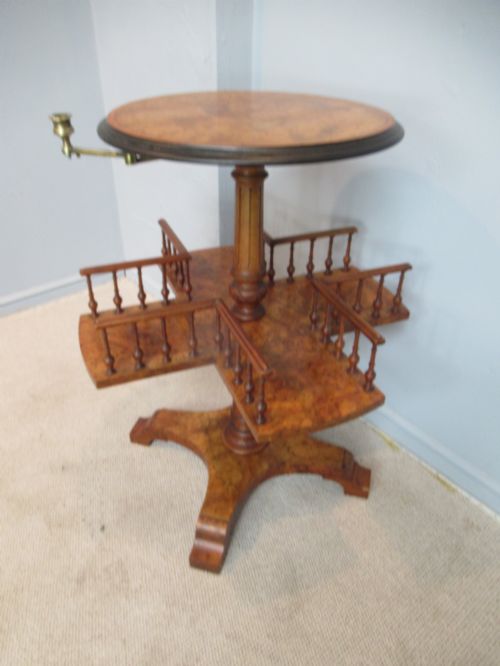
The hierarchy of quality rests on the selection of timber, the integrity of the cabinet work, and the provenance of the maker or regional workshop. Superior examples demonstrate thoughtful grain matching, particularly in burr walnut and mahogany veneers, alongside restrained, competent carving rather than heavy-handed embellishment.
Structural stability and original hardware differentiate high-grade pieces from standard utility items. Workshop attribution, such as documented pieces by James Mein of Kelso or Wylie & Lochead, elevates the standing of a table through superior secondary timbers and meticulous internal joinery.
James Mein of Kelso·Wylie and Lochead Glasgow·Bruce and Burns·Alexander McKenzie of Glasgow·John Taylor Edinburgh·J and T Scott
The Antique Scottish Table Glossary
- Crossbanding
- A strip of veneer applied to the edge of a table top with the grain running perpendicular to the surface. This technique creates a neat framing effect that contrasts with the primary wood.
- Refectory table
- A long, narrow dining table traditionally used for communal dining in monastic or large domestic halls. Scottish examples frequently utilise heavy oak with sturdy stretcher bases.
- Potboard dresser
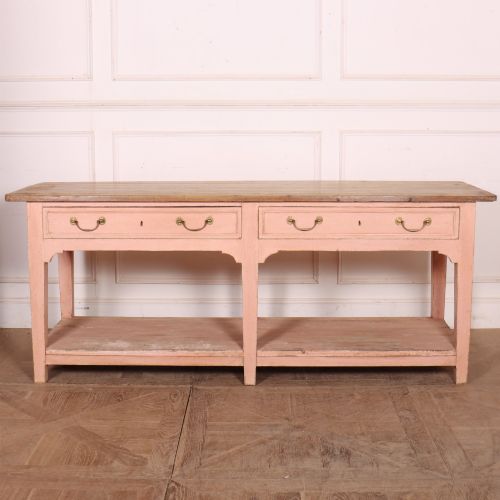
- A kitchen or dining base featuring an open lower shelf used historically for storing pots and kitchenware. These pieces are typically constructed from solid oak or pine.
- Sofa table
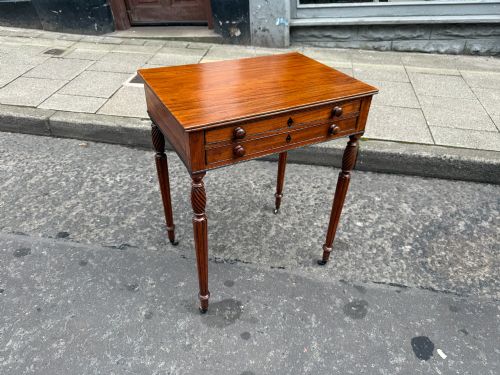
- A small drop-leaf table designed during the Regency period to stand in front of a sofa. They usually feature twin pedestals or end supports with stretcher rails.
- Sideboard
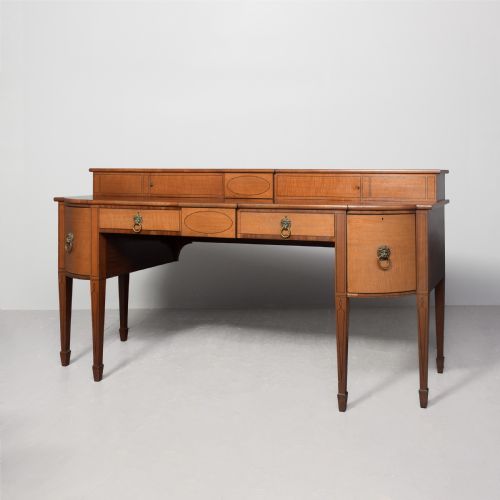
- A large serving table often equipped with drawers or stage-back tiers for displaying plate. Scottish iterations from the Georgian and Victorian eras often display substantial proportions.
Antique Scottish Table: Frequently Asked Questions
What defines an antique scottish table?
These tables are defined by their regional provenance, sturdy construction, and characteristic use of native timbers like oak alongside imported hardwoods. Workshops in Edinburgh, Glasgow, and the Borders developed distinct proportions and decorative motifs.
Buyers find everything from simple pine kitchen preparation surfaces to grand mahogany dining formats and elaborate Gothic revival library tables.
How do I date an antique scottish table?
Dating relies on stylistic clues, secondary woods, and construction techniques visible in the framework and drawers. Georgian pieces often display slender proportions and fine mahogany veneers, while Victorian examples lean toward heavier oak, barley twist turnings, or Gothic revival details.
Matching the historical period of documented makers helps narrow down the decade of production.
Where were these tables used originally?
These pieces served practical and social functions across country houses, urban townhouses, and rural farmhouses. Large refectory and dining formats occupied great halls, while smaller console, card, and occasional tables furnished reception rooms and libraries.
Kitchen and dairy tables managed daily food preparation and domestic labour.
How should I care for an antique wood table?
Maintaining wood surfaces requires consistent humidity control and protection from direct sunlight to prevent timber splitting and veneer lifting. Regular application of a quality beeswax preserves the natural lustre of mahogany and oak without sealing the grain.
Using felt pads under objects prevents scratches on finished table tops.