
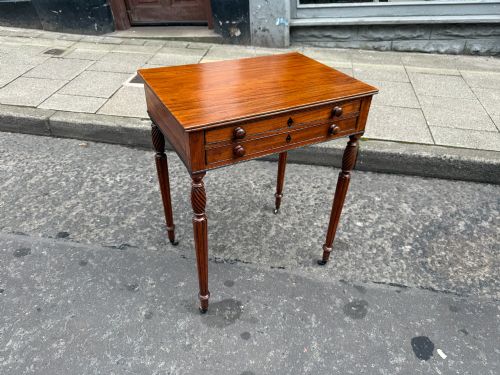
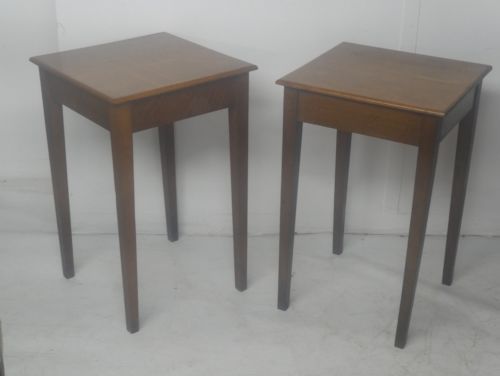
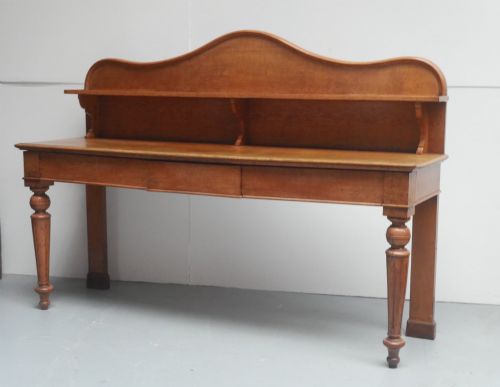
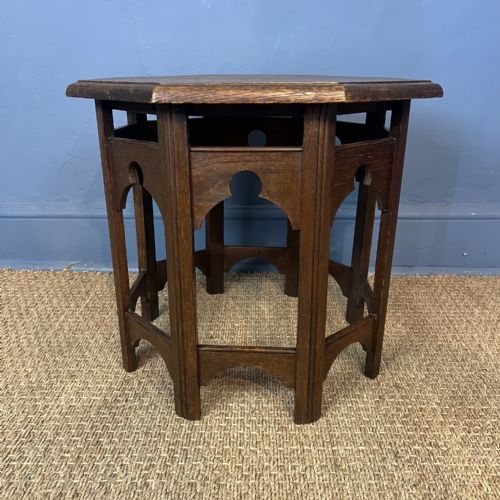
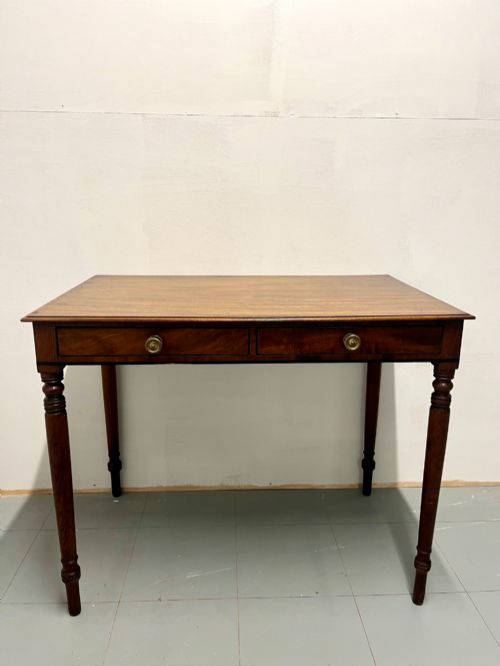
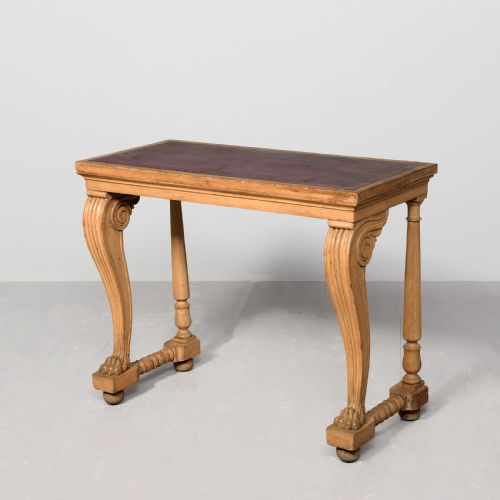
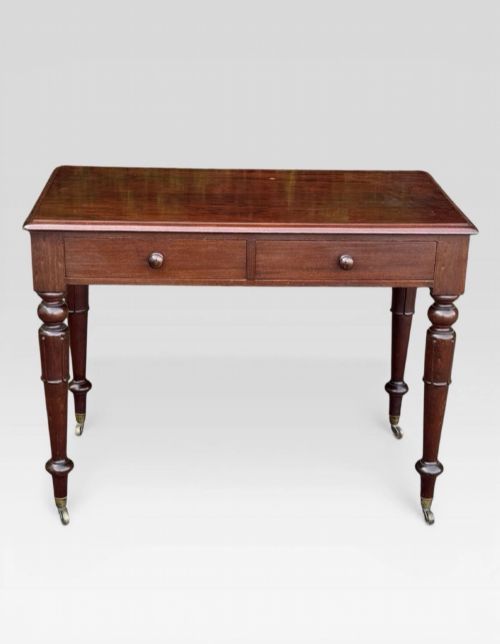
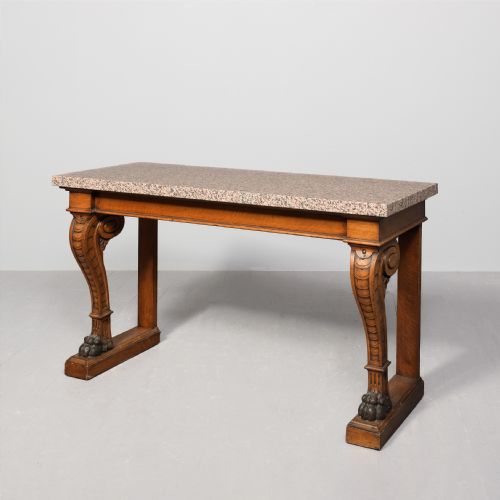
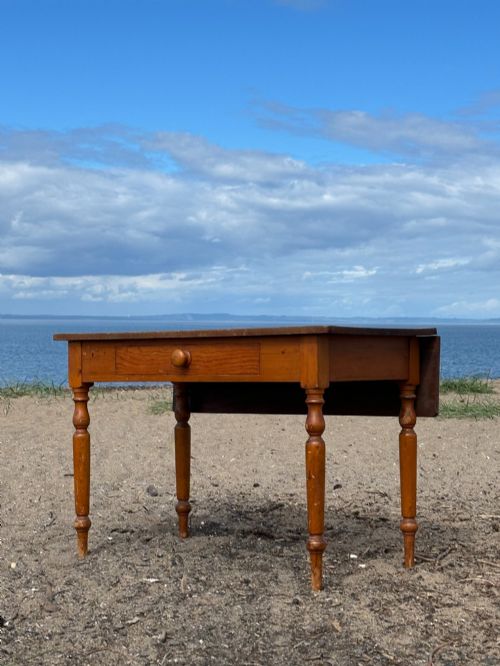


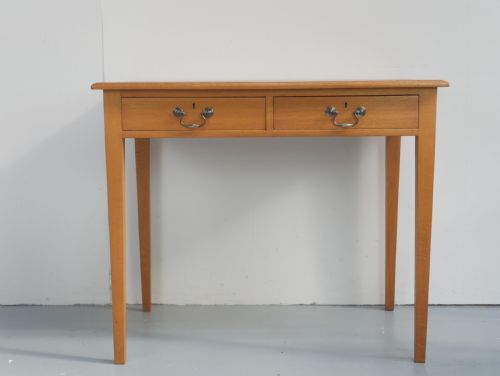


Antique Scottish Side Table
An antique scottish side table brings regional cabinet-making traditions into a hallway or parlour, offering both surface space and distinct period character.
Antique Scottish Side Table
An antique scottish side table encompasses a variety of forms designed for domestic utility, including console tables, serving tables, and occasional pieces. These items appear across periods such as the Georgian, Regency, and Victorian eras, reflecting shifting interior fashions.
The materials utilised range from native timbers like oak and pine to finer woods such as mahogany and satinwood. Regional makers often adapted prevailing British styles, incorporating local touches like granite tops or specific structural proportions.
Examples on this page span formal town house pieces to robust country house furniture. Buyers encounter designs ranging from simple kitchen preparation tables to elaborate pedestal wine tables and console furniture.
How They Were Made
Cabinet-makers relied primarily on solid oak and mahogany for structural integrity, often employing pine for secondary framing in drawers and carcases. Surfaces frequently display polished finishes that highlight the natural grain of native and imported timbers.
Construction techniques include traditional joinery alongside turned elements like barley twist or bobbin legs. Brass handles, leather inserts, and granite inserts appear as functional and decorative additions across various pieces.
Listings feature oak as the predominant timber, alongside mahogany, satinwood, pine, and granite.
What Varies in Quality
Material selection dictates the standing of a piece, with figured mahogany, dense golden oak, and select satinwood sitting above standard pine or mixed secondary woods. The choice of timber often corresponds to whether a table originated in a grand urban workshop or a provincial workshop.
The execution of detail separates standard utility furniture from high workshop production. Crisp carving, well-chosen timber veneers, and signed or attributed cabinet-making elevate an item's distinction.
James Mein of Kelso·J A Mein Edinburgh·Alexander McKenzie of Glasgow·John Taylor Edinburgh·Morison of Ayr·Whytock & Reid of Edinburgh·William Trotter of Edinburgh
The Antique Scottish Side Table Glossary
- Console table
- A table designed to stand against a wall, frequently secured with brackets or resting on front legs. These items served ceremonial and decorative functions in formal halls.
- Occasional table
- A smaller, movable table brought out for specific domestic tasks or general placement beside seating. They appear in numerous forms throughout the nineteenth century.
- Tilt top
- A table mechanism allowing the surface to pivot to a vertical position for storage when not in use. This feature is common on wine and occasional tables.
- Lowboy
- A small low table with drawers, originating in the eighteenth century and functioning as a side table or dressing surface. They typically feature cabriole or straight legs.
- Chiffonier
- A low sideboard or cabinet combining shelving and surface space, utilised primarily in dining rooms and parlours for serving or storage.
Antique Scottish Side Table: Frequently Asked Questions
Where should I place a side table?
These tables suit hallways, reception rooms, and living spaces where surface space is required against a wall. Their varied depths allow placement in narrow corridors or behind seating.
Larger serving tables and console pieces function well in dining rooms or entrance halls, while smaller occasional and lamp tables fit beside chairs.
How do I identify the wood used?
Examination of grain patterns and colour helps distinguish native timbers like oak and pine from imported hardwoods such as mahogany and satinwood. Oak displays characteristic medullary rays, while mahogany varies from rich red-brown to dark brown.
Bleached oak and golden oak finishes also appear across the nineteenth-century pieces, showing distinct regional surface treatments.
Are these tables suitable for daily use?
Solid construction in oak and mahogany makes these tables robust for contemporary living. Their sturdy frames handle normal placement of lamps, books, and decorative objects.
Care should be taken with polished surfaces regarding moisture and heat, utilising coasters where appropriate to protect the timber.