




Antique Scottish Prints
Antique scottish prints capture centuries of northern landscapes, military history, and clan heritage on paper.
Antique Scottish Prints
When you examine antique scottish prints, you find works that document topography, local regiments, and native wildlife. These pieces range from early cartographic representations to detailed watercolours and etchings.
The selections on this page draw from Georgian and Victorian periods, alongside later twentieth-century examples. You encounter framed maps, bird studies, and historical scenes reflecting Scotland's past.
How they were made
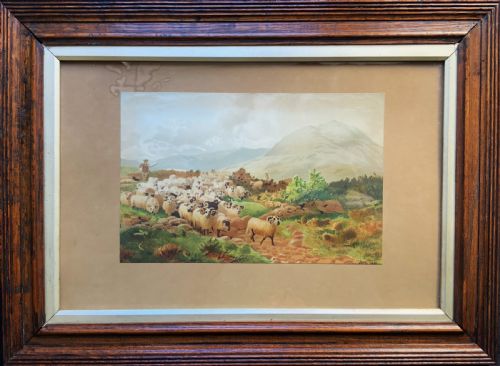
Makers utilised high-grade paper as the primary support for ink, lithography, and watercolour applications. Many sheets receive hand-colouring to enhance topographical and natural history subjects.
Framing materials commonly incorporate wood and glass to protect fragile paper surfaces from environmental damage. Etchings rely on metal plates to transfer fine lines onto the sheet.
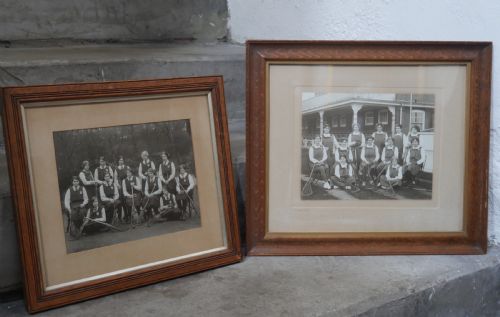
Even military volunteers found time to commission portraits, ensuring rigid posture was preserved for posterity.
What varies in quality
The clarity of the impression separates standard prints from finer works. Stronger ink transfer preserves the intricate details of landscapes and wildlife subjects.
Condition of the paper and integrity of any applied watercolour pigment influence the overall standard. Original framing and provenance also contribute to the distinction between pieces.
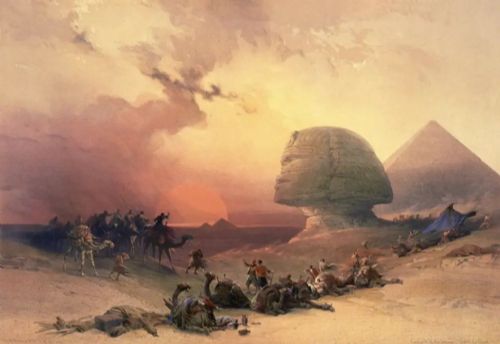
David Roberts·George Rankin·Ralston Gudgeon·Herbert Dicksee·T.M Baynes
The Antique Scottish Prints Glossary
- Lithography
- A planographic printing process using a stone or metal plate. This technique allows artists to produce multiple accurate copies of a drawing.
- Etching
- A printmaking method where acid cuts into unprotected parts of a metal plate to hold ink. It yields fine, distinct lines favoured by artists.
- Cartography
- The study and practice of making maps. Antique examples often show historical borders and place names.
- Watercolour
- A paint consisting of pigment suspended in a water-soluble vehicle. Artists apply it to paper for transparent colour effects.
Antique Scottish Prints: Frequently Asked Questions
How do I date an antique Scottish map?
Examine the cartouche, paper type, and historical place names depicted within the border. Printers often included publication dates or stylistic clues characteristic of the period.
Compare the engraving style against known maps from cartographers operating in the same century for further verification.
Are these prints usually hand-coloured?
Many prints feature touches of hand-applied watercolour over a printed base line. This technique adds vibrancy to botanical subjects, maps, and military uniforms.
Inspect the pigment under magnification to distinguish between original application and later additions.
How should I display antique paper prints?
Mount the artwork away from direct sunlight to prevent the ink and paper from fading over time. Use acid-free backing materials within the frame to protect the sheet.
Maintain stable indoor humidity levels to avoid warping or foxing spots on the paper surface.
What subjects are most common?
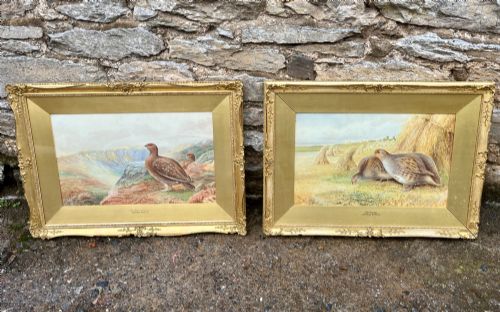
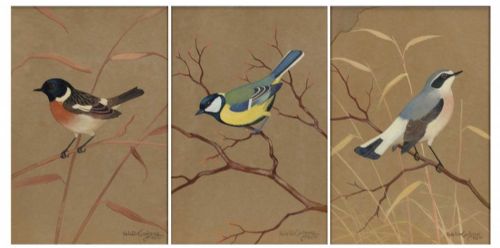
Topographical views, local fauna, and military history dominate the available material. Wildlife studies of game birds and Scottish terriers also appear frequently.
Clan genealogies and historical event records provide additional documentation of Scottish heritage.