

Antique Scottish Bowl
An antique scottish bowl brings centuries of regional metalwork and ceramic craft straight to the table, offering a tangible piece of northern heritage.
Antique Scottish Bowl
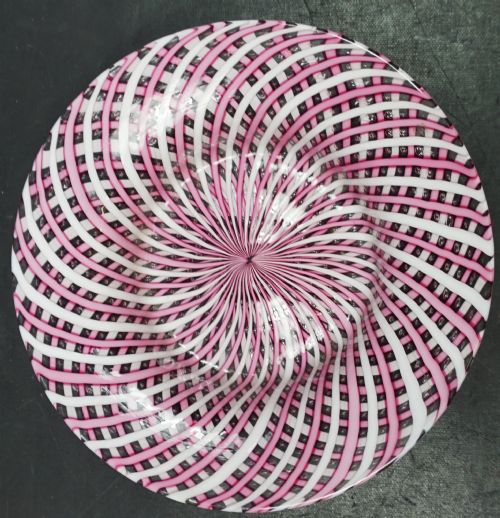
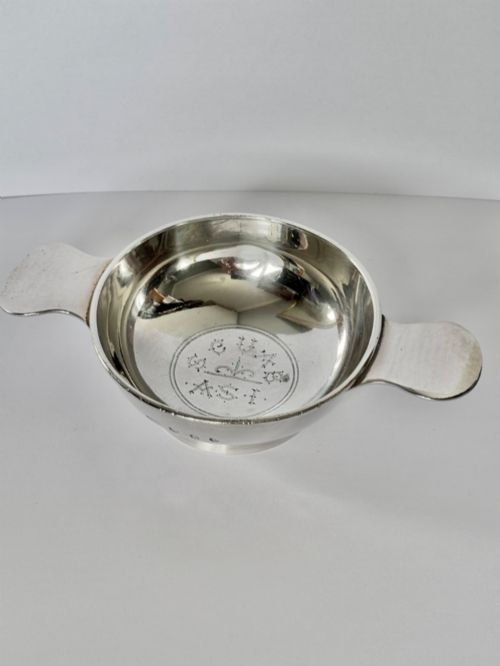
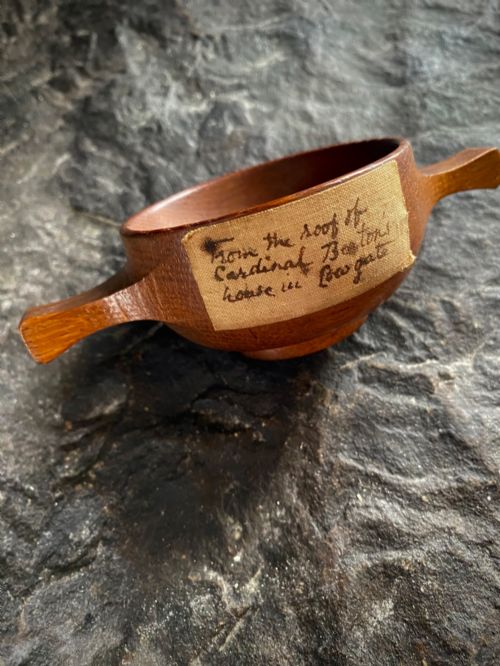
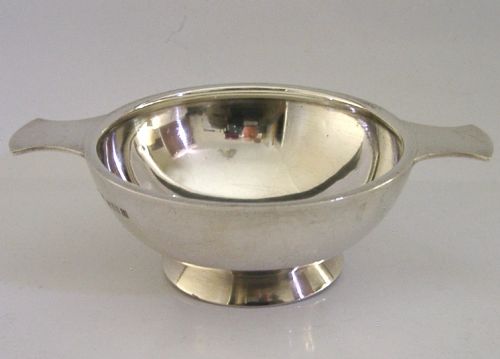
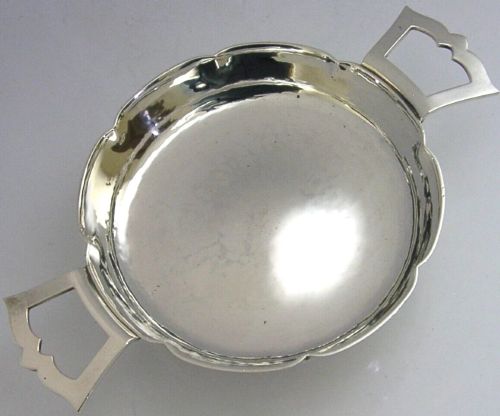
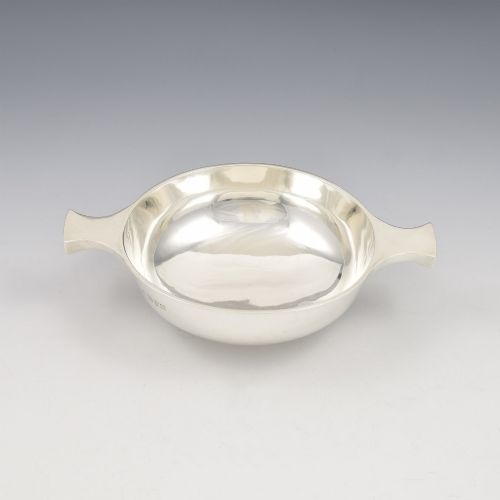
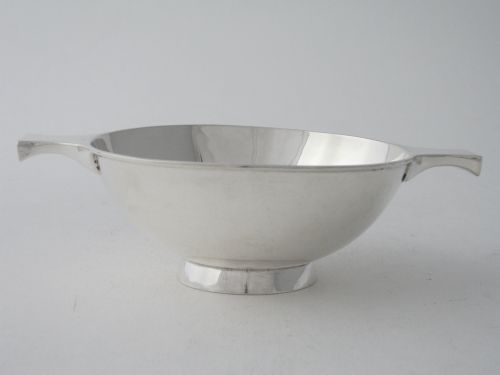
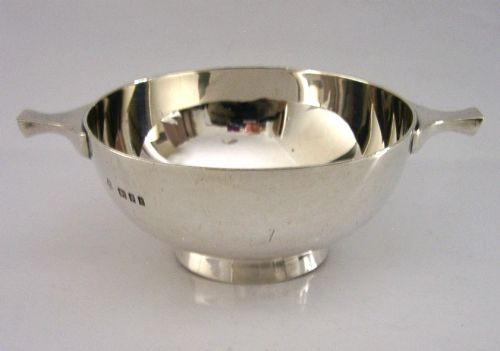
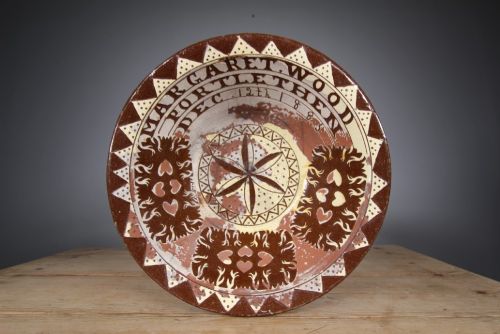
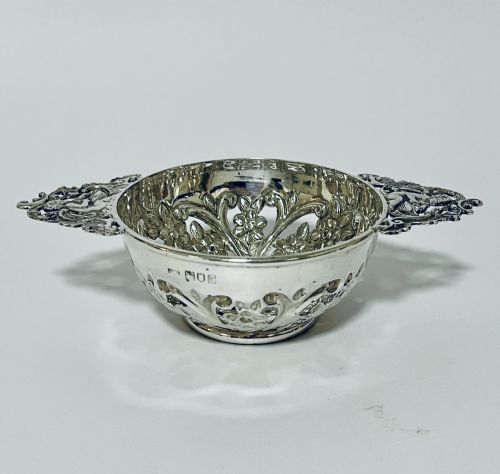
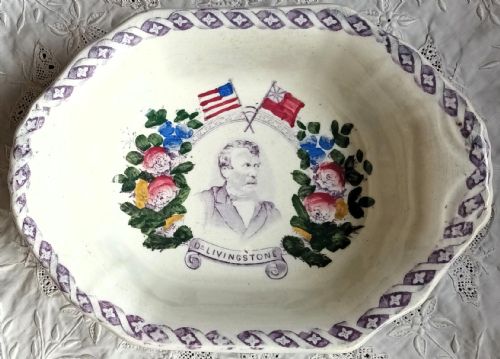
An antique scottish bowl encompasses traditional drinking vessels like the twin-handled quaich alongside earthen dairy vessels, commemorative pottery dishes, and art glass pieces. Buyers seeking this phrase encounter items spanning the Georgian, Victorian, and Edwardian eras, through to the mid-twentieth century.
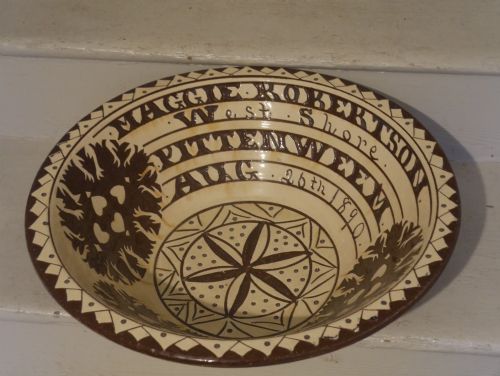
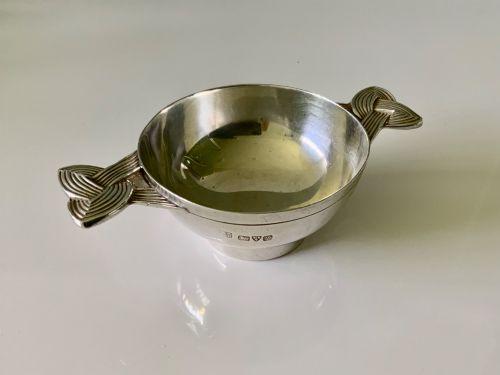
The regional forms range from heavy sterling silver drinking vessels with characteristic twin lugs to rustic slip-glazed earthenware and vibrant mottled art glass. Silver quaichs dominate the refined end of the market, while earthenware and stoneware examples represent domestic and provincial production.
Materials and construction
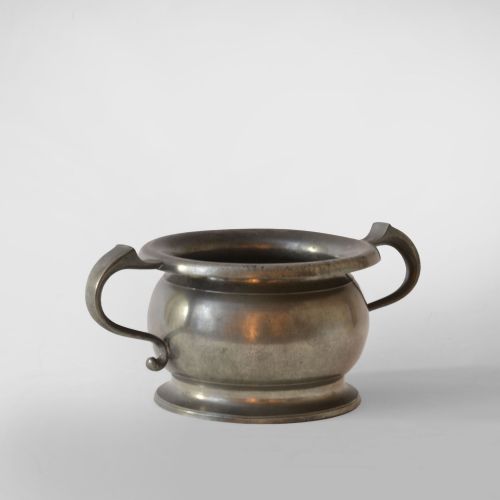
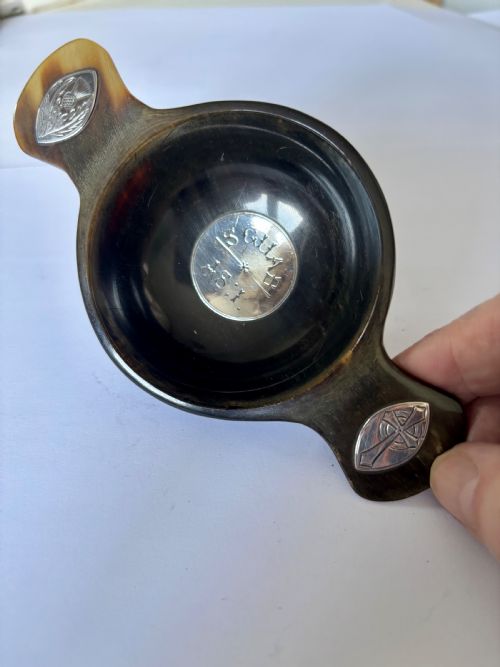
Makers utilised sterling silver, pewter, and silver plate for formal metalwork, often applying planishing marks or Celtic Revival motifs by hand. Horn and silver mounts appear on select traditional pieces, demonstrating regional diversification in handling natural materials.
Ceramic pieces rely on earthenware and slip glaze techniques, while art glass production incorporates mottled coloured layers fused during shaping. Silversmiths hammered sheet metal and cast handles separately before soldering or riveting them to the main body.
Antique Scottish Bowl Retail Price Guide 2026
Typical asking prices for scottish bowl among the pieces listed under this phrase on Sellingantiques today, from the lower quarter to the upper quarter. They describe what is for sale here now, not the wider market.
Listings feature sterling silver, earthenware, pewter, and art glass spanning the Georgian period to the mid-twentieth century.
Judging standard and execution
Quality rests upon the crispness of hallmarks, the weight of the metal, and the deliberate balance of the twin handles on silver vessels. Finer items exhibit precise hand-beating and clean joins rather than mass-produced uniformity.
In ceramics and glass, the depth of the glaze, the control of the slip patterns, and the absence of firing distortions distinguish superior studio and pottery output from utilitarian kitchenware.
Nathan & Hayes·Seaton Pottery·Hamilton & Inches·W Scott·John McDonald·John Kincard·Mackay & Chisholm·Liberty Pewter Tudric·R E Stone
The Antique Scottish Bowl Glossary
- Quaich
- A traditional Scottish drinking vessel featuring a shallow circular bowl and two opposing flat handles called lugs. These were originally carved from wood before silversmiths adopted the form.
- Planished
- A metal surface finish achieved by hammering with a small round-headed tool. This leaves a pattern of gentle facets that catch the light.
- Slip Glaze
- Liquid clay applied over a coarser ceramic body to form surface decoration or a protective coating. It appears frequently on older provincial earthenware.
Antique Scottish Bowl: Frequently Asked Questions
How do I date a silver quaich?
Silver quaichs carry hallmarks stamped directly into the metal, indicating the assay office, the specific year letter, and the maker's mark.
Comparing these punch marks against standard reference tables provides the exact year of manufacture and confirms the silversmith.
What is slipware pottery?
Slipware involves coating an earthenware clay body with a liquid clay mixture before firing, allowing potters to trail decorative patterns across the surface.
This technique produced durable, highly decorative domestic dishes and dairy bowls across Scottish provincial potteries during the nineteenth century.
How do I clean antique silver bowls?
Antique silver requires gentle washing in warm soapy water using a soft cloth, avoiding abrasive dips that strip away desirable patination.
Regular careful handling and soft drying prevent moisture retention and keep the historic hallmarks clearly legible.