




Antique Score Marker
An antique score marker keeps the tally of a game, bringing nineteenth century craftsmanship directly into the games room.
Antique Score Marker
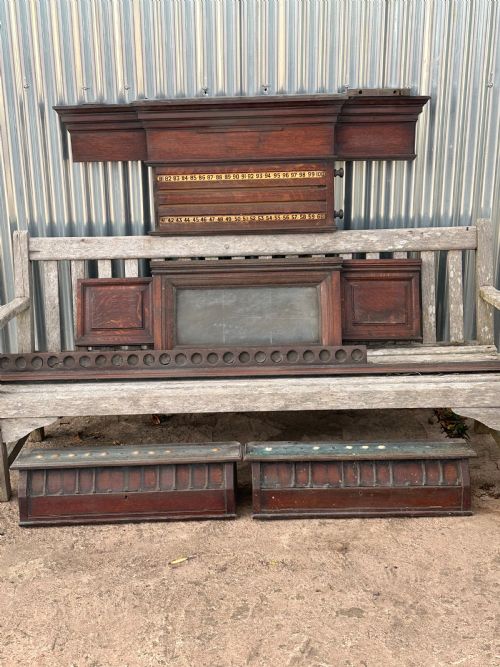
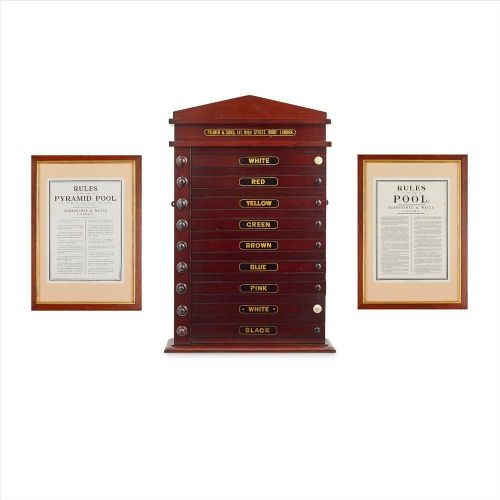
When you search for an antique score marker, you encounter a specialised piece of nineteenth century gaming equipment designed for billiards, snooker, pool, whist, and card games. These boards and counters recorded points during long matches in private homes and gentlemen's clubs alike.
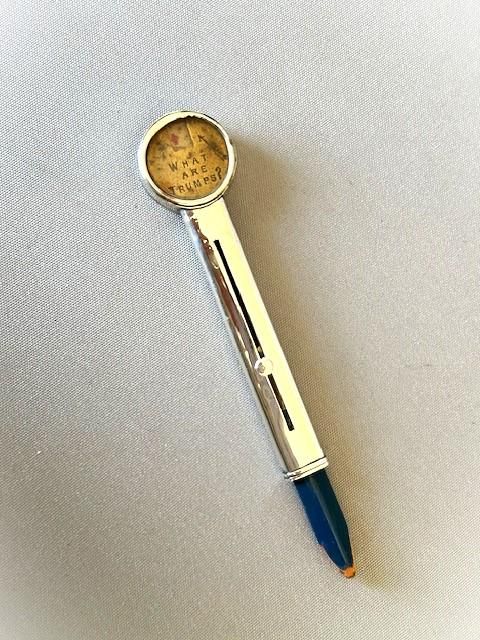
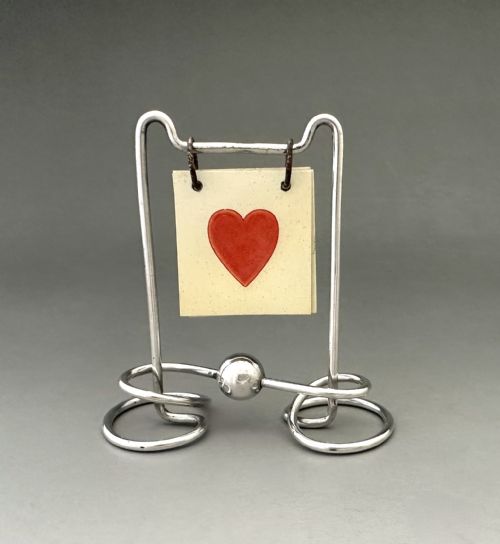
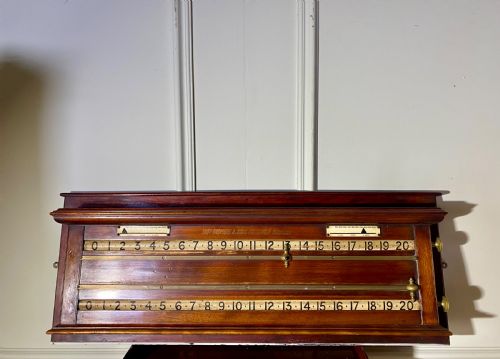
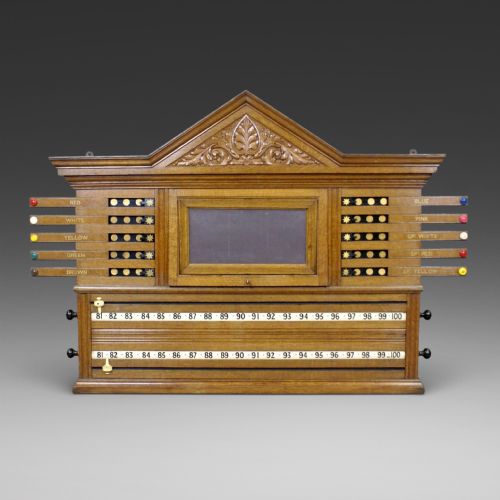
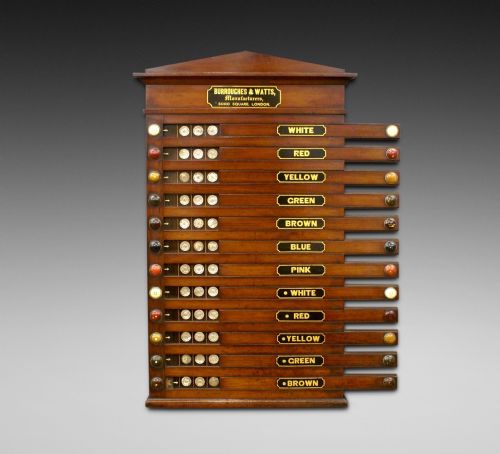
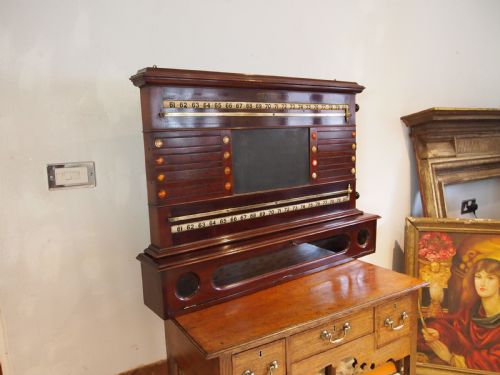
The most common versions met on this page are large wall-mounted wooden scoreboards alongside smaller tabletop accessories like porcelain whist counters and plated trump markers. Victorian and Edwardian examples dominate the selection, spanning the period from the 1860s through to 1910.
Makers such as Thurston and Co, Cox and Yeman, and Burroughes and Watts frequently signed these larger wooden boards, confirming their origins in professional billiard rooms. Smaller accessories often survive in fitted leather boxes, protecting delicate materials from daily wear.
Materials and construction
Makers utilised dense hardwoods like mahogany and pale oak to build the substantial frames required for billiard and snooker scoreboards. These timbers withstood heavy use in public and private rooms while providing a stable base for sliding markers and rotating dials.
Details were cast in brass and carved from bone, ivory, or porcelain to form the numeric indicators and pointers. Silver plating and glass also appeared on smaller card game accessories like trump markers, adding contrast to the timber and slate components.
Antique Score Marker Retail Price Guide 2026
Typical asking prices for score marker among the pieces listed under this phrase on Sellingantiques today, from the lower quarter to the upper quarter. They describe what is for sale here now, not the wider market.
Even the card players needed a brass indicator to settle arguments over who called the trump.
Distinctions in quality
Quality rests upon the maker's reputation and the integrity of the materials, separating standard club equipment from pieces commissioned for notable estates. Signed boards by established firms retain crisper lettering and finer timber selection.
The complexity of the scoring mechanism and the retention of original elements, such as matching bone pointers or fitted leather boxes, elevate an object's standing. Finer pieces demonstrate superior cabinetmaking and harmonious proportions across the entire board.
Thurston and Co of London·Cox and Yeman London·Burroughes and Watts
The Antique Score Marker Glossary
- Trump marker
- A small mechanical device used in card games to indicate the current trump suit. These often feature revolving dials or silver-plated indicators.
- Whist counter
- A portable device used to keep score during games of whist, frequently found housed in original leather boxes. They often utilise porcelain or bone dials.
- Life pool
- A variant of cue sports where players hold lives, reflected in the scoring boards designed with additional rows of markers. These boards accommodated multiple players in competitive matches.
- Slate
- A dense stone material utilised within specific scoreboards for writing surfaces or panel inserts. It provided a smooth, dark background for chalk markings.
Antique Score Marker: Frequently Asked Questions
What games do these markers cover?
The pieces span traditional cue sports including billiards, snooker, pool, and life pool. Other items cater to card games like whist by tracking suits and points.
Larger wooden boards serviced the billiard room, while compact counters sat on card tables in the drawing room.
How do you mount a scoreboard?
Large wooden scoreboards were built for wall mounting in billiard rooms and social clubs. They feature substantial timber frames designed to bear the weight of sliding markers.
Smaller items like whist counters and trump markers sit directly on tabletops without installation.
Are makers' names usually marked?
Prominent makers often stamped or plated their business names onto the wooden frames of billiard scoreboards. Firms like Thurston and Burroughes and Watts frequently signed their work.
Smaller accessories occasionally lack maker marks, relying instead on distinctive materials and design characteristics for identification.
What timber was used most?
Mahogany and oak appear most frequently across the nineteenth century boards listed here. Cabinetmakers favoured these durable hardwoods for their strength and rich grain.
Lighter pale oak examples also emerged toward the end of the nineteenth century during the Edwardian transition.