







Antique Scientific Tool
An antique scientific tool brings physical precision into your hands, offering brass dials, mahogany cases, and optical glass from centuries past.
Antique Scientific Tool
When you search for an antique scientific tool, you encounter precision instruments designed for navigation, surveying, measurement, and drafting. These pieces originate from periods spanning the eighteenth century through to the early twentieth century, encompassing Georgian, Victorian, and Edwardian eras.
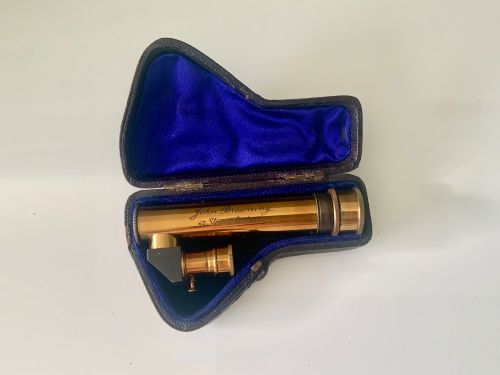
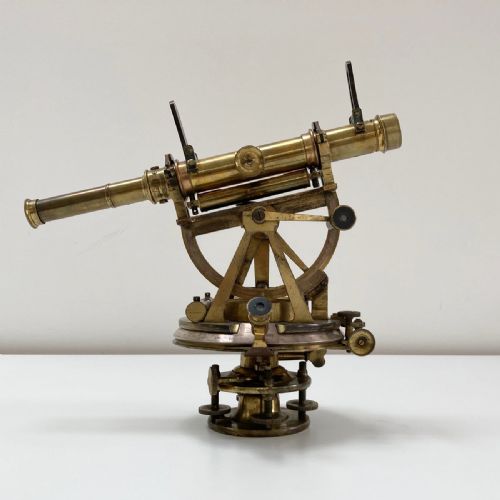
The versions you meet most frequently on this page include portable sundials, drafting pantographs, marine instruments, and surveying levels. Makers such as John Browning, L Casella, and W. H. Harling produced these items for professional cartographers, architects, mariners, and scientists.
Materials and construction
Makers constructed these instruments using durable metals like brass and lacquered metal, paired with optical glass for lenses and mirrors. These components were engineered to withstand rigorous field use while maintaining mechanical accuracy.
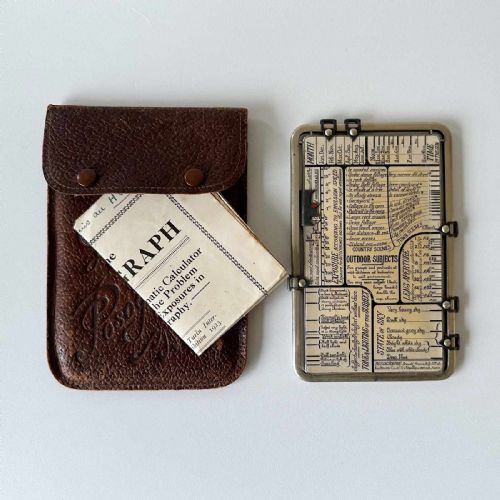
Casing and mounting required fine cabinetmaking, utilising timbers such as mahogany and general wood, often lined with velvet and fitted with paper instruction charts or leather elements. Precision engraving on metal surfaces marked scales, degrees, and maker signatures.
Antique Scientific Tool Retail Price Guide 2026
Typical asking prices for scientific tool among the pieces listed under this phrase on Sellingantiques today, from the lower quarter to the upper quarter. They describe what is for sale here now, not the wider market.
Hot bed thermometers measured soil warmth to secure successful nineteenth-century melon harvests.
Judgments of quality
Quality rests upon the precision of the mechanical movement, the clarity of the engraved graduations, and the integrity of the original optics. Instruments bearing signatures of renowned makers or retailers generally demonstrate superior calibration and finishing.
The survival of original fitted cases, such as mahogany boxes lined with velvet, preserves the instrument and indicates higher initial expenditure. Completeness of ancillary components, like compass needles or replacement lenses, distinguishes a preserved set from a partial survivor.
John Browning Strand London·L Casella & Co·Patrick Adie of London·Thomas Dunn·W. H. Harling
The Antique Scientific Tool Glossary
- Spectroscope
- An optical instrument used to measure properties of light over a specific portion of the electromagnetic spectrum. It typically utilises prisms and lenses mounted in brass.
- Pantograph
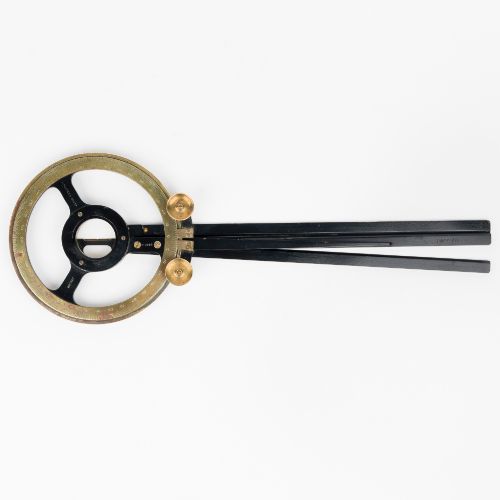
- A mechanical linkage connected in a parallelogram shape based on parallel geometric lines. Draftsmen and architects utilised it to scale drawings up or down accurately.
- Diptych-dial
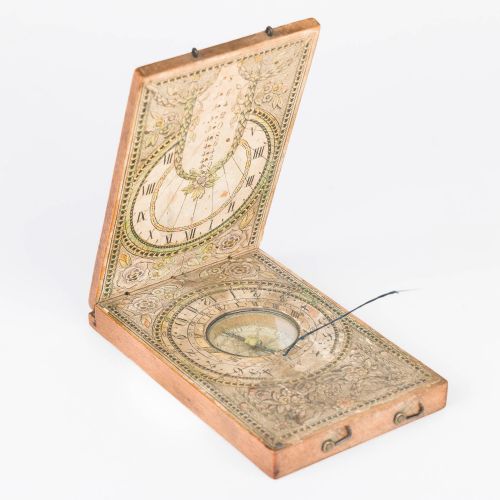
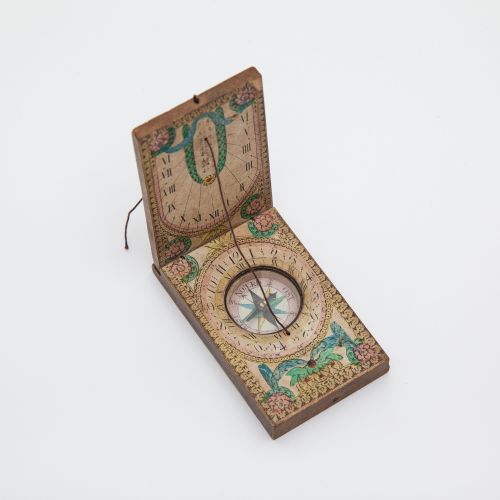
- A portable pocket sundial consisting of two small panels hinged together with a string gnomon and a compass inset. Travellers used it to tell time outdoors.
- Clinometer
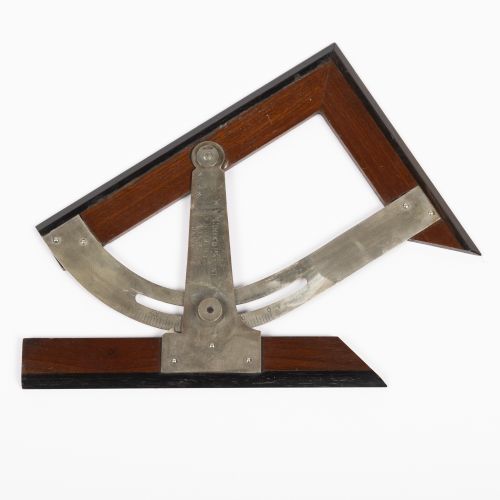
- An instrument used for measuring angles of slope, elevation, or depression of an object with respect to gravity. Surveyors and engineers relied on them for precise measurements.
- Hydrometer
- An instrument used for measuring the specific gravity of liquids based on buoyancy. The Sikes hydrometer set was standard for determining spirit strengths.
Antique Scientific Tool: Frequently Asked Questions
What did people use a pantograph for?
Draftsmen and architects used pantographs to copy maps, plans, and drawings at a different scale. The interconnected wooden or brass arms traced an original design while a pencil duplicated the strokes larger or smaller.
These instruments were essential before photographic copying became widespread, allowing precise reproduction of architectural and cartographic documents.
How do I date an early surveying level?
Dating relies on mechanical styles, typography of the maker's signature, and associated case materials like mahogany. Instruments from the early nineteenth century often feature hand-engraved scales and specific brass patination.
Makers frequently inscribed their addresses or patent details onto the metal plates, which can be cross-referenced with trade directories from the Georgian and Victorian eras.
Are portable sundials accurate outdoors?
Portable diptych dials use a folding string gnomon and an integrated magnetic compass to align with true north. When properly leveled and oriented, they provide reliable solar time.
Natural magnetic variation and wear on the compass hinge can introduce slight discrepancies, so modern users adjust for local magnetic declination.
Why are mahogany cases important for instruments?
Fitted mahogany cases protected delicate brass mechanisms, glass lenses, and magnetic needles from moisture and impact during transport. Velvet or leather linings held each component securely in place.
Finding an instrument in its original matching case indicates that the set remained together and received careful handling by its previous owners.