




Antique Scientific Instrument Stand
An antique scientific instrument stand anchors precision lenses, globes, and meteorological devices, offering a tangible piece of working history for your study or desk.
Antique Scientific Instrument Stand
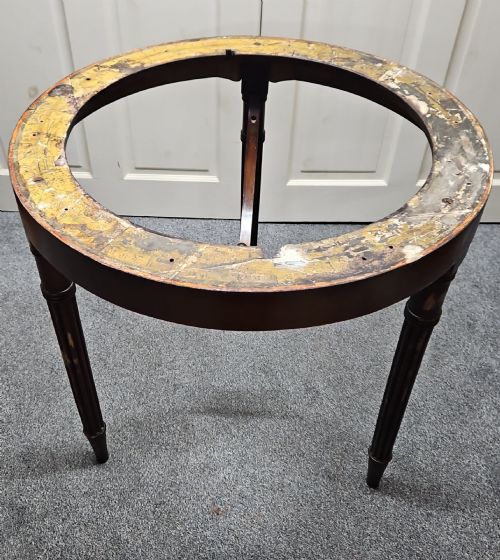
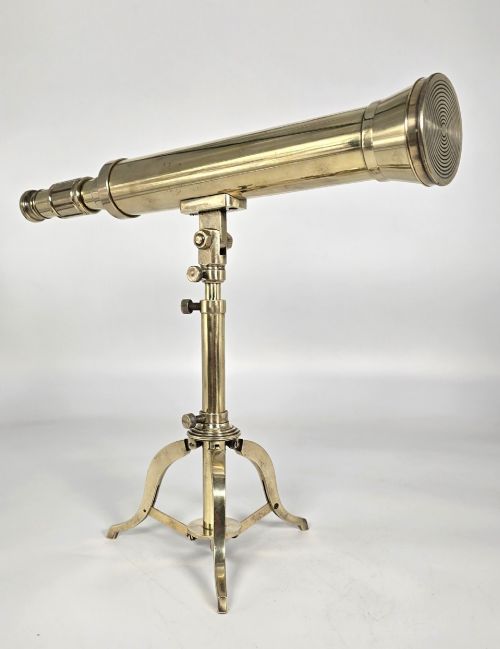
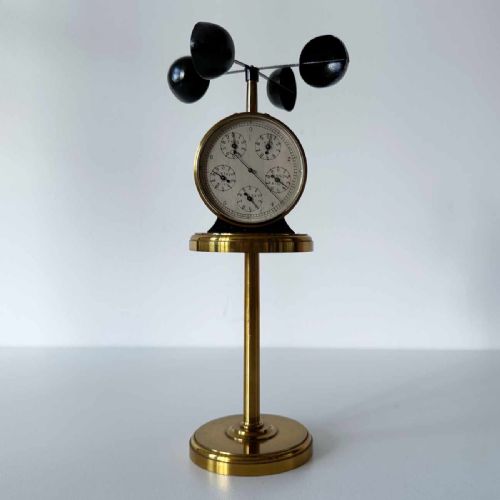
An antique scientific instrument stand encompasses the specialised mountings designed to support optical, meteorological, and navigational devices such as telescopes, barometers, and globes. These structural supports range from folding brass tripods to heavy ebonised wood bases and serpentine desk plinths.
The pieces available on this page trace the technological developments of the eighteenth, nineteenth, and early twentieth centuries. You will encounter robust mahogany and polished brass assemblies alongside intricate desk stands created for scientific study.
Makers of these scientific foundations integrated stability with functional elegance, ensuring instruments remained level and secure during observation. The variety reflects the diverse requirements of astronomers, mariners, and Victorian drawing-room scientists.
Materials and construction
Makers relied heavily on polished brass and dense hardwoods such as mahogany and ebonised wood to build these scientific instrument stands. Brass provided the durability and anti-corrosive qualities needed for delicate mechanical joints and folding tripod legs.
Wood was turned, polished, and weighted to create stable desk bases, sometimes incorporating materials like paper and glass within the broader instrument assemblies. Metal casting and precision turning ensured that components fit together with exact tolerances.
Antique Scientific Instrument Stand Retail Price Guide 2026
Typical asking prices for scientific instrument stand among the pieces listed under this phrase on Sellingantiques today, from the lower quarter to the upper quarter. They describe what is for sale here now, not the wider market.
Judging quality and craftsmanship
The distinction between standard utility stands and exceptional examples lies in the precision of the mechanical joints and the quality of the casting. Superior brass stands feature crisp engraving, fluid movement in their folding legs, and substantial weight.
Finer desk stands utilise high-grade hardwoods and specialised mineral bases like serpentine, showing meticulous attention to balance and proportion. The integration between the stand and the scientific instrument itself indicates the original maker's ambition and skill.
Thomas Rubergall·J Hicks·W. & T. Gilbert·Clarkson·Steward of London·Negretti & Zambra·Chadburn Brothers·Matthew Berge·G.adams·W Watson·Pillischer
The Antique Scientific Instrument Stand Glossary
- Tripod stand
- A three-legged folding or fixed support structure designed to maintain stability on uneven surfaces. They are frequently encountered in brass alongside portable optical instruments.
- Ebonised wood
- Timber treated to imitate dense, black ebony wood, often utilised for Victorian desk barometer and thermometer bases. This finish provided a formal appearance suited to nineteenth-century interiors.
- Serpentine base
- A decorative mineral or stone plinth exhibiting a wavy, undulating profile, typically supporting heavy desk meteorological instruments. The stone added necessary weight to anchor delicate mechanical dials.
- Theodolite
- A precision optical instrument used for measuring angles in surveying and triangulation, mounted securely on a dedicated leveling stand. These complete assemblies represent the peak of field engineering.
Antique Scientific Instrument Stand: Frequently Asked Questions
What instruments require these stands?
These specialised supports accommodate telescopes, desk barometers, thermometers, globes, and surveying instruments. Each stand was engineered to hold its specific device securely at the correct viewing or operational angle.
Many stands incorporate folding mechanisms or weighted bases designed to keep precision instruments steady during use in the field or the study.
How do I date a scientific stand?
Dating relies on the combination of materials, construction techniques, and any engraved maker signatures or period styles present. Georgian and Regency pieces often showcase simpler turned wood or cast brass forms, while Victorian examples introduce heavier ebonised bases and serpentine stones.
Examining the screw threads and method of metal assembly also provides clear indicators of manufacturing period, as machining standards shifted significantly from the eighteenth to the twentieth century.
Were these stands made separately from the instruments?
Scientific instrument makers typically produced the stand as an integrated component of the complete apparatus, ensuring precise calibration and fitting. Master opticians and instrument makers signed both the instrument and occasionally the mounting hardware.
While some stands were replaced or modified over long working lives, the finest survivals maintain their original factory pairing from workshops in London, Sheffield, and beyond.
How should I display a brass stand?
Display these brass and hardwood pieces on sturdy desks, tables, or specialised shelving where their mechanical details can be appreciated up close. Ensure they are placed away from excessive moisture to preserve the polished metal surfaces and traditional wood finishes.
Allowing adequate space around the stand highlights the sculptural quality of the folding legs, gimbals, and weighted desk mounts.