

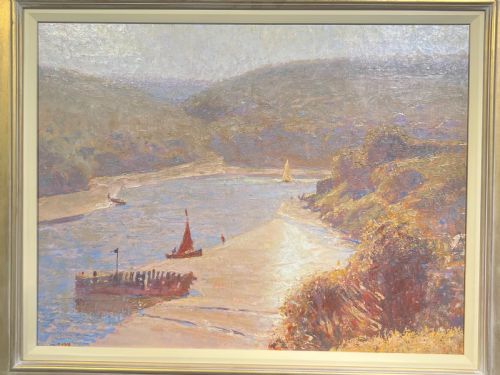
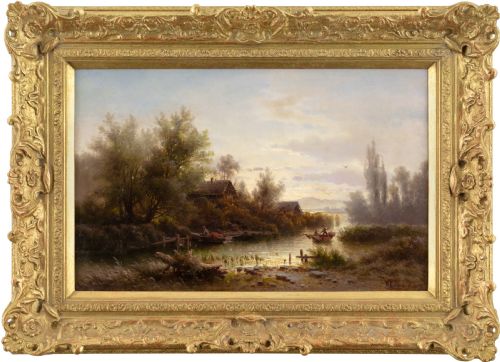
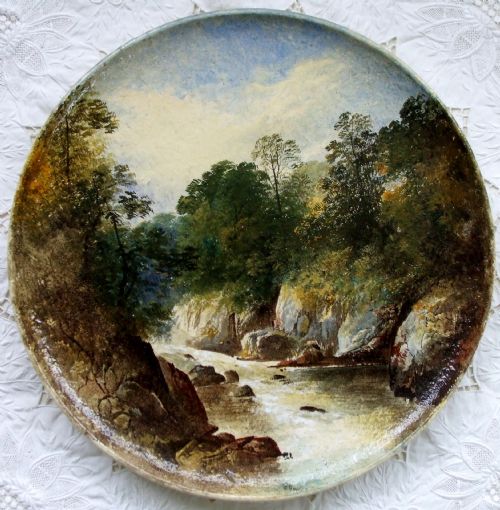
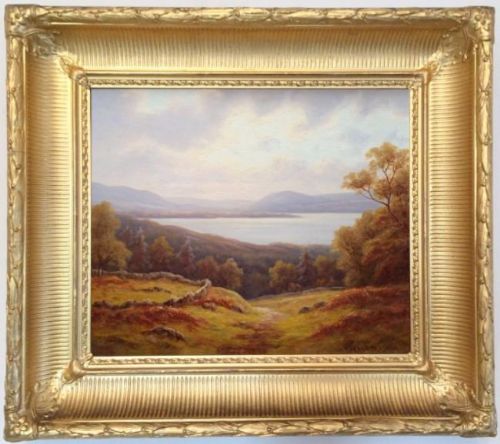
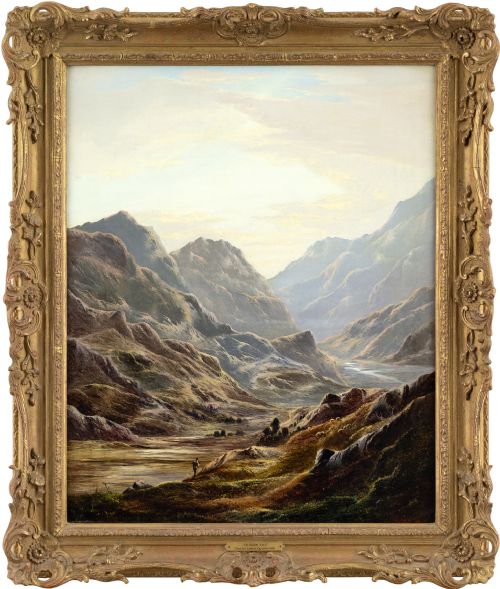
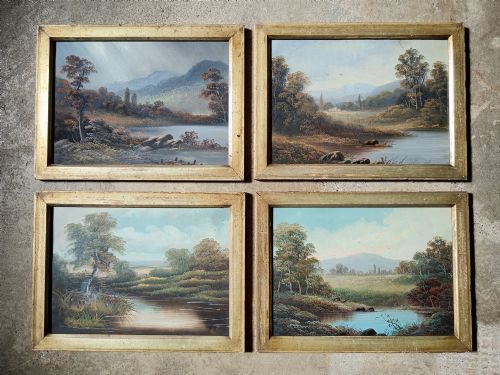


Antique Scenery Painting
When you search for an antique scenery painting, you step into landscapes captured in oils and watercolours across the nineteenth and twentieth centuries.
Antique Scenery Painting
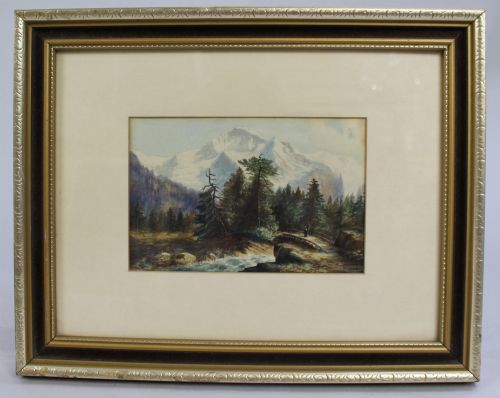
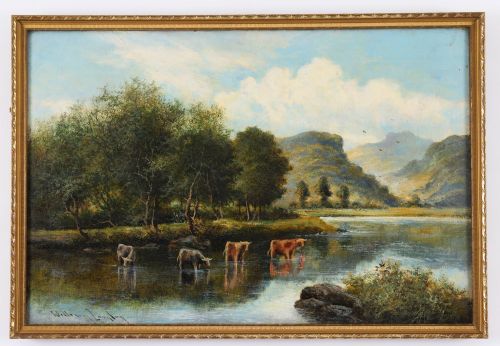
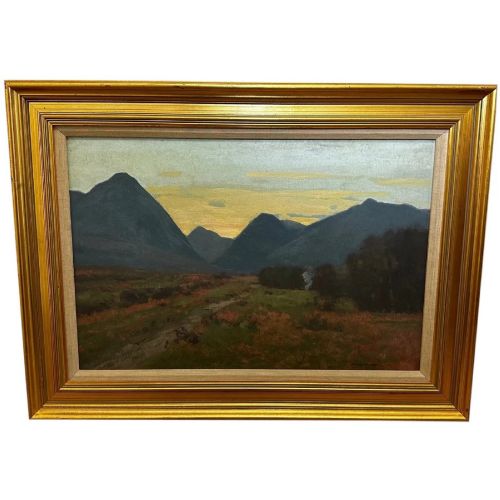
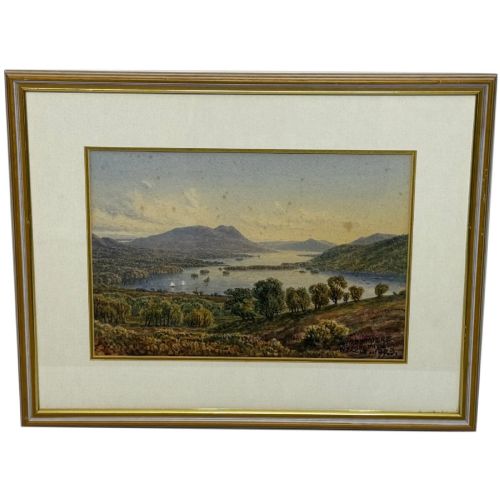
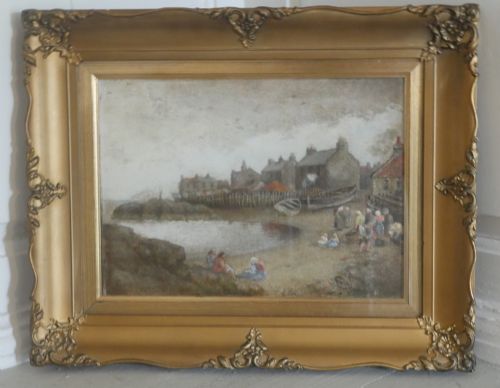
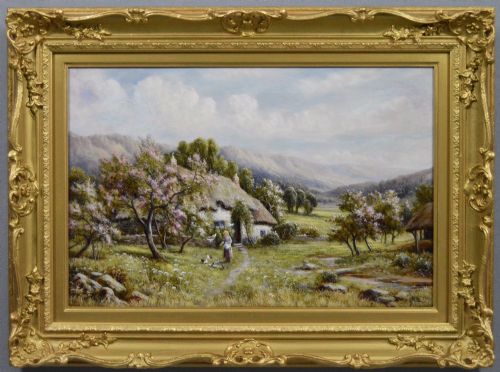
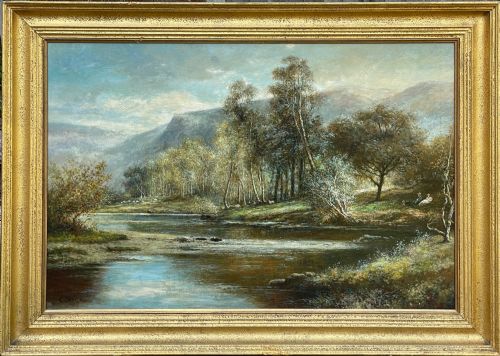
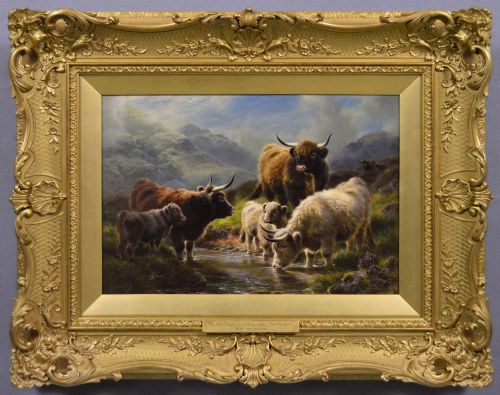
An antique scenery painting captures topographical views, rural vistas, and coastal harbours on canvas, paper, wood, and ceramic plaques. These works record pastoral scenes, Highland cattle, and mountain lakes through the eyes of period artists.
The versions most commonly met on this page originate from the Victorian, Edwardian, and early twentieth-century periods. They include framed oil paintings and watercolours depicting British, Scottish, Welsh, and continental views.
Framing often complements the artwork, utilising period materials such as giltwood and gesso to house the landscape securely. Works range from intimate watercolours to large oil compositions on canvas.
How they were made
Artists applied oil paint or watercolour to supports including stretched canvas, heavy paper, wood panels, and ceramic plaques. Pigments were blended to render light on water, foliage, and stone.
Canvases and panels sit within protective surrounds, frequently set into decorative giltwood and gesso frames. Some pieces employ heavy opaque gouache or incorporate wood panels for structural support.
Antique Scenery Painting Retail Price Guide 2026
Typical asking prices for scenery painting among the pieces listed under this phrase on Sellingantiques today, from the lower quarter to the upper quarter. They describe what is for sale here now, not the wider market.
Listings feature works spanning the nineteenth and twentieth centuries, utilising oil on canvas, paper, wood, and gesso.
What varies in quality
The skill of the brushwork and the precision in rendering atmospheric light dictate the strength of a landscape. Masterly handling of perspective and natural detail distinguishes a compelling composition from a standard topographical record.
The preservation of the pigment surface and the integrity of the original support influence longevity. Original period frames that match the age and scale of the artwork add distinct character to the piece.
William Langley·William Taylor Longmire·George Houston·Robert John Hammond·Albert Rieger·William Watson Jnr·Charles Leslie·William Yale·Everett Watson Mellor·John Grenville Fennell·Sidney Richard Percy·John Wright Oakes·Karl Herrle·Harry Pennell·John Falconar Slater·Alfred de Breanski·Amos Green·William Hoggatt·Noel Harry Leaver·Alexis De Leeuw·Frederick Golden Short·Samuel Towers·Ernest Higgins Rigg·Jack R Mould
The Antique Scenery Painting Glossary
- Giltwood
- Wood carved and covered with a thin layer of gold leaf. This material forms decorative frames designed to complement traditional landscape paintings.
- Gesso
- A paint mixture consisting of a neutral binder mixed with chalk, gypsum, or pigment. It is applied to wood frames to create a smooth surface for gilding.
- Watercolour
- A painting method in which the paints are made of pigments suspended in a water-based solution. Works on paper utilise this medium for translucent effects.
- Oil on canvas
- A technique using pigments bound with a drying oil applied to stretched woven fabric. This combination allows for rich colour blending and textured brushwork.
Antique Scenery Painting: Frequently Asked Questions
How do I hang a heavy oil painting?
Heavy oil paintings require secure picture hooks fixed directly into wall studs or solid masonry using appropriate wall plugs. Ensure the hanging wire and D-rings on the frame are robust enough to support the total weight.
Position the work at eye level, avoiding direct sunlight and damp environments that could damage the canvas and gilt frame over time.
Are watercolours sensitive to light?
Watercolours are painted on paper and are susceptible to fading when exposed to direct, strong sunlight for prolonged periods. Display these works away from windows or utilise glass with ultraviolet protection to preserve the pigments.
Rotating pieces or keeping them in rooms with controlled, indirect lighting helps maintain the vibrancy of the original colours.
How do I clean an antique frame?
Dust antique giltwood and gesso frames gently with a dry, soft brush or a clean microfiber cloth. Avoid using liquid cleaners, water, or chemical sprays, as these can strip the gold leaf or damage the underlying gesso.
For stubborn accumulated dust in carved crevices, use a very soft artist brush to sweep the particles away without applying pressure.
Can I date a painting by its stretcher?
The wooden stretcher frame behind a canvas often provides clues to age through the type of wood used, handmade wedges, and carpenter marks. Older stretchers typically feature pegged mortise and tenon joints rather than modern machine-cut metal corners.
Examining the canvas texture, tack holes, and framing nails alongside the stretcher helps confirm the period of the artwork.