




Antique Scandinavian Wood Carving
These pieces of antique scandinavian wood carving bring tactile warmth and regional character into a room through honest craftsmanship.
Antique Scandinavian Wood Carving
An antique scandinavian wood carving encompasses practical household objects, folk art figures, and furniture shaped from northern timbers across the eighteenth and nineteenth centuries. Buyers encounter utilitarian items such as mangle boards, bowls, and small boxes alongside sculptural figures of deer and birds.
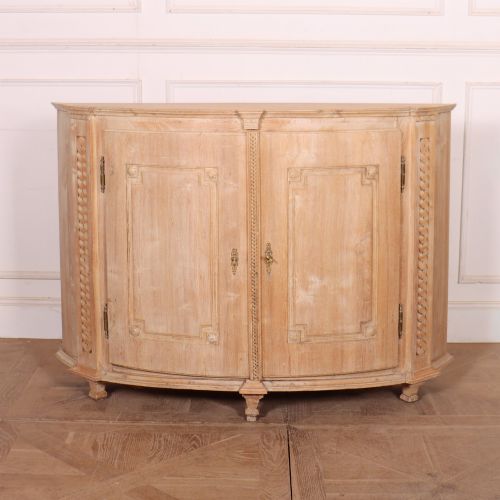
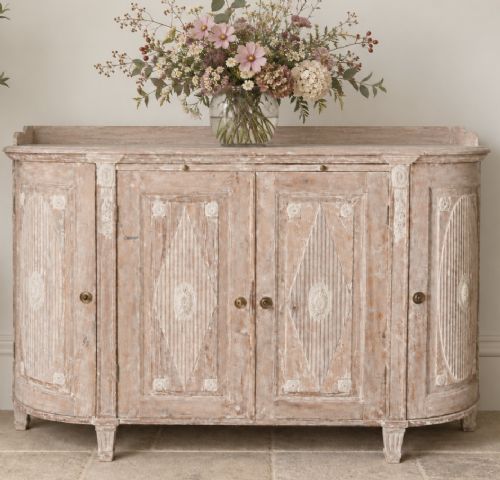
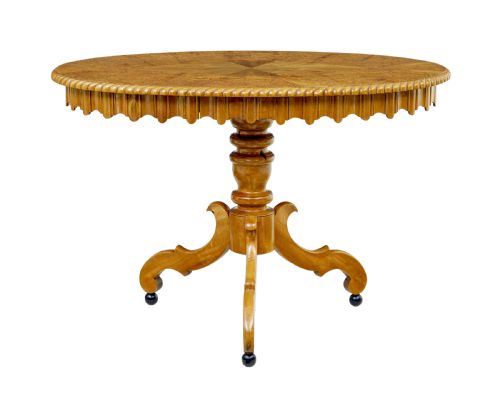
The material record on this page leans heavily toward regional furniture forms and domestic treen, showing how everyday items received careful decorative attention. Pieces range from early dated Norwegian mangle boards to painted Swedish folk art and refined burr birch tables.
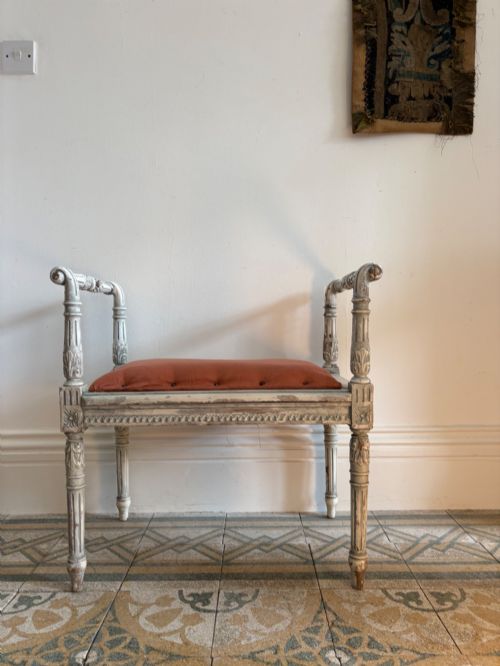
Origins span Sweden and Norway, crossing periods from the seventeen-hundreds through the early twentieth century. The selection reflects both rustic country traditions and higher-style movements like Gustavian and Biedermeier.
How They Were Made
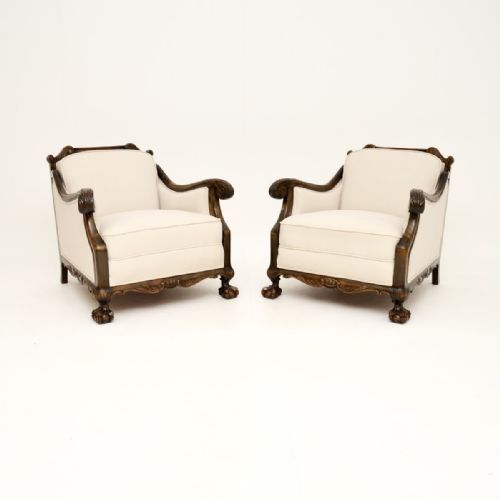
Maker-carvers selected native northern timbers, primarily birch, pine, and oak, often utilising burr, tiger, or pollard growths for striking natural grain patterns. These woods provided the dense, workable foundation necessary for intricate chip-carving and solid structural forms.
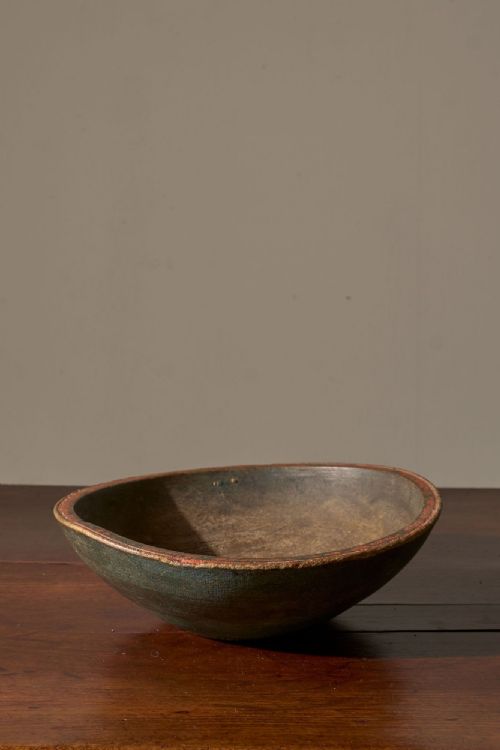
Surfaces were frequently finished with paint, revealing layered pigments on bowls, chairs, and architectural panels that softened the raw wood beneath. Hand tools shaped every surface, leaving tool marks that record the direct engagement of the maker with the timber.
Antique Scandinavian Wood Carving Retail Price Guide 2026
Typical asking prices for scandinavian wood carving among the pieces listed under this phrase on Sellingantiques today, from the lower quarter to the upper quarter. They describe what is for sale here now, not the wider market.
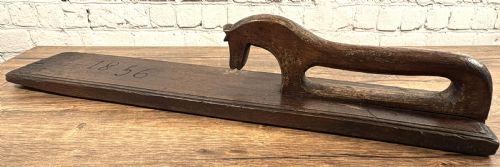
A carved wooden horse head keeps watch from the end of a domestic laundry tool.
What Varies In Quality
Quality rests in the crispness of the hand-carved detail, particularly on figural handles like horse heads and ceremonial animal motifs where depth and proportion dictate the piece's sculptural success. Finer examples display confident tool control that brings vitality to domestic objects and folk carvings.
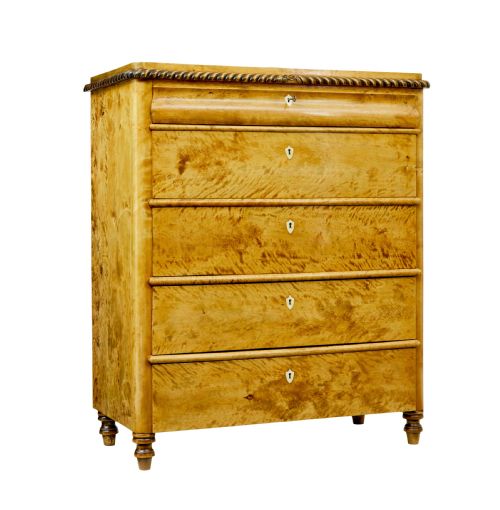
The choice of timber grain separates standard utility items from exceptional works, with figured burr and tiger birch adding optical movement to tables, chests, and small boxes. Original paint surfaces that survive with minimal intervention also elevate a piece above later refinished examples.
The Antique Scandinavian Wood Carving Glossary
- Mangle board
- A flat wooden board with a handle, used historically in Scandinavia with a roller to smooth linen fabrics. Carved examples often feature elaborate horse head terminals and marriage dates.
- Treen
- Small handmade wooden household objects created for functional daily use. Examples include platters, bowls, and strainers shaped from native hardwoods.
- Burr birch
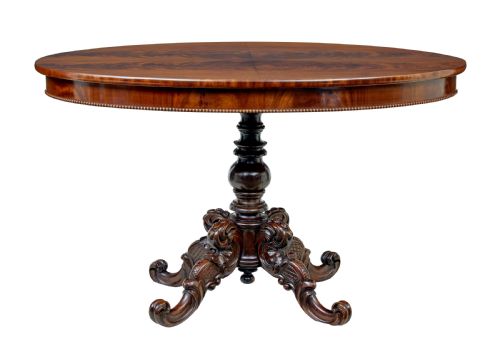
- A growth deformity in birch trees that produces highly swirled, knotted grain patterns. Cabinetmakers prized this timber for veneering prominent furniture surfaces.
- Gustavian
- The Swedish neoclassical design style spanning the late eighteenth and early nineteenth centuries. It translates continental French taste into simpler, lighter forms with pale painted finishes.
- Biedermeier
- A central European style emphasising clean lines and utilitarian comfort over excessive ornamentation. Scandinavian interpretations made extensive use of native birch veneers.
Antique Scandinavian Wood Carving: Frequently Asked Questions
What is an antique mangle board?
A mangle board is a historic Scandinavian laundry tool consisting of a flat wooden panel with a carved handle, used alongside a rolling pin to press linen smooth. They were often given as betrothal gifts, which explains the intricate carving and carved dates found on them.
Today, these boards function primarily as wall-hanging sculptures or decorative shelf objects. Their sculptural handles, often shaped as horses or lions, showcase the vernacular artistry of rural carvers.
How do I care for antique wood carvings?
Keep antique wooden objects away from direct heat sources and strong sunlight to prevent the timber from drying out and splitting. Maintaining stable room humidity preserves both the integrity of the wood and any historic painted surfaces.
Dust the carvings gently with a dry, soft cloth rather than using liquid polishes or modern cleaning sprays. Unfinished woods and painted pieces react poorly to chemical cleaners, which can strip away historic patination.
What is Scandinavian folk art?
Scandinavian folk art encompasses decorative and utilitarian objects made by rural craftspeople outside academic guild traditions. It includes carved animal figures, painted bowls, and decorated boxes featuring regional motifs and bright pigments.
These pieces reflect local cultural heritage and domestic traditions rather than high-fashion urban styles. Their charm lies in their direct expression and the individual hand of the maker.
How do I identify birch furniture?
Birch is a pale hardwood with a fine, even texture that takes on a warm golden tone as it ages. Variations like burr, tiger, and pollard birch display distinctive swirling patterns or dark striations across the surface.
Swedish cabinetmakers frequently utilised birch as a primary timber for tables, chairs, and chests of drawers during the eighteenth and nineteenth centuries. Its blonde appearance contributed to the light, airy aesthetic characteristic of northern interiors.