

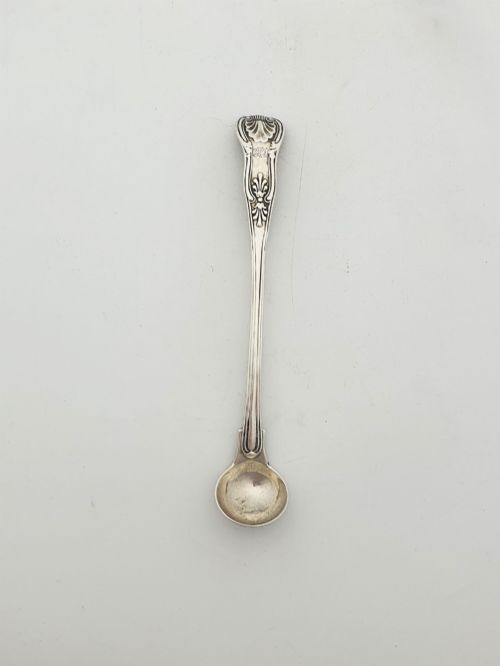
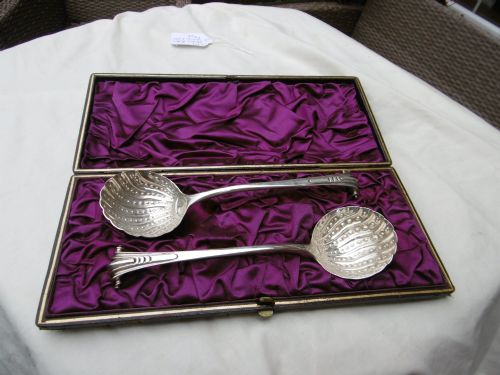
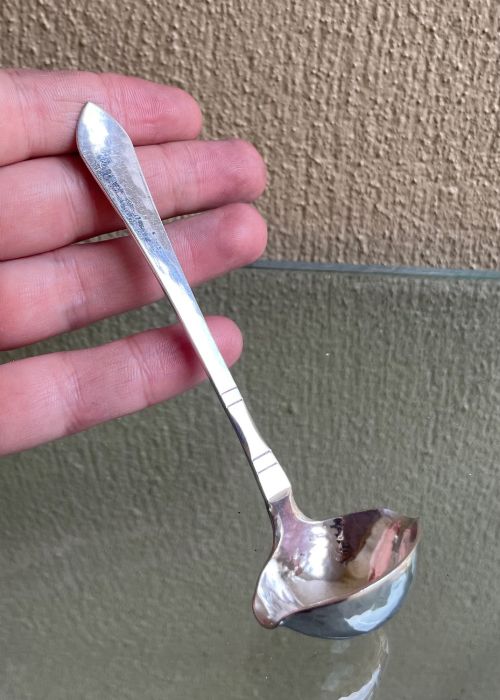
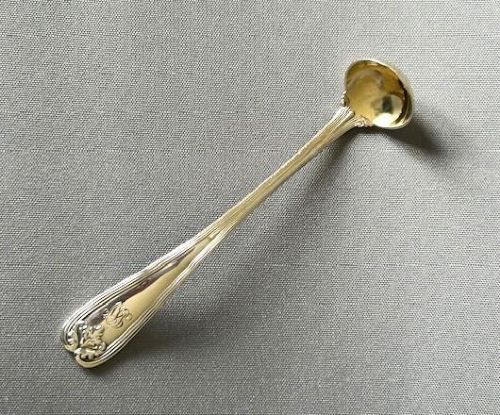


Antique Sauce Spoon
An antique sauce spoon is a small, purposeful ladle designed for table service, and you are most likely to meet sterling silver examples from the Georgian and Victorian periods on this page.
Antique Sauce Spoon
When you search for an antique sauce spoon, you are looking at small ladles and serving utensils created to dispense gravies, cream, and condiments at the dining table. These pieces span several centuries of design, with the Georgian and Victorian eras providing the majority of the domestic silver forms found in collections today.
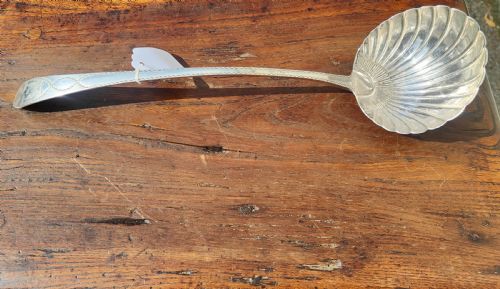
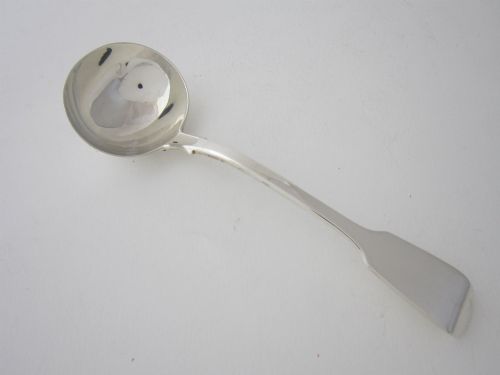
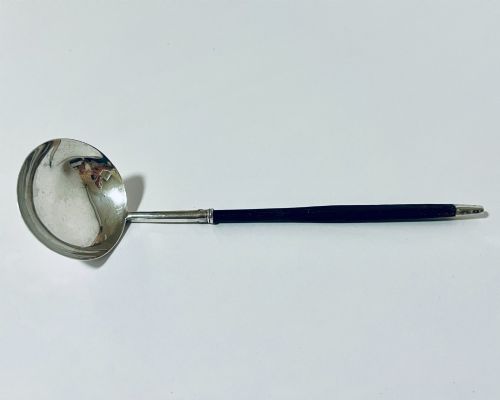
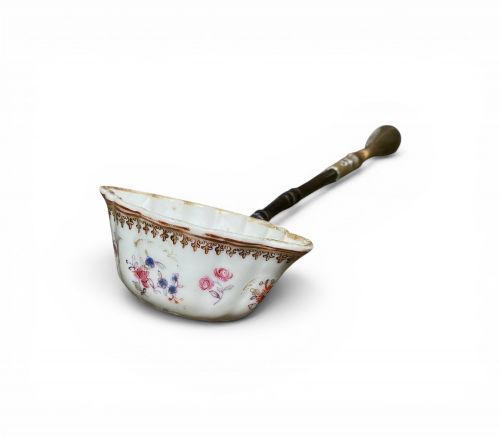
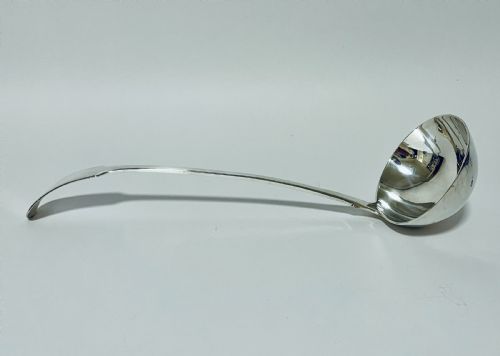
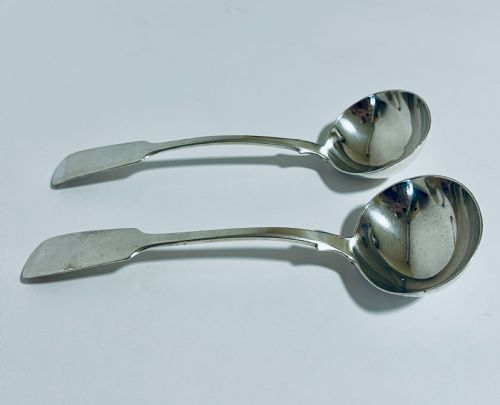
The objects take various specific shapes, including fiddle pattern ladles, gravy spoons, and specialised condiment servers with bowls sized for sauce boats. While the standard English and Irish sterling silver versions dominate, international variants such as Danish Modern pieces and Chinese porcelain ladles also appear in the record.
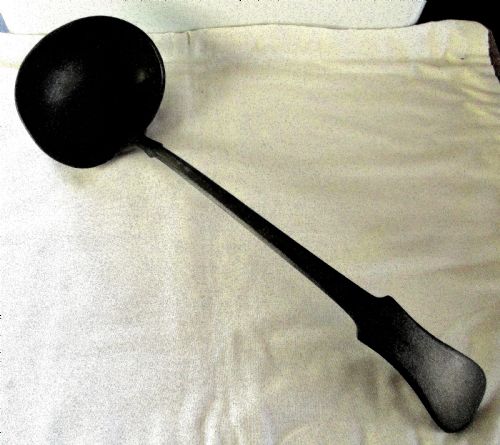
Makers often aligned these utensils with broader flatware services, resulting in matched pairs or sets featuring traditional regional patterns. Alongside standard silver, the evidence includes porcelain, horn, and pewter examples that reflect the wider materials used across the eighteenth and nineteenth centuries.
Materials and construction
Silversmiths shaped most traditional pieces from sterling silver or silver plate, hammering and casting the metal to form the curved bowls and handles. Hallmarks stamped into the silver record the assay office, standard, and date of manufacture, providing a reliable paper trail for British and Irish items.
Makers also incorporated alternative materials such as porcelain with hand-painted enamel decoration, wood, horn, and pewter. These varied substrates required entirely different workshop techniques, from ceramic firing to metal spinning, which shaped the final profile of each utensil.
Antique Sauce Spoon Retail Price Guide 2026
Typical asking prices for sauce spoon among the pieces listed under this phrase on Sellingantiques today, from the lower quarter to the upper quarter. They describe what is for sale here now, not the wider market.
Victorian dining tables sometimes featured silver-plated spoon warmers shaped like tiny sauce boats to keep the gravy from congealing.
Assessing quality in service ladles
The calibre of a piece rests primarily on the crispness of its chasing, engraving, and pattern work, such as fiddle, thread, and shell motifs. Heavy gauge silver provides a reassuring weight in the hand, whereas thinner metal or worn plating indicates a lower tier of production.
The reputation of the workshop also dictates standing, with recognised makers commanding greater attention from collectors. Condition plays a supporting role, where original bowls retain their intended depth and shape without thinning from centuries of polishing.
Dixon And Son·Hester Bateman·William Ferguson·Georg Jensen·Chawner And Co
The Antique Sauce Spoon Glossary
- Fiddle Pattern
- A popular nineteenth-century flatware design featuring a stem that flares near the terminal into a shape resembling a fiddle. This style is frequently found on Victorian sauce ladles.
- Punch Ladle
- A larger serving utensil with a deep bowl, often paired with whalebone or twisted wooden handles in eighteenth-century examples. They were designed for dispensing communal punch rather than table sauces.
- Silver Plate
- A base metal coated with a thin layer of silver, commonly utilised for Victorian novelty items such as spoon warmers. It offered an accessible alternative to solid sterling silver.
- Famille Rose
- A palette of Chinese ceramic glazes dominated by opaque pink or rose enamel, seen on eighteenth-century porcelain ladles. The style developed during the Qing dynasty.
Antique Sauce Spoon: Frequently Asked Questions
How do I date a silver sauce ladle?
British and Irish silver pieces usually bear a series of punchmarks that include a date letter, a lion passant indicating sterling standard, and a maker's mark.
Matching these stamped symbols against historical assay office records reveals the exact year and city of manufacture.
Were these ladles made as single pieces?
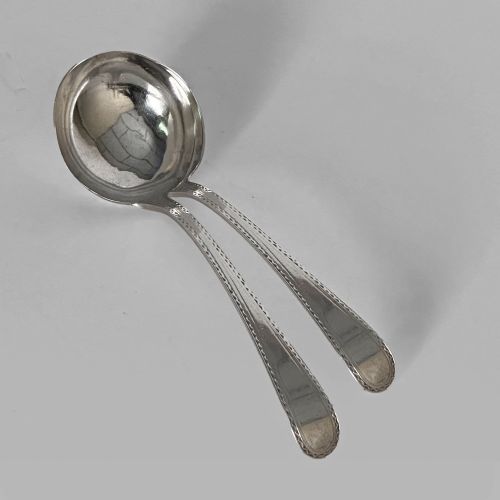
While many survive as individual items today, smiths frequently produced them in matching pairs to sit at either end of a long dining table.
Larger services occasionally included sets of four or more to accommodate multiple sauceboats during formal dining courses.
Can I use antique silver ladles for daily dining?
Solid silver utensils are durable enough for regular use, provided they receive gentle hand washing rather than abrasive machine cleaning.
Fine antique plating or fragile porcelain examples warrant more careful handling to preserve their historic surfaces.