


Antique Satinwood Mirror
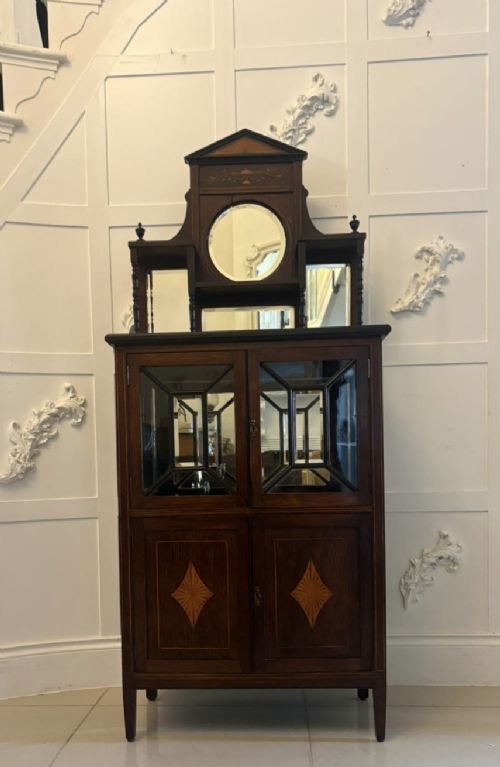
An antique satinwood mirror brings a luminous warmth to a room through pale, figured timber and clear reflective glass.
Antique Satinwood Mirror
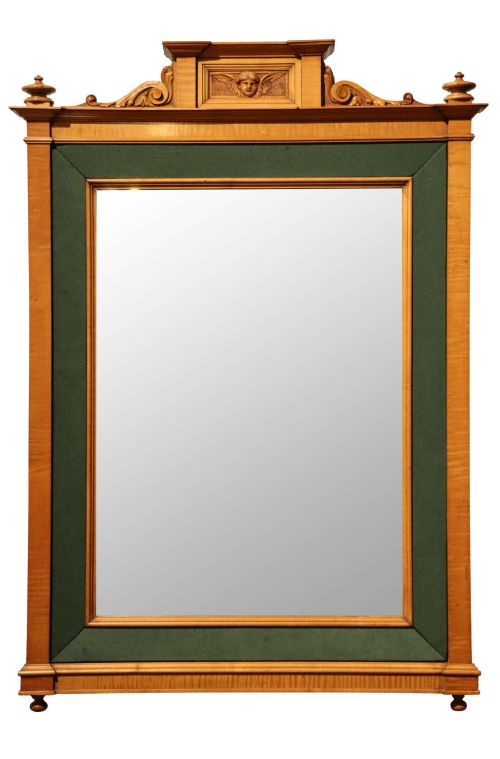
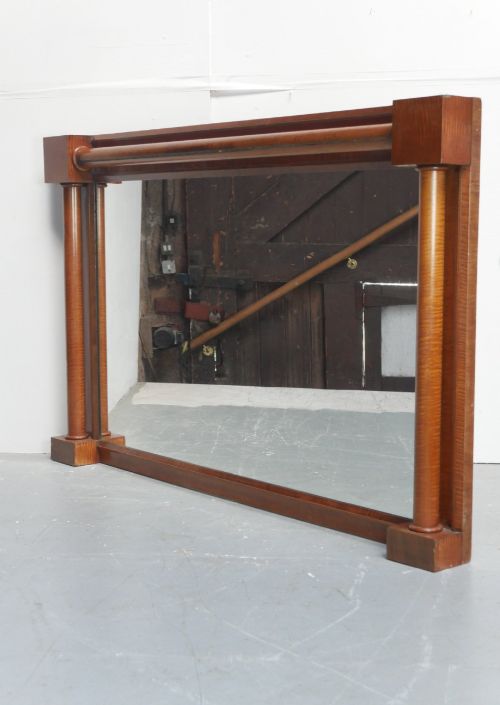
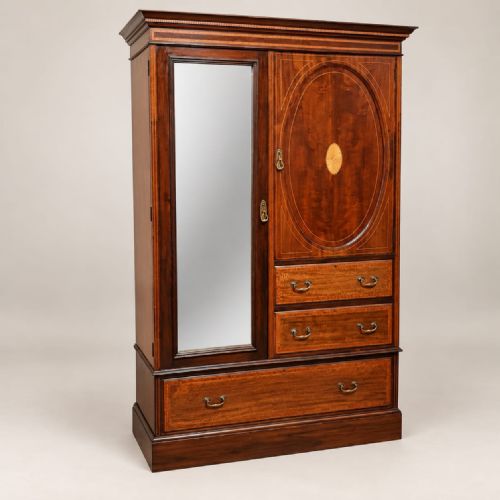
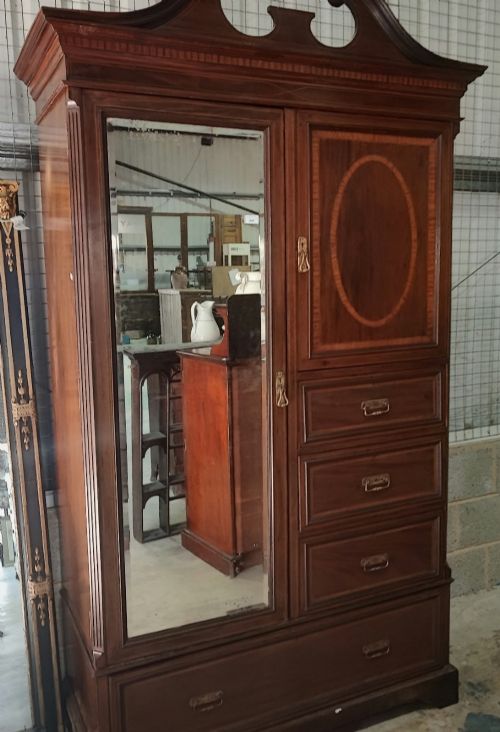
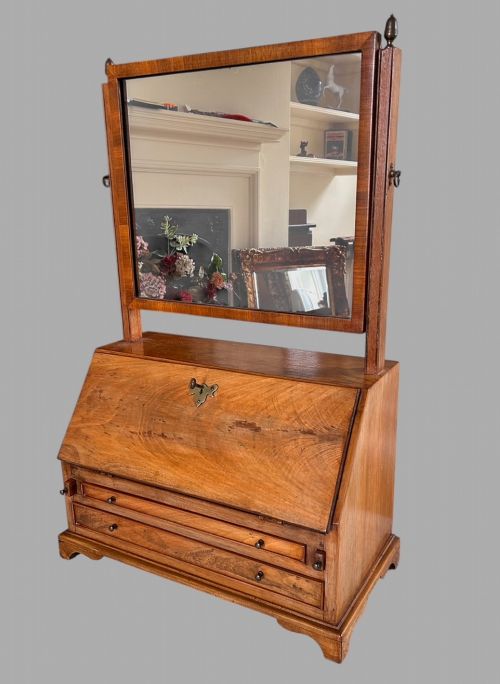
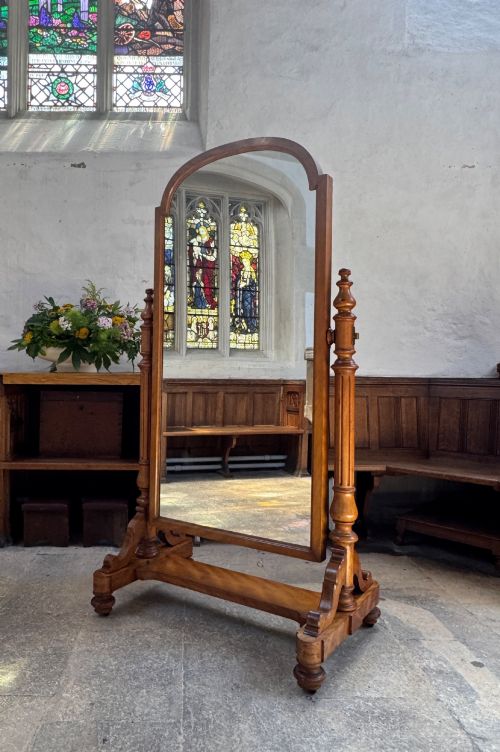
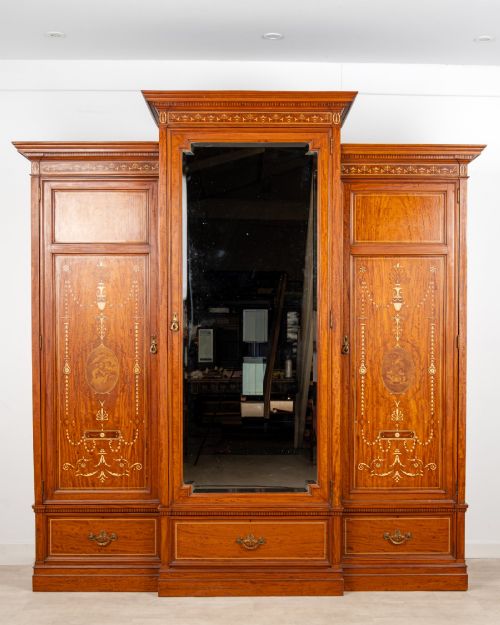
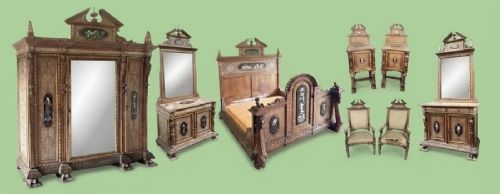
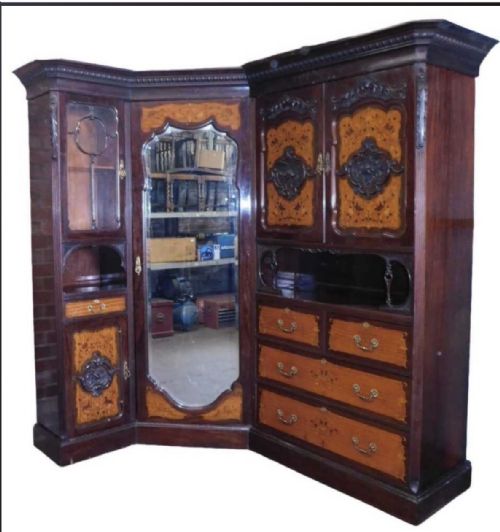
The pieces appearing on this page span the 19th century and the Edwardian epoch, displaying styles from Sheraton Revival to Aesthetic Movement and Art Deco. Many forms exist as part of larger bedroom suites, dressing tables, or wardrobes, while others survive as independent wall or cheval pieces.
Materials and construction
Cabinetmakers utilised dense native and exotic timbers, laying fine satinwood veneers over sturdy carcases of mahogany or pine. Inlaid banding, marquetry, and hand-painted decorative motifs frequently embellish the frames, supported by brass hardware and secured mirror glass.
Joinery techniques follow traditional cabinetmaking standards of the period, utilising mortise and tenon joints for structural frames. Glass plates are bevelled or flat-edged, held securely within rebates by wooden slips and backing boards.
Some dressing mirrors hide secret compartments for storing letters, proving that nineteenth-century desks loved a secret as much as you do.
Judging quality and craftsmanship
The distinction between standard production and the finest work lies in the choice of timber and the precision of the inlay. Highly figured satinwood with strong chatoyancy and meticulous floral marquetry separates workshop pieces from simpler factory-made alternatives.
Proportion and execution of applied decorative elements dictate overall refinement. Subtle carving, balanced proportions, and intact original glass surfaces indicate higher workshop standards.
Edwards and Roberts·Waring and Gillows·Gillows·Harry and Lou Epstein·Jean Faure
The Antique Satinwood Mirror Glossary
- Satinwood
- A lustrous, hard timber native to Ceylon and the West Indies, known for its pale yellow colour and chatoyant grain. It was heavily utilised in elite cabinetmaking during the eighteenth and nineteenth centuries.
- Cheval mirror
- A full-length plate glass mirror suspended on a vertical swivelling frame between two upright posts. These pieces allowed individuals to view their entire attire.
- Overmantel mirror
- A large horizontal mirror designed to sit directly upon the mantelpiece above a fireplace. They frequently incorporate gilt or wood-inlaid frames suited to principal reception rooms.
- Marquetry
- The art of applying decorative pieces of veneer to a structural structure to form intricate pictorial or geometric patterns. Craftsmen combined contrasting woods such as mahogany, satinwood, and rosewood to achieve tonal depth.
Antique Satinwood Mirror: Frequently Asked Questions
How do I date an antique satinwood mirror?
Dating relies on stylistic markers, construction methods, and the condition of the timber and backing boards. Georgian examples display simpler, linear framing with hand-cut joinery, whereas Edwardian pieces often feature more elaborate painted details and machine-sawn components.
Examining the bevel on the glass and the type of screws or fixings used at the back provides further clues to the manufacturing decade.
Where should I place a satinwood mirror?
These mirrors suit locations where they can capture and reflect natural light, such as opposite a window or above a fireplace mantel. Placing them in hallways or bedrooms follows their original domestic placement.
Keep them away from direct sunlight and damp environments to protect the delicate satinwood veneer from fading or lifting.
How do I clean antique satinwood?
Dust the timber gently with a dry, soft lint-free cloth to prevent microscopic abrasion of the polished surface. Avoid modern aerosol polishes and silicone sprays, which build up a residue and dull the grain over time.
For occasional maintenance, apply a light coat of high-quality beeswax applied sparingly and buffed gently with a soft brush.
What is the difference between satinwood and satin birch?
Satinwood is a dense, exotic hardwood prized for its natural golden sheen and distinct figure. Satin birch is a European hardwood finished to mimic the appearance of true satinwood, often seen in Aesthetic Movement and later nineteenth-century pieces.
Examining the weight, grain pattern, and pore structure helps differentiate the imported timber from the domestic birch alternative.