
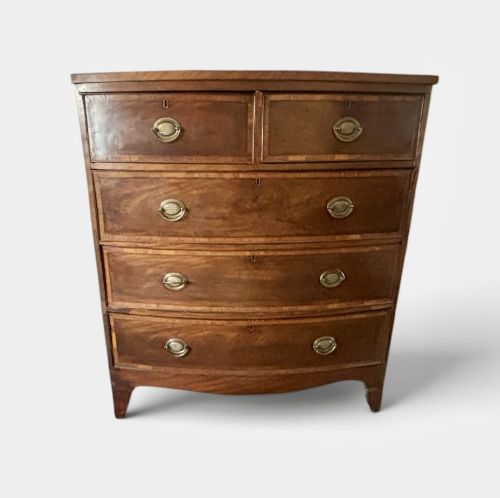
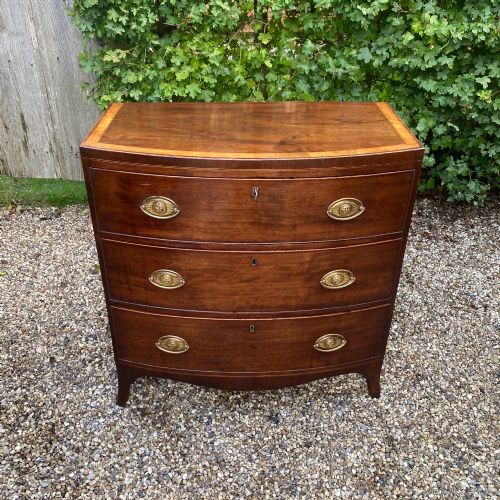
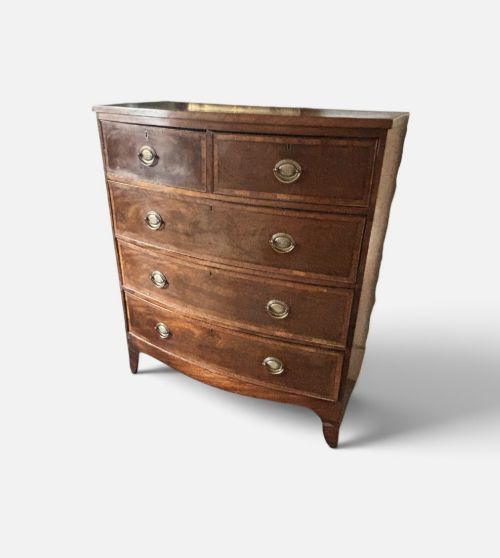
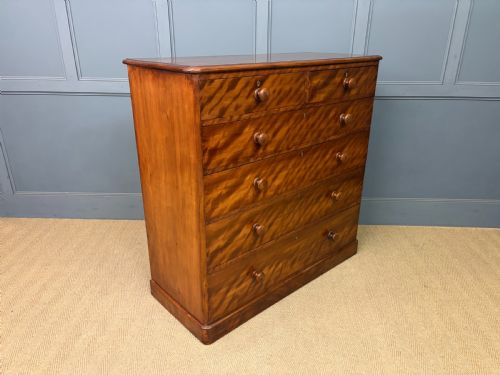
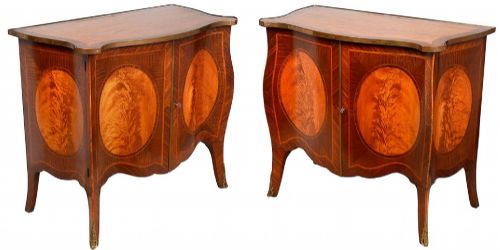
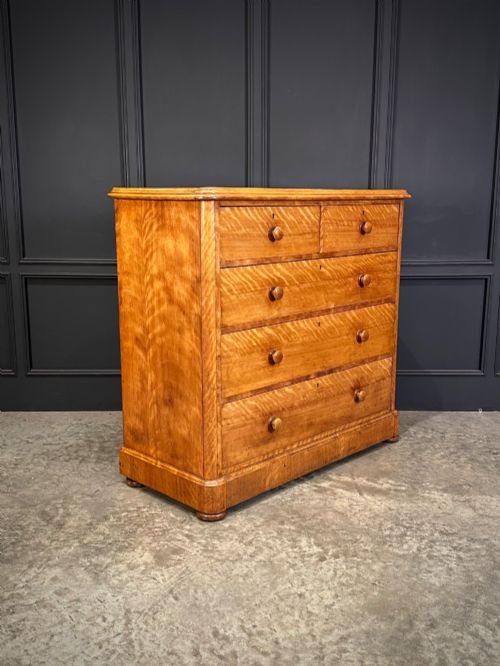
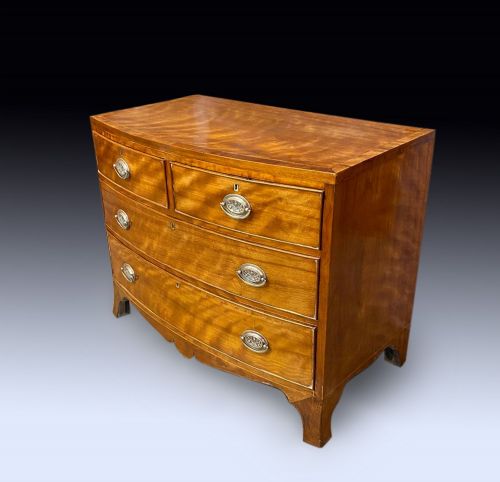
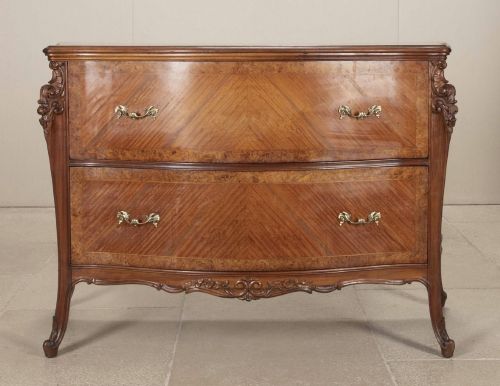
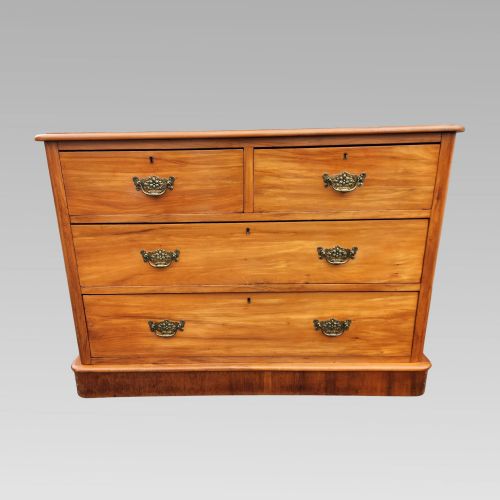
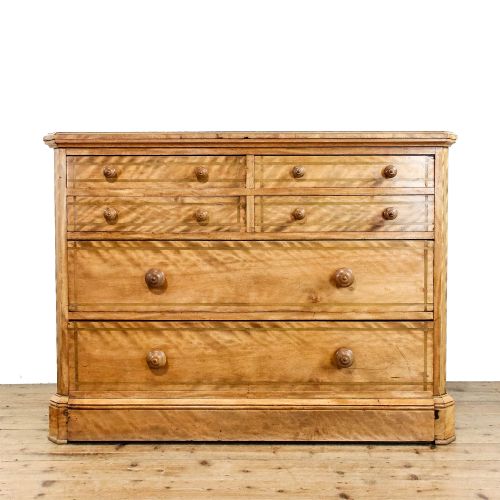
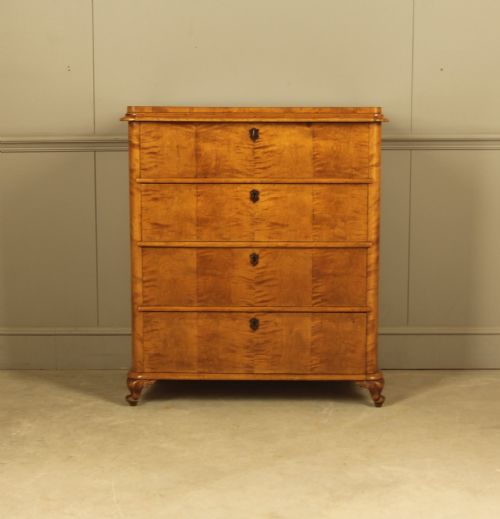

Antique Satinwood Commode
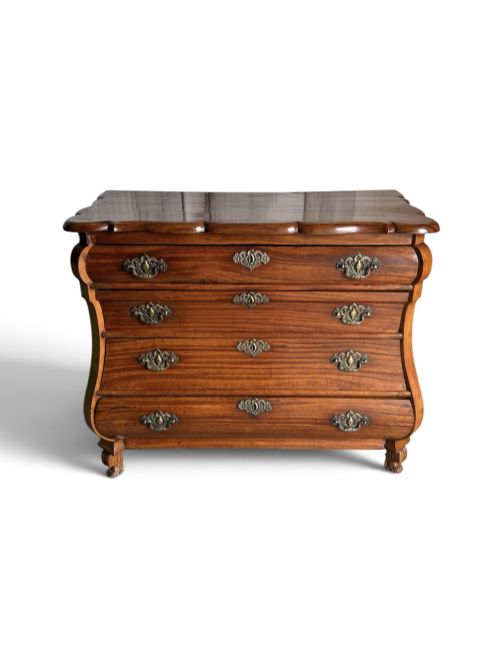
An antique satinwood commode brings luminous grain and refined neoclassical lines to a room, offering both surface display and deep storage.
Antique Satinwood Commode
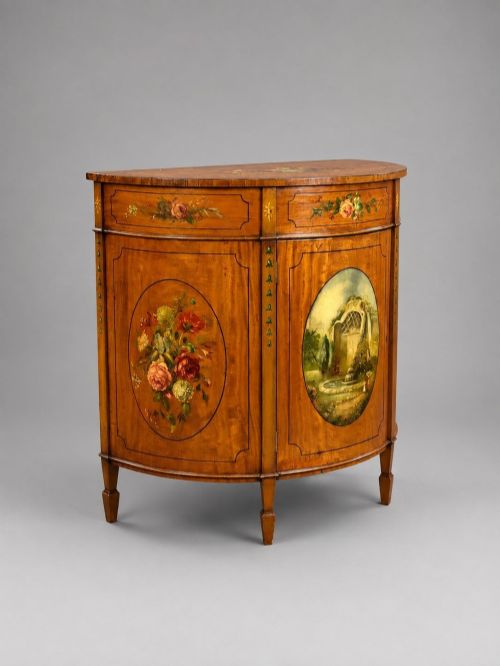
When you search for an antique satinwood commode, you encounter a refined group of storage furniture spanning the eighteenth, nineteenth, and early twentieth centuries. These pieces encompass bow-fronted chests, demi-lune cabinets, and serpentine commodes created in England, France, Italy, and Sweden.
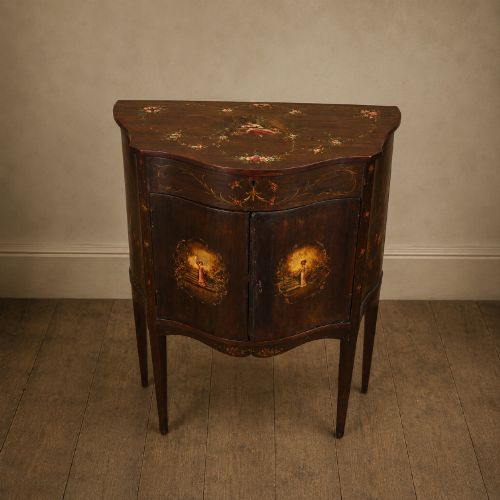
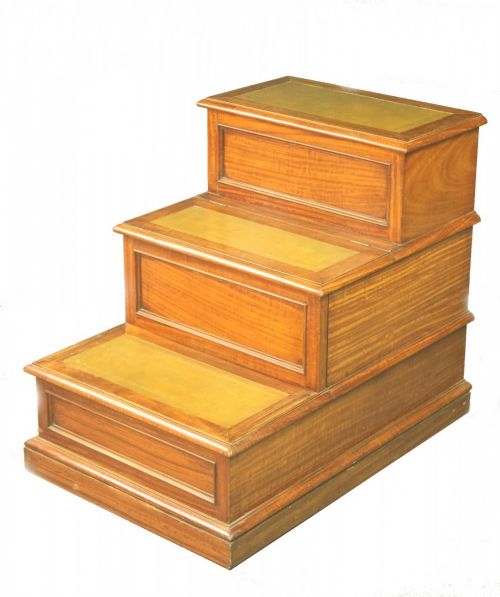
The version you are most likely to meet on this page is the Edwardian or Sheraton Revival painted satinwood piece from around nineteen hundred, alongside genuine Georgian and Regency examples. Alongside traditional commodes, the selection includes related forms like side cabinets, bed steps, and secretaire chests.
Origin plays a defining role in character, with English cabinet makers favouring linear crossbanding and Dutch or Italian workshops producing dramatic bombe and inlaid carcases. French pieces often feature softer serpentine curves and extensive gilt bronze mounts.
Materials and Construction
Cabinet makers built these carcases using solid pine, mahogany, or oak as a stable secondary timber, then applied fine satinwood veneers to the exterior surfaces. Satinwood provides a natural golden sheen that reflects light across the room.
Craftsmen enriched the primary timber with contrasting bandings and crossbanding in mahogany, rosewood, walnut, and burr veneers. Marquetry and hand-painted classical panels adorn the finer Edwardian and Sheraton Revival examples.
Structural integrity relied on traditional dovetail joinery for the drawer construction and sturdy corner blocks within the frames. Brass handles, escutcheons, and occasional gallery rails finished the pieces.
Materials appearing across the inventory include mahogany, rosewood, walnut, marble, and flame birch alongside primary satinwood.
Design and Execution
Quality rests upon the selection of timber figures, where densely mottled or flame satinwood creates a more vibrant optical depth than plain timber. The precision of the contrasting crossbanding and inlay dictates the visual rhythm of the facade.
Hand-painted decoration separates standard production from exceptional artistry, with delicate brushwork depicting classical figures, ribbons, and floral swags rather than mechanical transfers. The crispness of carved mouldings and the retention of original brass hardware elevate a piece significantly.
Heal And Son·James Hicks
The Antique Satinwood Commode Glossary
- Satinwood
- A durable tropical hardwood known for its lustrous, golden-yellow appearance and satin-like sheen. Cabinet makers prized it for decorative veneers.
- Crossbanding
- A narrow strip of veneer laid perpendicular to the grain of the main surface, creating a distinct border around drawer fronts or table tops.
- Demi-lune
- A half-moon shape characteristic of commodes and side cabinets designed to sit flat against a wall.
- Marquetry
- The art of applying pieces of veneer to a structure to form decorative patterns, pictures, or designs.
- Bombe
- A swelling, outward-curving contour on the front and sides of a chest or commode, seen frequently in continental furniture.
Antique Satinwood Commode: Frequently Asked Questions
How do I care for satinwood?
Keep these timber surfaces away from direct sunlight and excessive heat sources to prevent the natural golden veneer from fading or drying out over time. Apply a microcrystalline wax periodically to nourish the wood and maintain its soft sheen.
Avoid using silicone-based polishes or damp cloths, which can damage historical French polish finishes. A soft, dry duster is sufficient for routine daily maintenance.
Where should I place a commode?
A demi-lune commode fits neatly in a hallway or entrance space where floor depth is restricted yet surface display is desired. In a drawing room or bedroom, a bow-fronted chest serves as a focal point against a plain wall.
Ensure the room maintains stable humidity levels to protect the underlying carcase timbers and delicate veneers from movement. Avoid placing pieces directly against exterior walls prone to dampness.
How do I distinguish Georgian from Edwardian pieces?
Georgian pieces generally rely on structural proportions, fine timber figuring, and subtle stringing rather than heavy surface decoration. The construction timbers, such as oak drawer linings and hand-cut dovetails, point directly to eighteenth-century workshop practices.
Edwardian and Sheraton Revival pieces often feature extensive painted satinwood panels, delicate marquetry, and lighter pine or mahogany secondary woods. These later items frequently display machine-assisted precision in their internal framing while successfully emulating earlier neoclassicism.
Were these pieces used for bedrooms?
Many commodes and chests served primarily in bedchambers for storing linens, garments, and personal valuables. Their compact footprints made them adaptable for private quarters as well as formal reception rooms.
Finer decorated cabinets with display shelves often stood in drawing rooms to showcase porcelain and decorative objects. Their versatile scale allowed them to transition between different rooms depending on changing household fashions.