


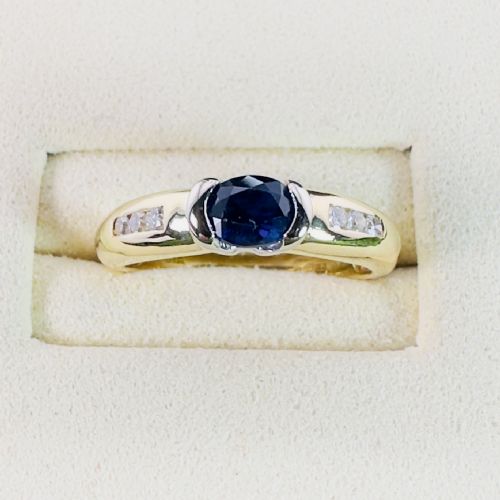


Antique Sapphire Dress Set
An antique sapphire dress set brings together bright blue gemstones and precious metals in rings and cufflinks crafted across the Victorian, Edwardian and Art Deco periods.
Antique Sapphire Dress Set
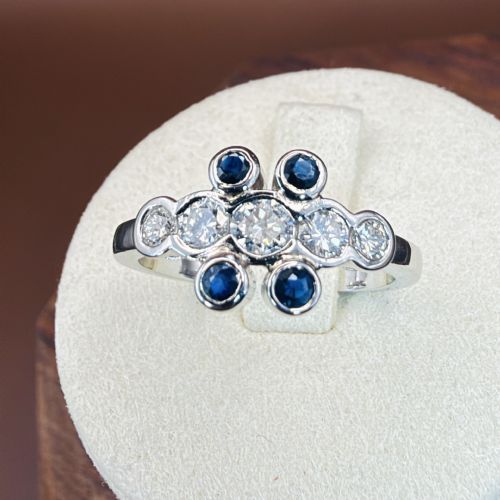
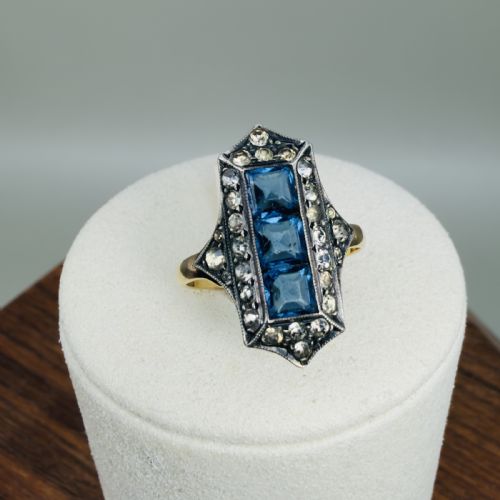
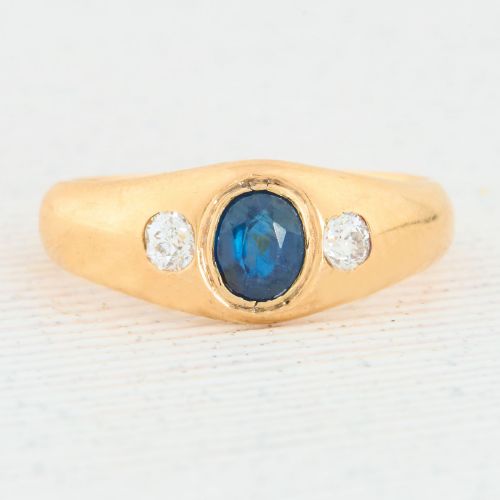
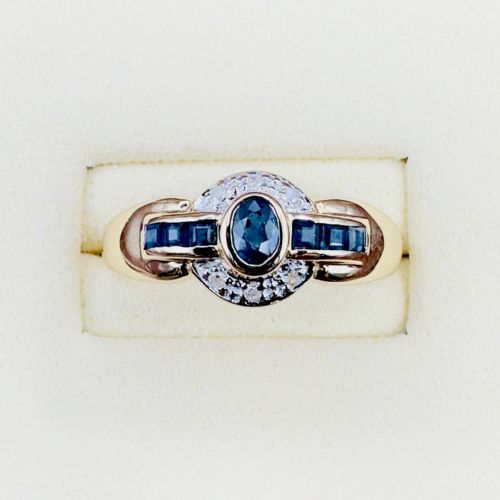
An antique sapphire dress set encompasses rings and double-sided cufflinks spanning periods from the Victorian era through the Edwardian years and into the Art Deco epoch. Buyers browsing this phrase encounter cluster rings, gypsy settings and platinum solitaires featuring blue, pink, orange or Ceylon stones.
The most frequent finds on this page are rings set in 18ct gold, white gold or platinum, often paired with old cut diamonds. Forms range from traditional boat and five-stone layouts to geometric target designs and clover motifs dating from 1900 to the mid-century.
Cufflinks also appear alongside the rings, offering double-sided configurations in gold and platinum with mother of pearl accents. Each piece reflects the dominant ornamental tastes of its decade, from late Victorian richness to clean geometric lines.
Materials and construction
Goldsmiths and platinum-smiths constructed these pieces using 18ct yellow gold, 18ct white gold, platinum and occasionally 9ct gold. Gemstones including sapphires, diamonds and pearls were secured via claw settings, pave work and flush gypsy mountings.
Artisans combined precious metals such as platinum tops on yellow gold shanks to showcase white diamonds and blue sapphires against contrasting backgrounds. Hand-cut stones like old cuts and rose cuts were shaped to fit intricate cluster, trefoil and target configurations.
Materials appearing across the inventory include platinum, 18ct yellow gold, 18ct white gold, mother of pearl and diamonds.
Assessing the pieces
Quality rests upon the origin, cut and treatment of the sapphire, alongside the weight and clarity of accompanying diamonds. Natural unheated stones from sources like Burma or Ceylon command attention for their depth of colour, whereas synthetic sapphires and paste stones represent alternative production methods.
Metalwork execution defines the standard of the mounting, visible in the precision of platinum pave work, claw symmetry and the crispness of engraved details. The harmony between the central sapphire and surrounding diamonds shapes the overall visual balance.
The Antique Sapphire Dress Set Glossary
- Gypsy ring
- A style where stones are flush-set directly into the tapering metal band rather than held in elevated claws.
- Target ring
- A circular cluster design featuring concentric rings of contrasting gemstones around a central stone, popular in the Art Deco period.
- Old cut diamond
- A hand-faceted diamond shape predating modern brilliant cuts, characterised by a smaller table, higher crown and open culet.
- Trefoil cluster
- A three-stone arrangement often formed of a central gem flanked by two matching stones to resemble a three-leaf clover.
- Trilogy ring
- A ring set with three prominent gemstones representing past, present and future.
Antique Sapphire Dress Set: Frequently Asked Questions
How do I date an antique sapphire ring?
Dating relies on combining the mount style, metal combinations and gem-cutting techniques seen in the piece. Victorian rings often feature boat or gypsy settings in yellow gold, while Edwardian and Art Deco examples utilise platinum and geometric cluster layouts.
Hallmarks and stamps on the inner band can further pinpoint the office and year of creation. Comparing the prong work and overall silhouette against established design periods confirms the era of manufacture.
What is the difference between Ceylon and Burmese sapphires?
Ceylon sapphires originate from Sri Lanka and are known for vibrant, lively blue tones with high clarity. Burmese stones come from Myanmar and typically display a deep, velvety cornflower blue colour.
Both origins are prized by collectors for their natural characteristics. Certification or historical context often highlights these geographical distinctions.
Can I wear an antique sapphire ring daily?
Sapphires rank nine on the Mohs hardness scale, making them durable enough for regular wear. However, antique settings require care to protect older claw work and delicate platinum or gold bands.
Removing rings during heavy manual work prevents accidental knocks to the stones or metalwork. Periodic checks by a jeweller ensure the gems remain secure in their original mountings.