




Antique Samson Figures
Antique samson figures are clever nineteenth-century French porcelain interpretations of earlier English and continental ceramics that bring lively historical charm to a mantelpiece.
Antique Samson Figures
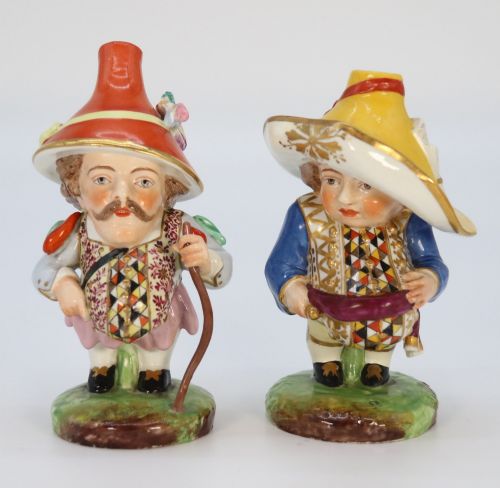
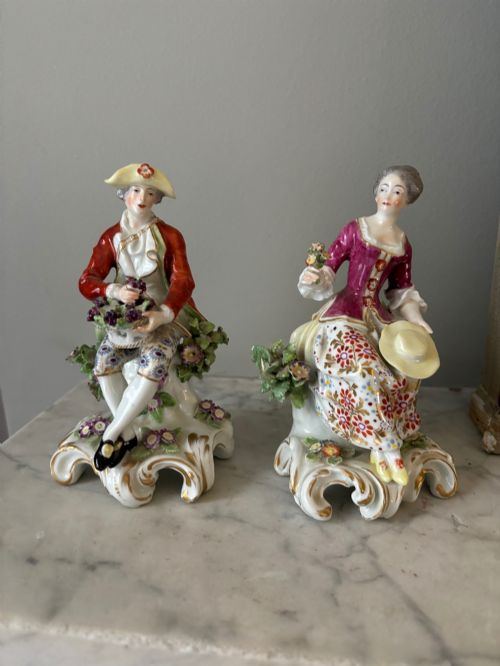
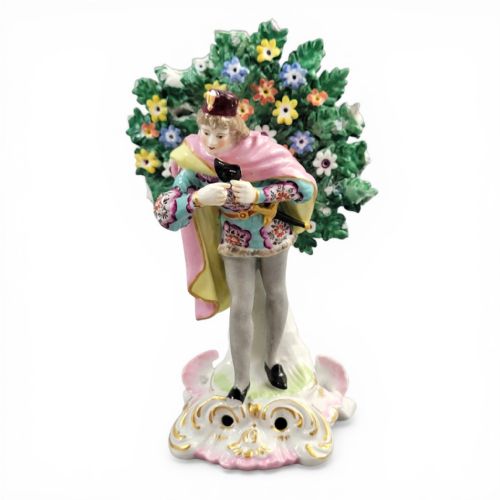
These pieces are decorative porcelain figurines and figural inkwells produced by the Samson of Paris factory, designed to emulate the celebrated output of earlier factories such as Chelsea, Derby, and Bow. When searching for antique samson figures, a buyer encounters detailed porcelain representations of allegorical figures, street vendors, musicians, and mythological subjects created during the nineteenth century.
The objects frequently adopt established eighteenth-century styles including Rococo Revival and Chinoiserie, alongside interpretations of Italian Baroque subjects. Figures often appear in pairs representing seasonal themes or complementary characters like shepherds and gallants.
Production largely centres on the nineteenth century, with specific examples carrying dates across the Victorian era from 1850 to 1890. The selection also encompasses oil paintings depicting biblical narratives related to Samson, though porcelain figures form the primary focus of this category.
How they were made
Gilding and gold leaf accentuation frequently highlight borders, clothing details, and mock factory marks, adding visual richness to the finished porcelain. Occasional works in other media, such as oil on canvas framed in giltwood, appear alongside the ceramic pieces.
Antique Samson Figures Retail Price Guide 2026
Typical asking prices for samson figures among the pieces listed under this phrase on Sellingantiques today, from the lower quarter to the upper quarter. They describe what is for sale here now, not the wider market.
Samson once made figures so convincing that modern collectors occasionally mistake their cheerful eighteenth-century pastiches for the original English antiques.
What varies in quality
The refinement of the hand-painted polychrome enamel work dictates the visual success of each piece, distinguishing delicate facial expressions from heavier, less precise brushwork. The crispness of the moulded details, particularly in complex botanical bocages and elaborate garments, reflects the skill invested by the Parisian porcelain makers.
The fidelity of the historic revival style, whether channelling eighteenth-century Chelsea taste or Derby proportions, governs the artistic achievement of the figures. Consistency in the application of gold leaf and the subtlety of the colour palette separate standard decorative objects from superior examples of nineteenth-century ceramic artistry.
Samson of Paris·Edmé Samson
The Antique Samson Figures Glossary
- Hard-Paste Porcelain
- A durable ceramic material composed of kaolin and petuntse fired at high temperatures. This dense body served as the foundation for fine nineteenth-century Parisian figures.
- Bocage
- A decorative background of clustered leaves and foliage applied behind ceramic figures. This intricate foliage work is typical of eighteenth-century styles revived by Parisian makers.
- Gilding
- The application of gold or gold leaf onto the porcelain surface to highlight decorative elements. Skilled makers used this technique to emulate earlier factory traditions.
- Rococo Revival
- A nineteenth-century design style drawing on the asymmetric curves and ornate motifs of the eighteenth century. Samson makers frequently utilised this aesthetic for their figural bases and costumes.
Antique Samson Figures: Frequently Asked Questions
What are antique samson figures?
These pieces are nineteenth-century French porcelain figures and inkwells created by the Samson workshop in Paris. They were designed to emulate the aesthetics of famous earlier ceramics from factories like Chelsea and Derby.
Rather than passing for deceitful fictions, these works were intended as respectful homages to earlier eras. They capture the decorative spirit of eighteenth-century porcelain while utilising the manufacturing techniques available in Victorian France.
How do I identify a samson piece?
Identification often relies on recognising the characteristic porcelain body, enamel colours, and stylistic traits associated with the Paris workshop. Many pieces incorporate historicizing factory marks that pay tribute to earlier ceramics rather than strictly imitating them.
Subjects frequently include allegorical figures, street vendors, and mythological characters rendered in Rococo Revival or Chinoiserie styles. Examining the hand-painted details and the specific form of the modelling helps distinguish these nineteenth-century interpretations.
How were these figures used originally?
They served primarily as decorative ornaments intended for display on mantelpieces, tabletrees, and cabinets within wealthy Victorian homes. Some functional variations, such as figural inkwells, combined decorative sculpture with practical desktop use.
Pairs of figures were often arranged symmetrically to adorn interior spaces, reflecting contemporary domestic tastes for narrative and allegorical display. Their intricate painted surfaces provided visual interest in formal reception rooms.
How do I care for porcelain figures?
Maintenance requires gentle dusting with a soft, dry brush to prevent the accumulation of dirt on delicate painted surfaces and protruding elements like bocage leaves. Avoiding harsh chemical cleaners preserves the integrity of the polychrome enamel and gold leaf.
Placement should be away from direct sunlight and areas subject to sudden temperature fluctuations to protect the ceramic body. Stable shelving ensures that fragile limbs and intricate decorative attachments remain secure.