





Antique Sampler Frame
An antique sampler frame protects and displays historic textile art created with wool, silk, and linen.
Antique Sampler Frame
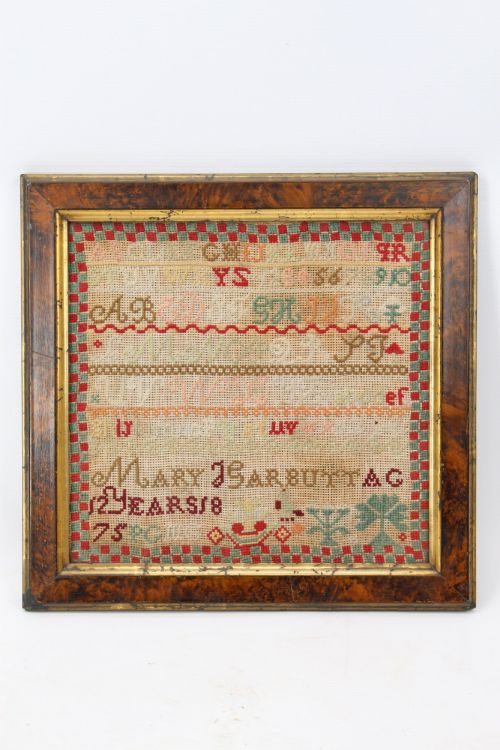
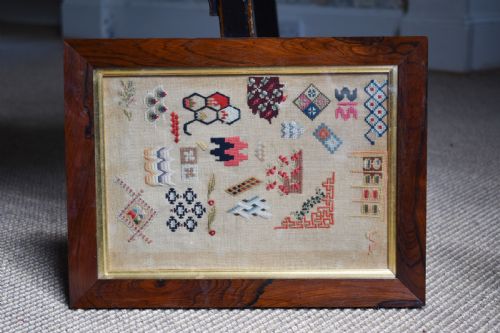
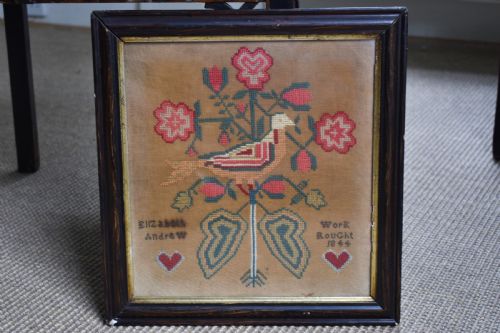
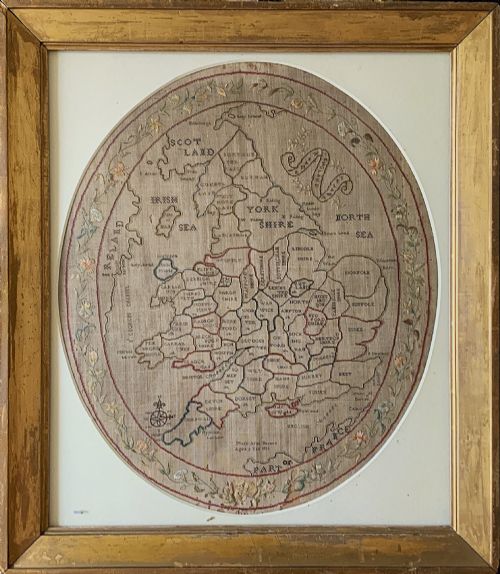
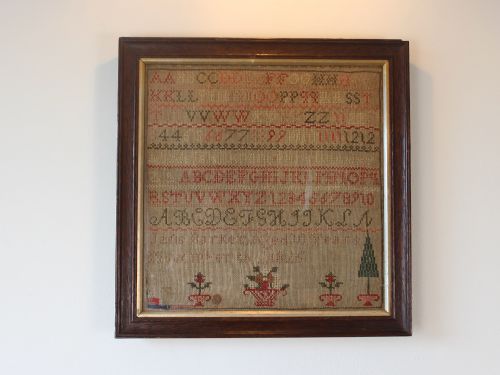
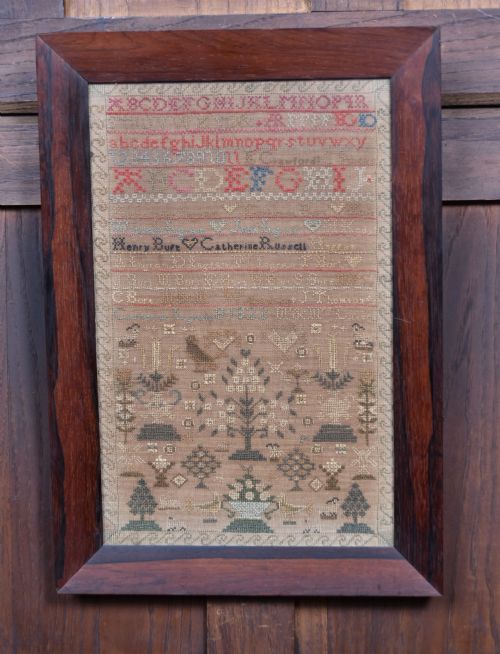
An antique sampler frame houses historical needlework pieces originating from the eighteenth and nineteenth centuries, including Georgian and Victorian examples. These textiles often feature alphabets, maps, and pictorial scenes worked by young makers.
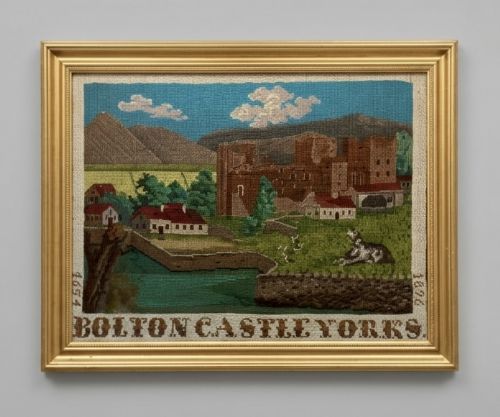
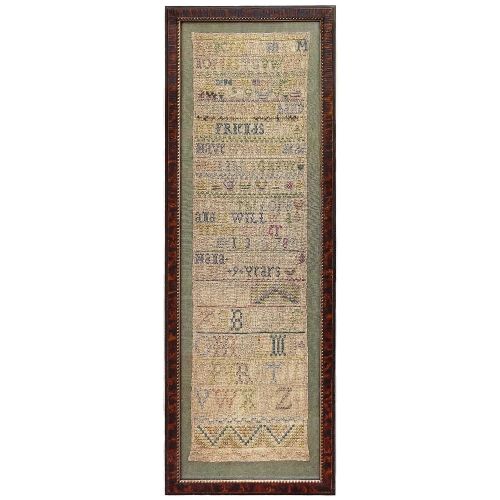
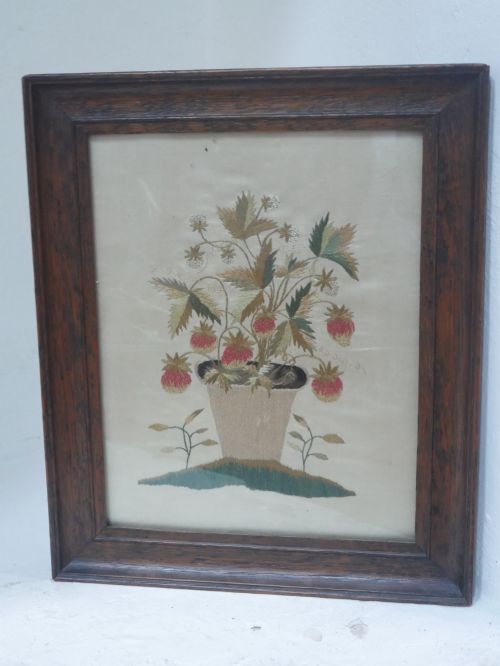
The objects displayed within these enclosures include traditional band samplers, map needlework, and wool work pictures. Many items record the name and age of the maker alongside dates spanning from the seventeen hundreds onward.
Buyers encounter framed textile art originating from English, Scottish, and continental makers. The primary focus rests upon preserving the delicate fabric ground and the coloured threads that form the stitches.
Materials and Construction
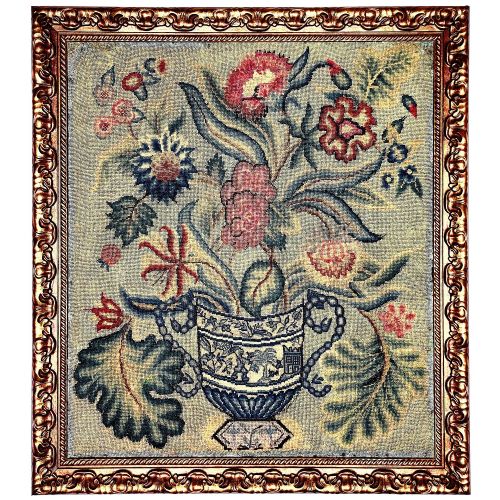
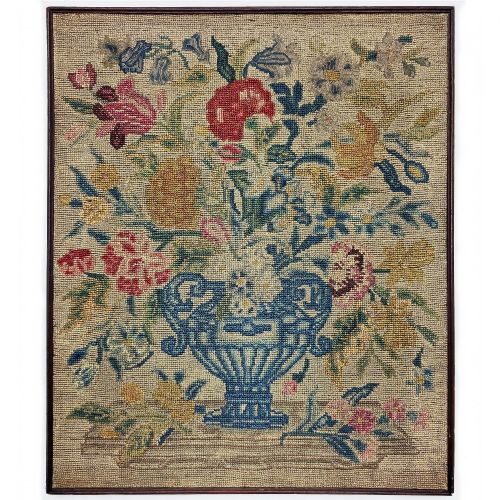
Makers utilised linen, canvas, and wool grounds for stitching, applying silk thread, wool, and crewel work to create pictorial designs. These textiles required sturdy wooden housings and glass covers to protect the vulnerable fabric fibres from dust and handling.
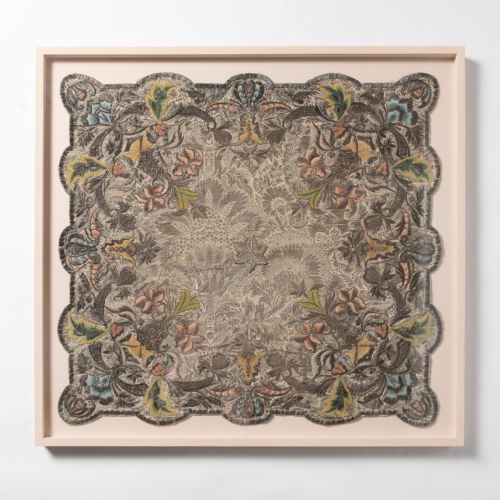
The historic needlework was stretched over backing boards and secured within wooden frames. Glazing protects the delicate silk floss and wool threads from atmospheric damage while keeping the stitched surface visible.
Antique Sampler Frame Retail Price Guide 2026
Typical asking prices for sampler frame among the pieces listed under this phrase on Sellingantiques today, from the lower quarter to the upper quarter. They describe what is for sale here now, not the wider market.
Several young makers recorded not just their names, but precise ages like twelve years and months.
Assessing Quality
The calibre of an antique sampler frame relates to the preservation of the textile within, particularly the stability of the linen ground and the vibrancy of the silk thread. Superior examples maintain tension across the canvas without distortion or severe fading.
Original glass and period wood construction contribute significantly to the integrity of the piece. The skill demonstrated in the needlework itself, from alphabet stitching to complex pictorial scenes, sets the finer examples apart.
The Antique Sampler Frame Glossary
- Sampler
- A piece of needlework produced to demonstrate proficiency in various stitches and patterns. These often include alphabets, numbers, and decorative motifs.
- Band sampler
- An early style of needlework featuring horizontal bands of distinct patterns and stitches arranged in rows down the fabric.
- Linen
- A strong textile made from flax fibres that served as the primary ground fabric for eighteenth-century needlework.
- Gros point
- A type of needlepoint embroidery worked in wool on a coarse canvas, frequently utilised for pictorial subjects.
Antique Sampler Frame: Frequently Asked Questions
What periods do these samplers date from?
The pieces span from the late seventeenth century through the eighteenth and nineteenth centuries. Georgian and Victorian examples appear frequently among the listings.
Dates often include specific years marked by the young makers alongside their names and ages.
What materials were used in the needlework?
Makers stitched with silk thread, wool, and crewel yarn onto linen or canvas grounds. Glass covers typically protect these delicate organic materials.
Wood provides the structural housing for the textile panels.
How are map samplers different?
Map samplers combine geography lessons with needlework skills, depicting regions such as England and Wales with embroidered borders. Young scholars worked these geographical layouts during the Georgian era.
Cartographic accuracy varies alongside the decorative floral borders that frame the landmasses.
How should I care for framed textiles?
Keep mounted needlework away from direct sunlight to prevent the silk thread and wool from fading. Stable indoor humidity protects both the historic wood frame and the linen ground.
Avoid hanging pieces in damp environments where mould might affect the fabric.