



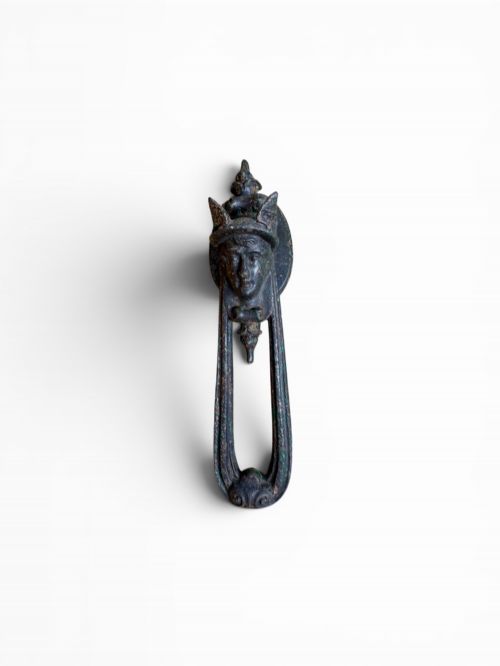
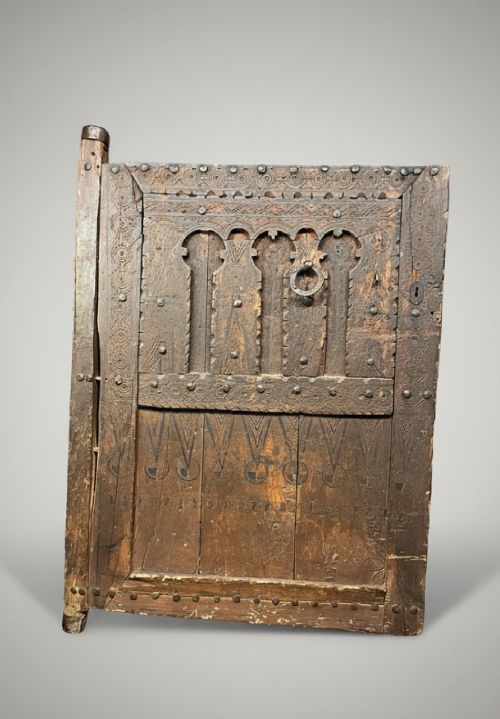
Antique Salvage Door
An antique salvage door brings solid timber, heavy iron and distinct architectural character to a room.
Antique Salvage Door
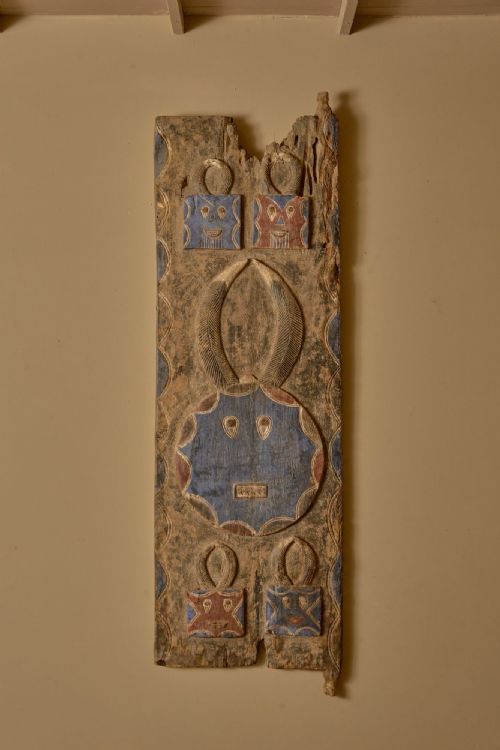
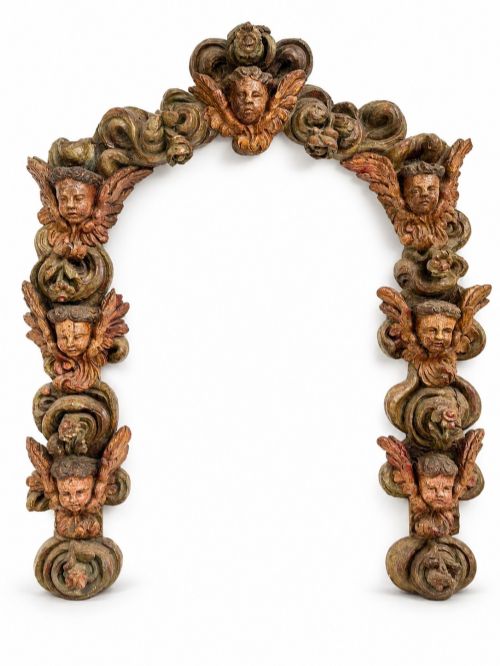
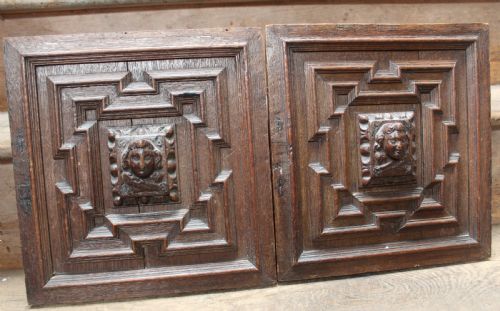
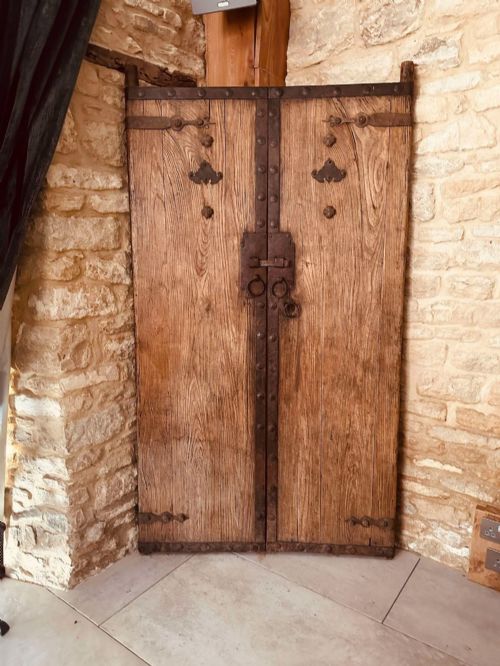
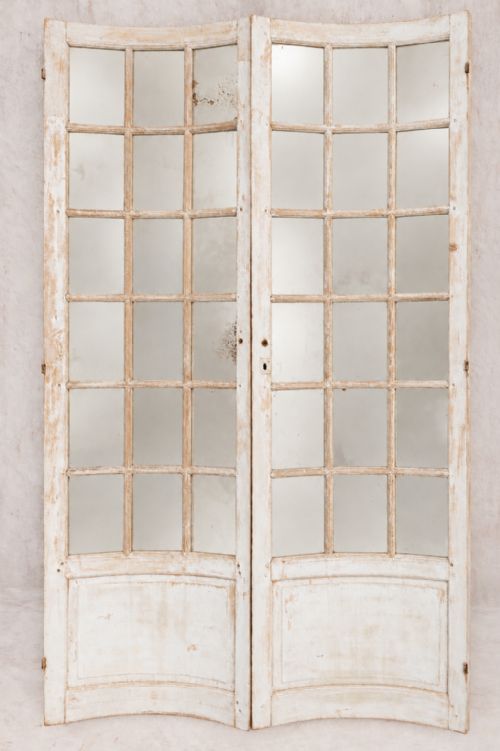
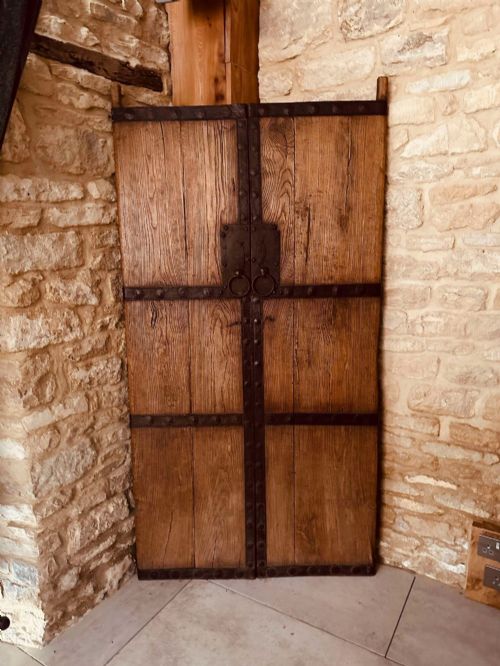
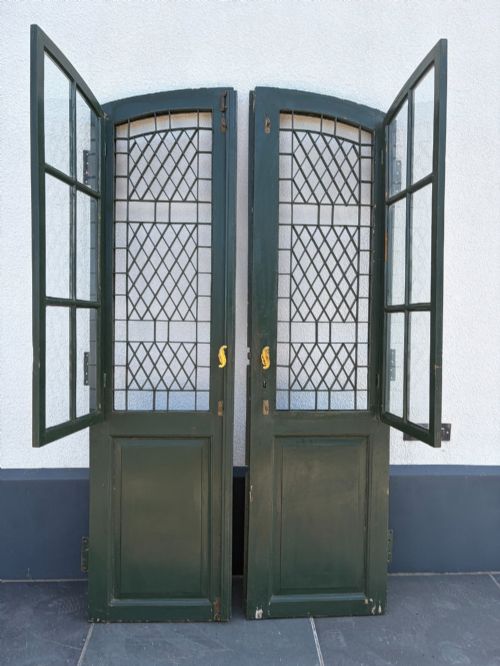
An antique salvage door comprises heavy timber panels, French arched designs, and heavy entrance screens sourced from period properties. These pieces span the 17th century through the Victorian era and the 1920s, offering substantial structural forms for interior projects.
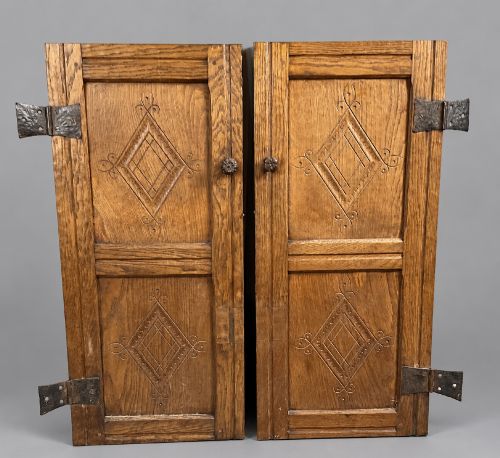
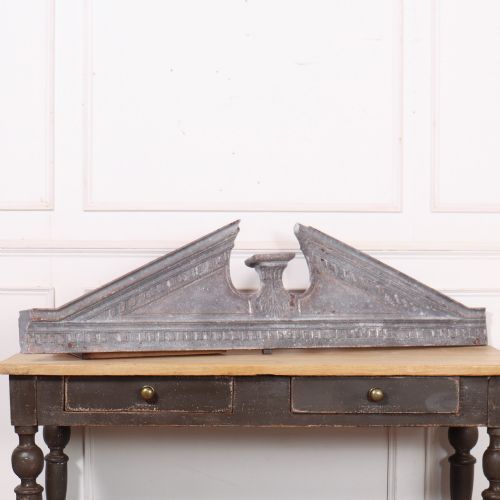
Buyers seeking an antique salvage door will encounter robust oak and pine structures, often paired with brass, iron, or leaded glass components. The selection ranges from chapel entrances and cupboard doors to decorative overdoor pediments and hardware.
Origin details in this category stretch from English country houses to French provincial buildings and Italian workshops. Each piece carries the marks of its original architectural context, whether built for domestic rooms or commercial shop fronts.
How they were made
Makers built an antique salvage door using dense timbers such as oak, walnut, and pine, joined with traditional framing techniques. Carpenters shaped panels by hand, carving detailed motifs or leaving surfaces plain to highlight the natural grain.
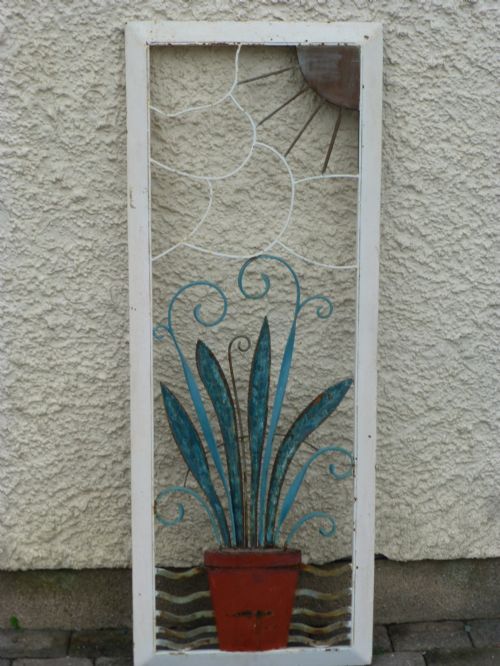
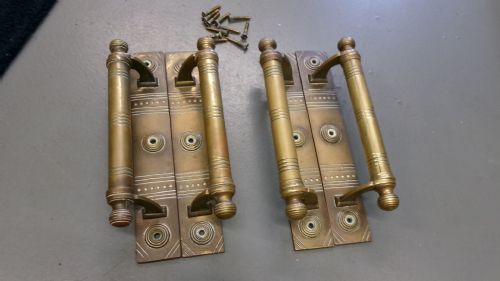
Metalwork played a structural and decorative role, incorporating cast iron, wrought iron, brass, and bronze for hinges, locks, and handles. Lead came secured glass sections within windows and transoms, while enamel added durable signage elements.
Antique Salvage Door Retail Price Guide 2026
Typical asking prices for salvage door among the pieces listed under this phrase on Sellingantiques today, from the lower quarter to the upper quarter. They describe what is for sale here now, not the wider market.
Several items include explicit instructions for visitors, featuring metal signs demanding silence and requesting that users close the door firmly behind them.
What varies in quality
The standard of an antique salvage door depends upon the depth of the carving and the integrity of the original timber frame. Pieces retaining their matching ironwork or brass hardware show a higher level of preservation.
Execution of detail separates basic joinery from master craftsmanship, particularly in the precision of panel assembly and the crispness of hand-carved ornamentation.
Edward Pearce·Robert Mouseman Thompson·Raymond Subes·Gerwin & Co Birmingham
The Antique Salvage Door Glossary
- Overdoor
- A decorative panel or pediment placed immediately above a doorway. These architectural elements often feature carved wooden motifs or shelving.
- Boot scraper
- A metal blade or scraper fixed near an entrance to clean mud from footwear. They are typically cast in iron and set into stone blocks.
- Rim lock
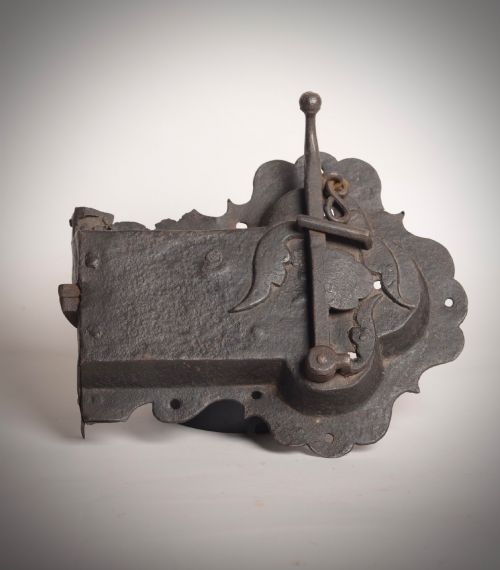
- A mechanical door lock housed in a metal box mounted on the surface of the door rather than mortised inside. They frequently date to the seventeenth and eighteenth centuries.
- Pelmet
- A rigid frame or board placed above a window or door to conceal fittings. French examples often display hand-carved wooden details.
Antique Salvage Door: Frequently Asked Questions
How do I choose the right size?
Measure the height and width of the structural opening carefully before selecting a piece. Take into account any attached frames, transoms, or overdoor pediments that add to the overall dimensions.
Keep in mind that older architectural timber is difficult to resize without altering its structural balance and proportions. Sourcing a piece that matches your exact spatial requirements avoids complex joinery adjustments later.
Can these doors be used externally?
Many sturdy timber and iron variants served as entrance or chapel doors originally, making them suitable for exterior use. Check the density of the wood and the weather exposure the piece can tolerate.
Finishes may need careful maintenance to protect historical surfaces from moisture and direct sunlight. Hardwood options like oak generally withstand outdoor conditions better than softer timbers.
How do I clean historic hardware?
Remove surface dust using a dry cloth and avoid harsh chemical cleaners that strip patinated metal. Brass and bronze elements respond well to gentle polishing if you prefer a bright finish.
Preserve the existing character by leaving older oxidation intact where possible. Iron components benefit from light application of oil to prevent further corrosion.
How do I date an older door?
Examine the construction methods, tool marks, and fastener types used in the timber joinery. Hand-planed boards and hand-forged iron hinges typically point to earlier centuries.
Compare the stylistic motifs, such as Victorian cast iron or Art Deco bronze work, against documented design periods. Wood species and regional carpentry traits also offer clues to the approximate decade of origin.