





Antique Salt Glaze Pot
These antique salt glaze pot examples are robust domestic and garden vessels finished with a distinctive textured surface.
Antique Salt Glaze Pot
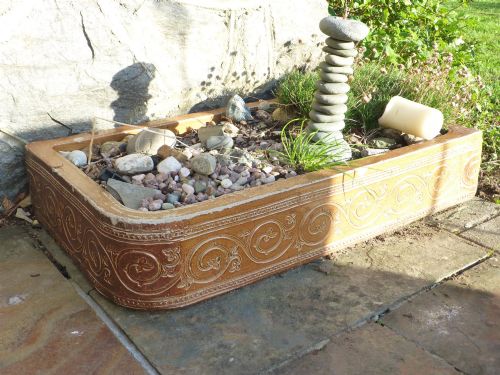
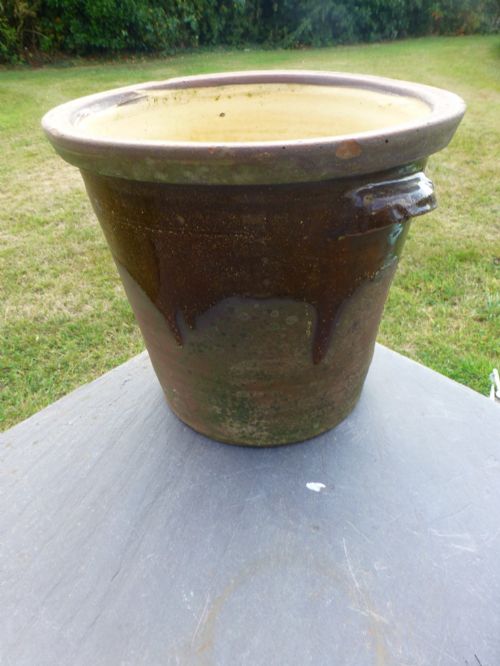
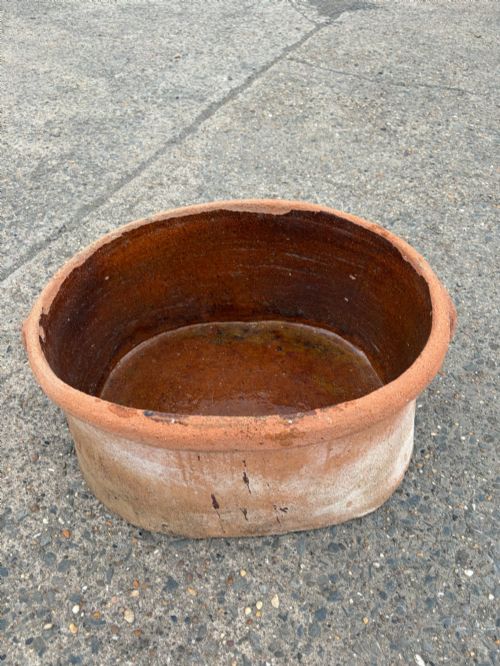
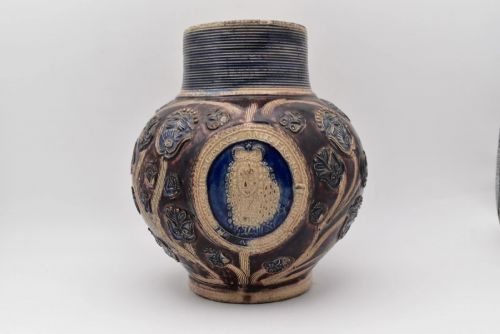
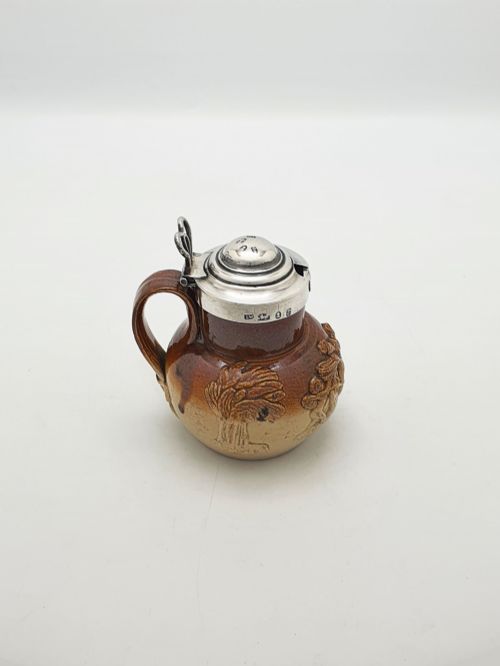
An antique salt glaze pot encompasses heavy-duty utilitarian vessels, garden troughs, and refined tabletop items from the seventeenth century through to the Victorian era. The selection ranges from robust nineteenth-century garden planters and dairy salting crocks to Georgian mustard pots and Westerwald jugs.
Buyers most frequently encounter nineteenth-century stoneware planters, troughs, and kitchenalia, alongside occasional refined pieces featuring sterling silver collars or intricate moulded details. Origins span British provincial potteries, French workshops, and German stoneware centres.
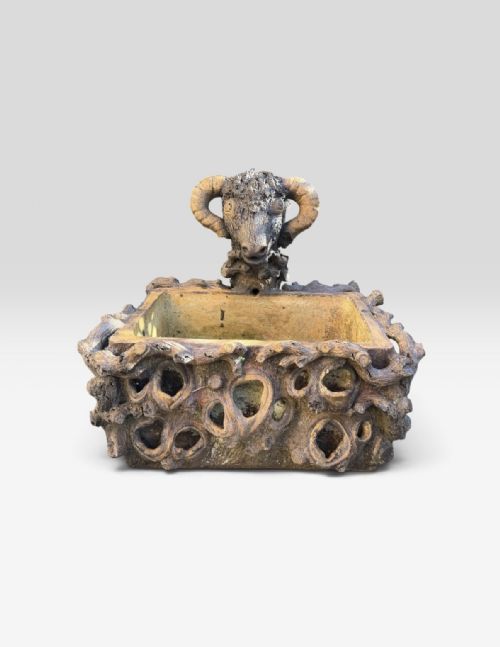
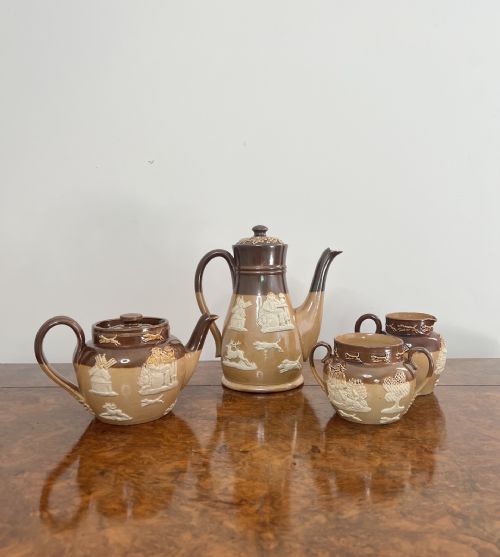
The forms serve varied domestic and horticultural purposes, moving from large faux bois strawberry planters and garden urns down to small lidded mustard pots and tea sets. Each piece reflects the functional requirements of its period, whether for food preservation, tavern service, or garden display.
How they were made
Potters utilised durable stoneware and terracotta, throwing or moulding clay before introducing common salt into the kiln during high-temperature firing. This chemical reaction produced the characteristic textured glaze, often described as having an orange-peel finish.
Finer domestic items incorporated applied decorative reliefs, hand-tooling, and precious metal mounts such as sterling silver collars and hinged lids. Larger garden planters and troughs relied on heavy earthenware and salt-glazed stoneware bodies designed to withstand regular exterior use.
Antique Salt Glaze Pot Retail Price Guide 2026
Typical asking prices for salt glaze pot among the pieces listed under this phrase on Sellingantiques today, from the lower quarter to the upper quarter. They describe what is for sale here now, not the wider market.
Object forms range from garden troughs and strawberry planters to tavern soup jars, mustard pots, and complete tea sets.
What varies in quality
The standard of an antique salt glaze pot depends upon the crispness of its moulded details, the evenness of the surface texture, and the survival of original components such as lids and mounts. Superior examples display sharp relief work and balanced proportions without heavy kiln distortion.
Artistic ambition also separates utilitarian storage from decorative exhibition pieces, distinguishing standard kitchen crocks from French Art Nouveau planters or portrait jugs by notable makers.
Guichard Carriès·Doulton Lambeth·C And A Painter
The Antique Salt Glaze Pot Glossary
- Salt-Glazed Stoneware
- Pottery finished by throwing common salt into the kiln at peak temperature, creating a dense, vitrified body with a textured surface.
- Faux Bois
- An artistic imitation of wood grain, frequently moulded into nineteenth-century garden planters and troughs.
- Kitchenalia
- Utilitarian domestic and culinary items, including crocks and jars used for food preparation and preservation.
- Westerwald
- A German ceramic region known for producing salt-glazed stoneware jugs featuring incised and cobalt-highlighted designs.
Antique Salt Glaze Pot: Frequently Asked Questions
What were salt glaze pots used for?
These vessels served primarily practical roles in the dairy, kitchen, and tavern, holding preserves, mustard, or soup.
Larger variations also functioned outdoors as garden planters, troughs, and urns for horticulture.
How do I identify a Georgian piece?
Georgian examples often appear as smaller tabletop items, such as mustard pots fitted with sterling silver collars.
The materials and form reflect early nineteenth-century domestic dining habits.
Are these pots frost resistant?
Stoneware and heavy terracotta garden planters were fired at high temperatures to withstand continuous exposure.
Severe winter conditions can still affect older ceramics, so careful winter placement is advisable for delicate pieces.
How should I clean my pot?
Gentle washing with warm water and a soft brush removes accumulated dirt without harming the historic glaze.
Harsh chemical detergents and abrasive pads should be avoided to preserve the original surface texture.