



Antique Saint Carving
An antique saint carving brings centuries of ecclesiastical devotion into a room through the careful hands of past makers.
Antique Saint Carving
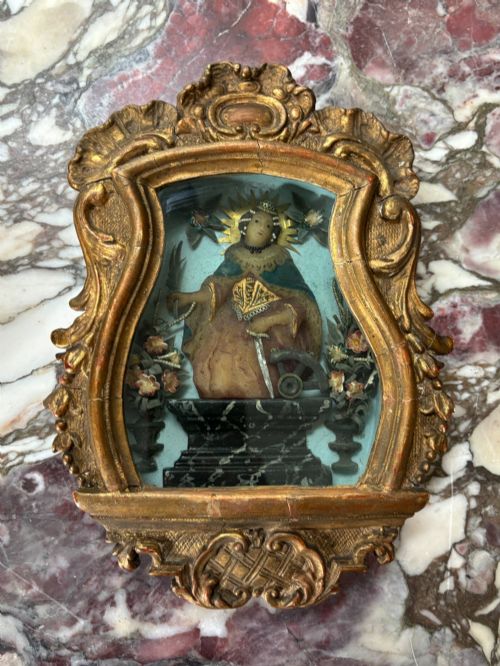
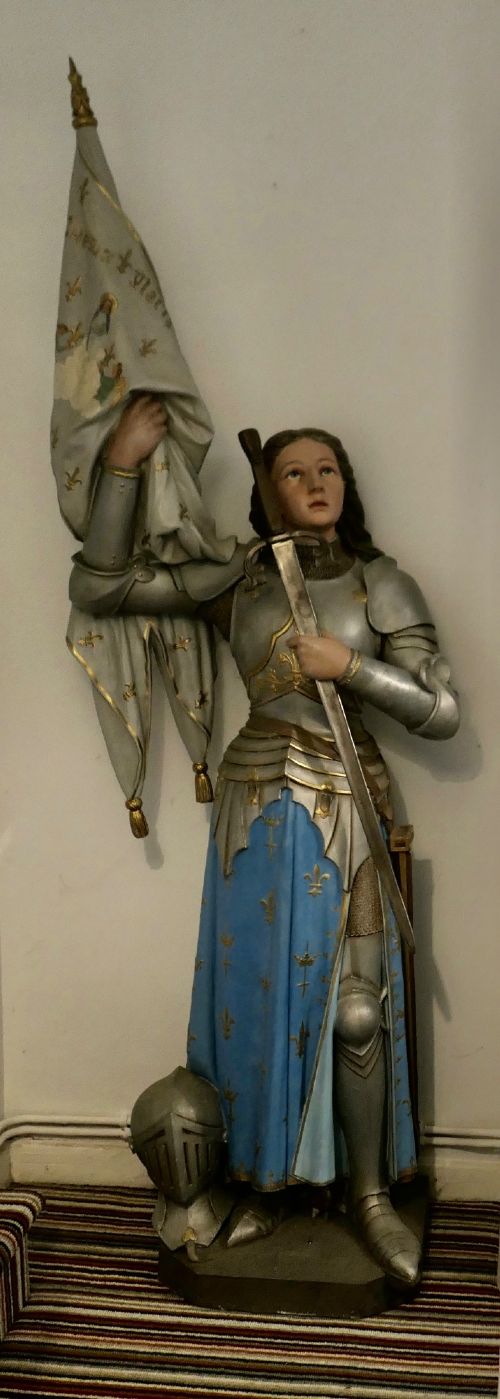
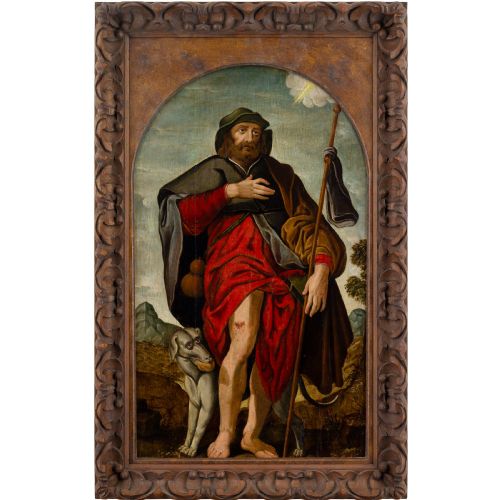
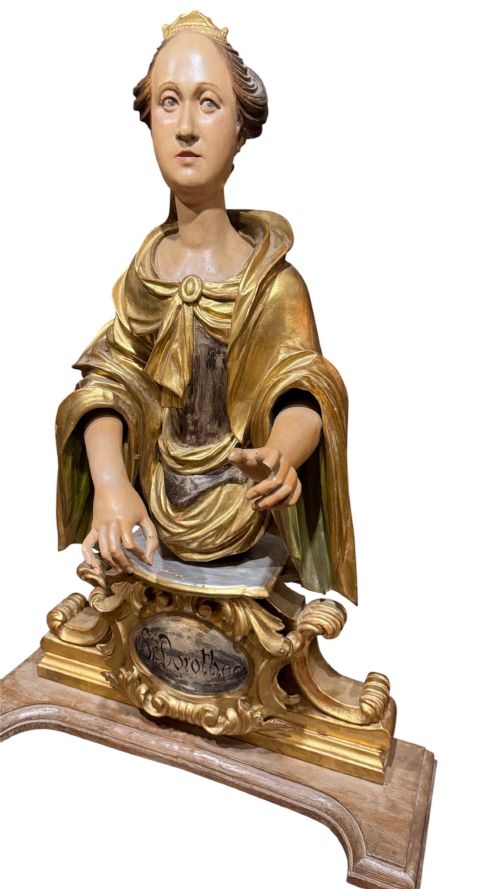
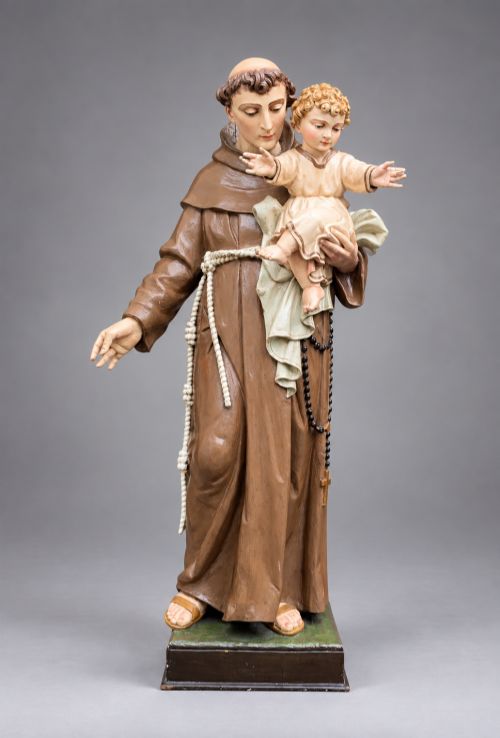
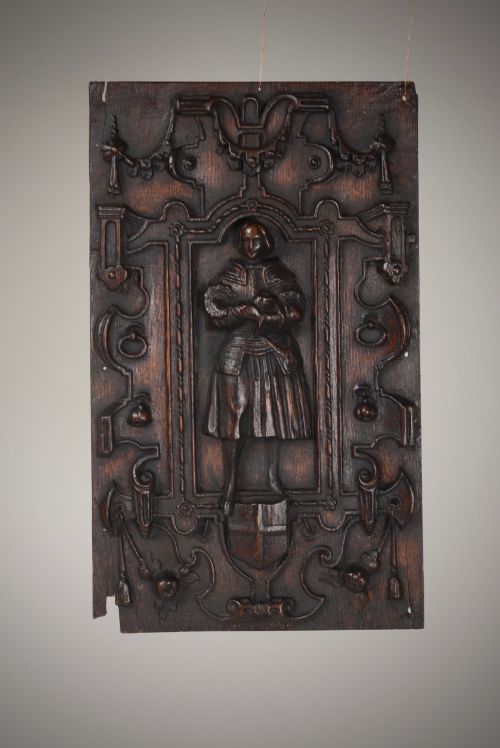
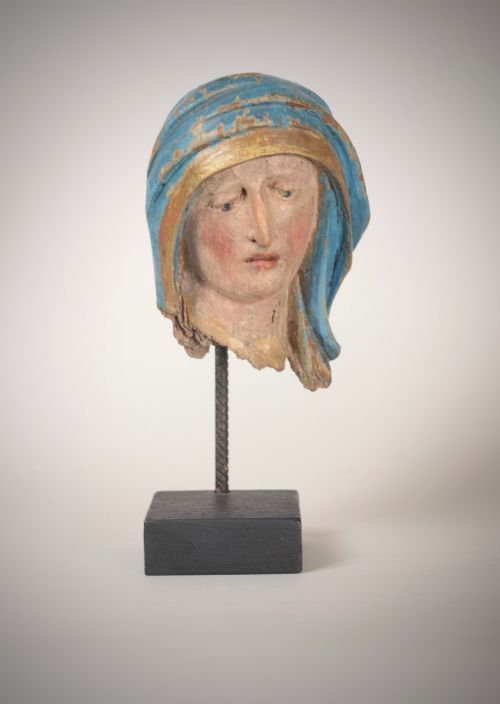
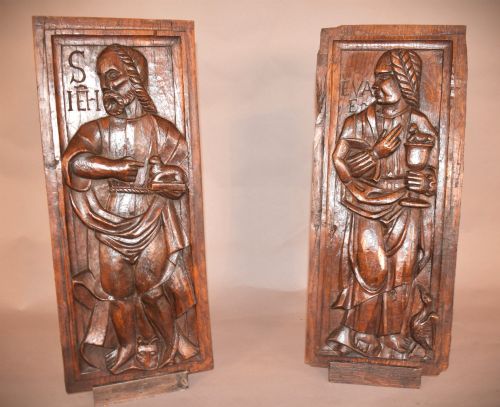
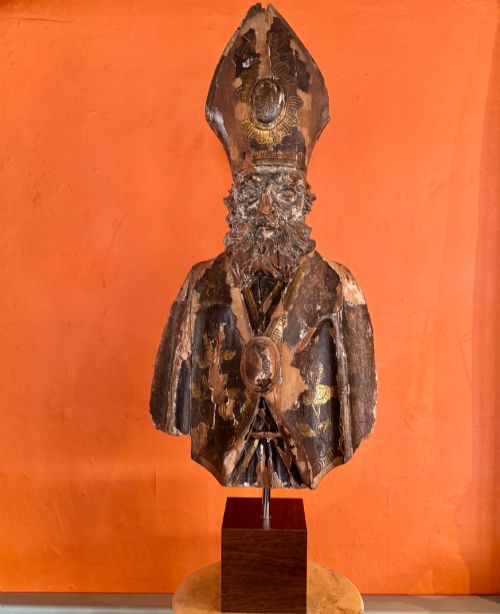
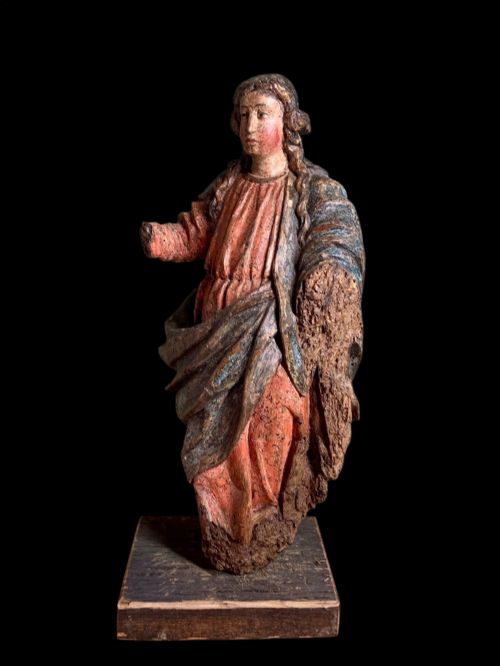
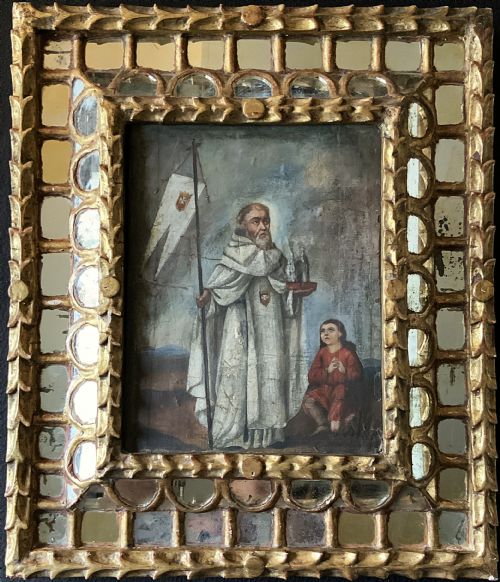
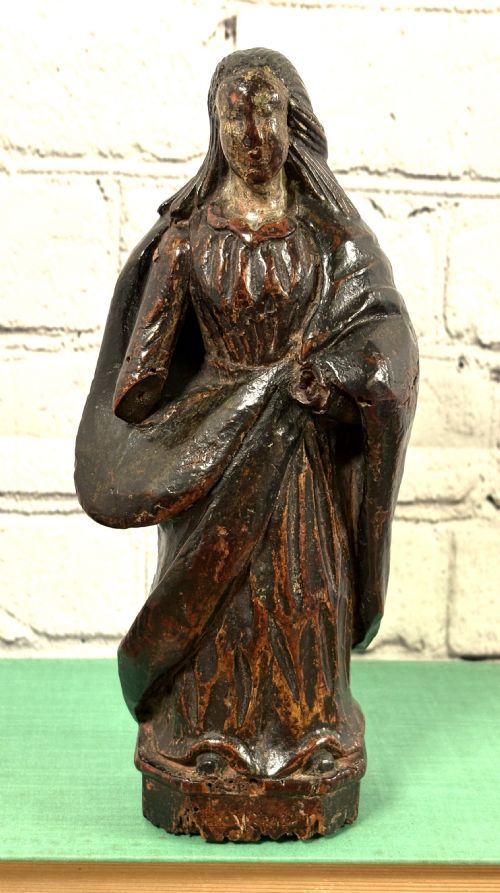
An antique saint carving is a wooden or painted sculpture depicting holy figures, bishops, and biblical personages intended for religious devotion. Buyers seeking this phrase encounter devotional figures, relief panels, and processional statues originating from diverse European regions. The most common forms on this page are standing wooden sculptures and fragments dating from the sixteenth to the nineteenth centuries.
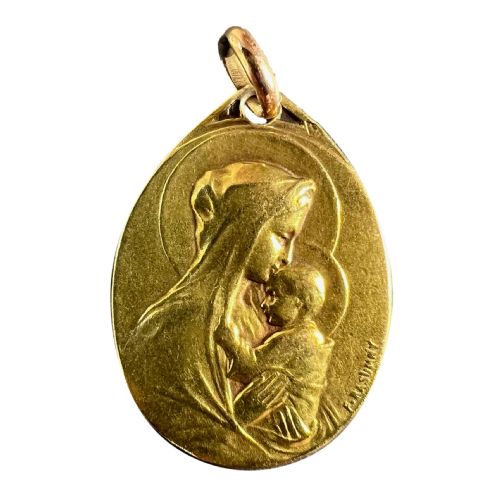
The objects span periods from pre-sixteenth century Gothic works up to nineteenth-century folk art interpretations. Continental workshops in Italy, Spain, France, and Germany produced the majority of these ecclesiastical pieces. Forms range from miniature pocket items and carved panels to life-size processional figures and architectural fragments.
Materials and construction
Gold leaf application was common on garments and halos, adhering to the gesso foundation to catch candlelight within dim ecclesiastical interiors. Many surviving sculptures retain fragments of their original pigment and gilding beneath layers of subsequent history. Tool marks left by gouges and chisels remain visible across the unpainted timber backs of larger statues.
Antique Saint Carving Retail Price Guide 2026
Typical asking prices for saint carving among the pieces listed under this phrase on Sellingantiques today, from the lower quarter to the upper quarter. They describe what is for sale here now, not the wider market.
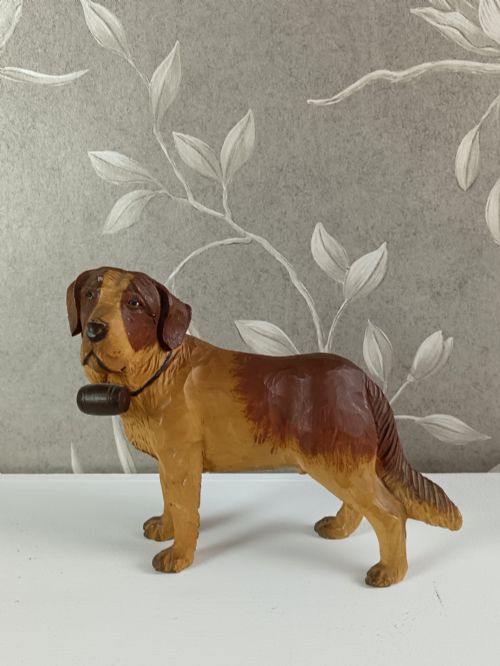
Among the solemn bishops and holy figures sits a sturdy wooden sculpture of a Saint Bernard rescue dog ready for action.
Judging quality in ecclesiastical sculpture
The preservation of original polychrome paint and gold leaf significantly influences the integrity of a piece. Skilled surface layering maintains subtle tonal variations in flesh tones and textiles rather than flat, uniform modern repainting. Master carvers from periods like the Renaissance or Baroque achieved lifelike hands and gazes that lesser regional folk pieces miss.
Franz Keller
The Antique Saint Carving Glossary
- Polychrome
- Decorated in multiple colours. This technique applied paint directly to wood or gesso to render realistic clothing and skin tones on religious statues.
- Gesso
- A plaster mixture used as a base for paint and gold leaf. Artisans spread it over carved wood to achieve a smooth painting surface.
- Giltwood
- Wood carved and covered with thin gold leaf or gold paint. This finish created a luminous appearance for ecclesiastical furnishings and frames.
- Capipote
- A Spanish processional figure with a wooden head and hands attached to a framework. The inner structure was dressed in real fabric vestments for religious festivals.
- Limewood
- A pale timber favoured by European carvers for fine detail work. Its consistent grain allowed sculptors to execute deep undercut folds in drapery.
Antique Saint Carving: Frequently Asked Questions
What are antique saint carvings made from?
These sculptures are primarily carved from dense hardwoods like oak and limewood. Many examples feature applied layers of gesso beneath polychrome paint and gold leaf.
Some smaller devotional items utilise alternative materials such as mother-of-pearl or horn. The choice of timber typically reflects the regional availability accessible to the workshop.
How were these figures used originally?
Figures served as focal points for private prayer within homes or as devotional art in churches and chapels. Processional statues were carried through streets during religious festivals and holy days.
Smaller panels and reliefs decorated domestic altars or ecclesiastical furniture. Many surviving works functioned as architectural elements within larger religious settings.
How do I care for a wooden saint carving?
Keep the sculpture away from direct sunlight and steady sources of artificial heat to prevent the wood from splitting. Maintain stable indoor humidity levels to protect fragile gesso and paint layers.
Dust the surface gently with a dry, soft brush without using liquid cleaners or polishes. Avoid applying modern waxes over original historic polychrome surfaces.