

Antique Saddle Horse
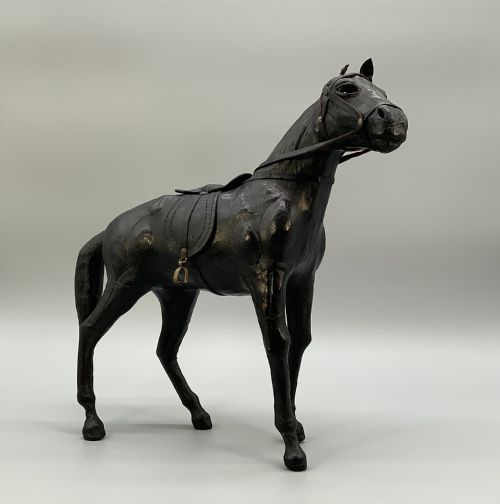
An antique saddle horse encompasses both substantial wooden rocking toys and richly worked equestrian textiles spanning multiple continents.
Antique Saddle Horse
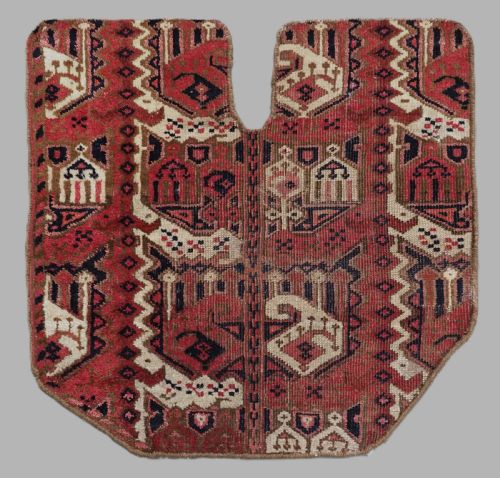
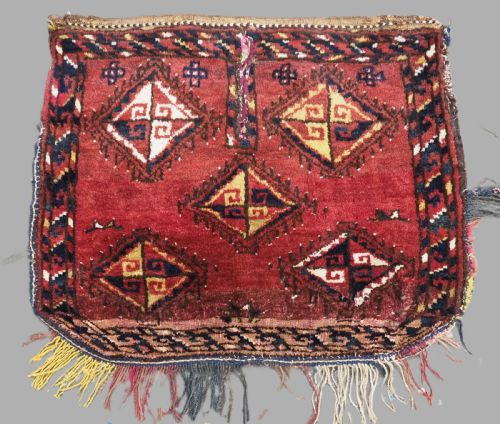
When searching for an antique saddle horse, collectors encounter two distinct categories of objects: heavy nursery rocking horses carved from pine and wood, and ceremonial Central Asian saddle rugs or covers fashioned by tribal makers.
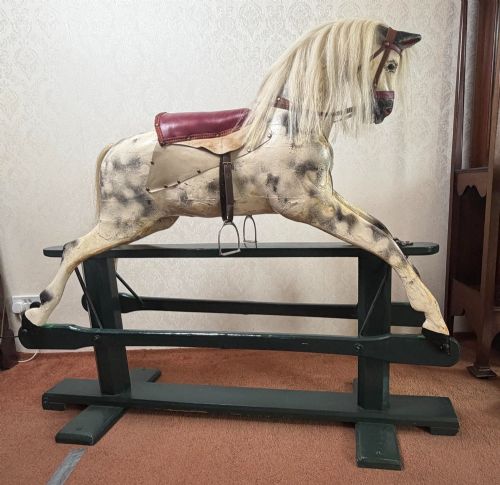
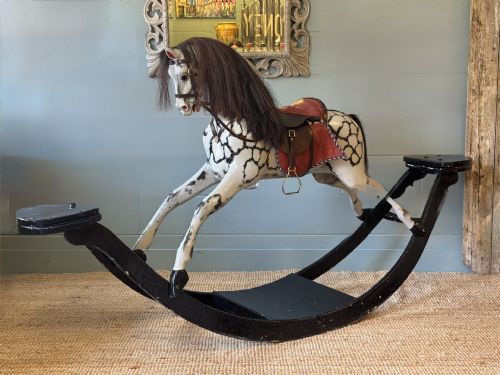
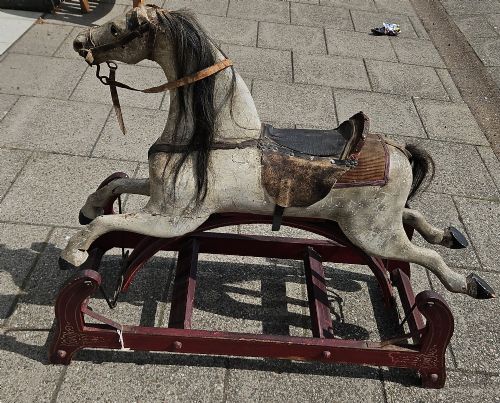
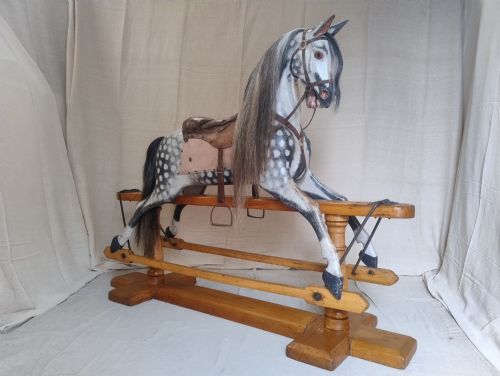
The wooden nursery examples typically date from the Victorian and Edwardian eras, standing on original curved rockers or safety stands. These large toys served generations of children before finding favour as decorative interior statement pieces.
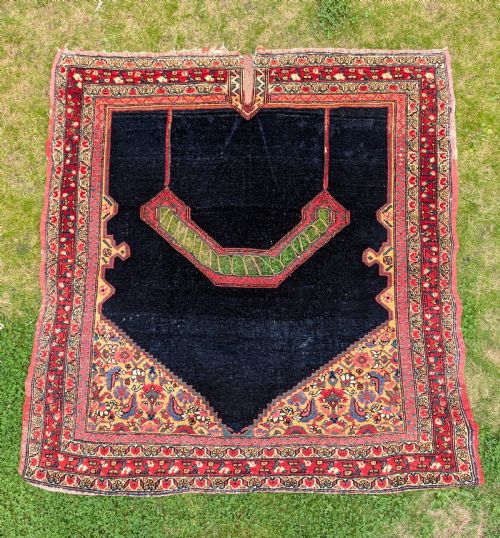
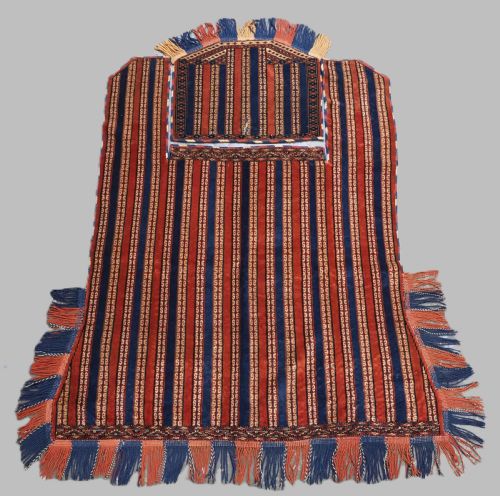
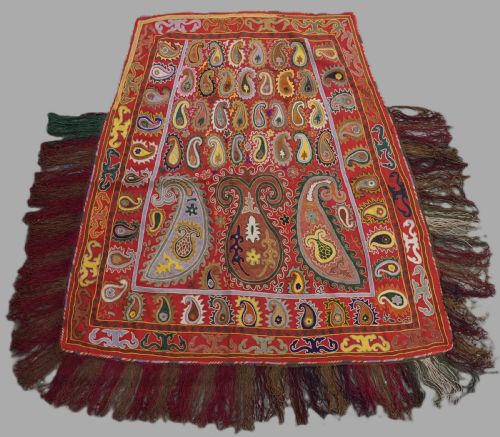
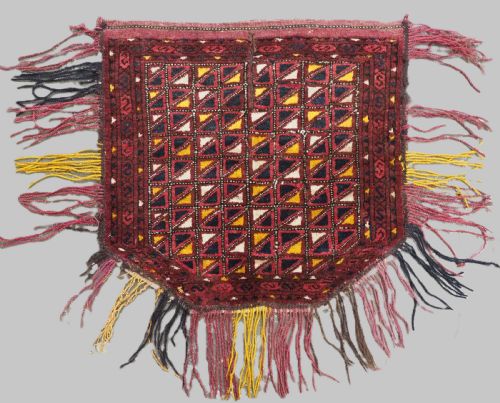
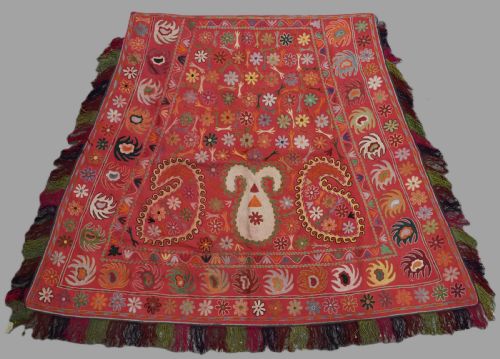
Alternatively, the textile entries comprise wool and cotton saddle covers alongside woven rugs from regions such as Uzbekistan and Anatolia. These items frequently display intricate embroidery and original tassels intended for ceremonial animal adornment.
Materials and construction
Makers of the wooden rocking horses utilised carved pine and sturdy hardwoods, assembling the bodies over internal wooden frames before applying gesso, paint, and horsehair manes.
The textile counterparts rely on traditional wool, cotton, and metal threads, employing dense embroidery and weaving techniques characteristic of Yomut, Ersari, and Lakai tribal workshops.
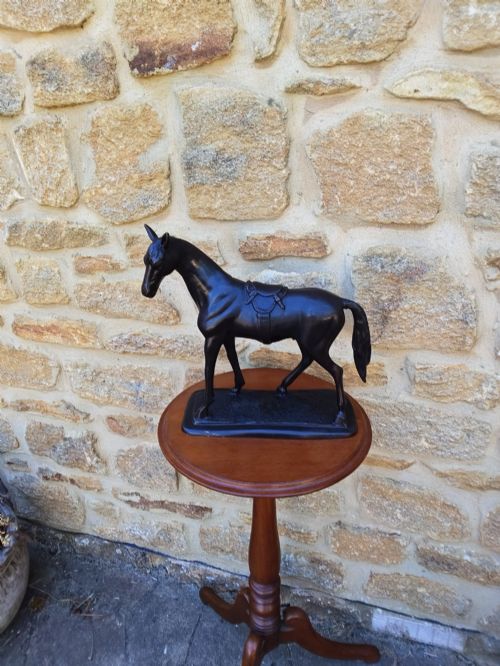
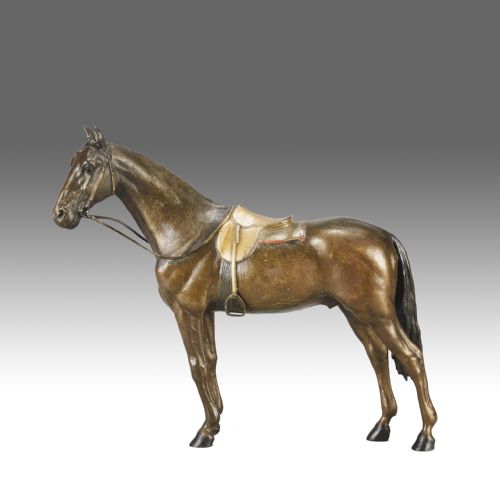
Bronze and cast iron versions required specialised foundry casting, often finished with cold-painted polychrome details or left in durable metal finishes for utilitarian doorstop functions.
Several antique rocking horses retain their original glass eyes, gazing steadfastly across nurseries and drawing rooms after more than a century of service.
Assessing craftsmanship and condition
Quality in nursery rocking horses rests upon the sculptural carving of the head, the integrity of the original paint layer, and the retention of maker components such as tacked leather saddles and horsehair.
For the woven and embroidered saddle covers, excellence is determined by the fineness of the wool knotting, the vibrancy of natural vegetable dyes, and the completeness of original borders and tassels.
In bronze and cast iron figures, superior pieces display crisp chisel work, retaining delicate cold-painted surfaces without excessive overpainting or structural compromise.
G & J Lines of London·Franz Bergman·F.H. Ayres·Collinson·Johan Noah Bemmel
The Antique Saddle Horse Glossary
- Rocking horse
- A carved wooden toy mounted on curved wooden rockers or a swing frame, designed for children to ride.
- Saddle cover
- A decorative textile or rug placed beneath or over a saddle, often associated with Central Asian tribal ceremonies.
- Cold-painted bronze
- A metal sculpture painted with oil-based paints that are not subjected to high-temperature firing.
- Heybe
- A traditional Turkish or Anatolian nomadic saddle bag woven in knotted pile or flatweave technique.
- Gesso
- A plaster-like mixture applied to carved wooden horses to provide a smooth base for painting and dapple detailing.
Antique Saddle Horse: Frequently Asked Questions
How do I care for a wooden rocking horse?
Keep the wooden toy away from direct sunlight and dramatic humidity shifts to protect the painted finish and gesso layers. Dust gently with a dry cloth and avoid harsh chemical cleaners.
Inspect the tack and horsehair periodically to ensure they remain stable. Leather components benefit from occasional specialised conditioning to prevent drying out.
Where were Central Asian saddle covers made?
Tribal groups across Uzbekistan, Turkmenistan, and Tibet produced these decorative pieces for ceremonial use and daily riding. Communities such as the Lakai and Yomut specialised in distinct embroidery and weaving styles.
These textiles often served as dowry items or prestige objects during community celebrations. Their survival relies on durable wool foundations and traditional natural dyeing methods.
How do I identify an Ayres rocking horse?
Makers like F.H. Ayres typically incorporated robust construction using carved pine and expressive head carving. Look for proportions and stance characteristic of late nineteenth and early twentieth century London workshops.
Many examples retain maker stamps or specific physical traits associated with their production methods. Original leather saddles and tack further aid attribution.
Can antique saddle rugs be displayed on walls?
These woven textiles adapt well to wall hanging when mounted correctly using non-damaging textile sleeves or specialist conservation methods. Ensure the weight distributes evenly across the entire upper edge of the rug.
Rotate the textile periodically if displayed in a bright room to minimise uneven fading from ambient light. Vacuum gently through a mesh screen to remove surface dust.