

Antique Rustic Bowl
An antique rustic bowl brings tactile warmth and domestic history into a room through simple utility turned enduring ornament.
Antique Rustic Bowl
When searching for an antique rustic bowl, buyers encounter utilitarian vessels shaped from timber, stone, copper, and terracotta for daily domestic tasks. These pieces range from dairy bowls and dough troughs to apothecary mortars and heavy preserving pans originating across English, French, and Scandinavian traditions.
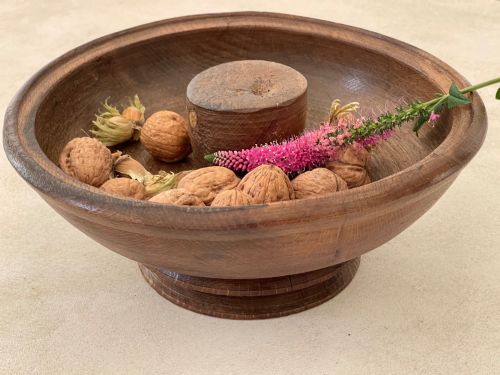
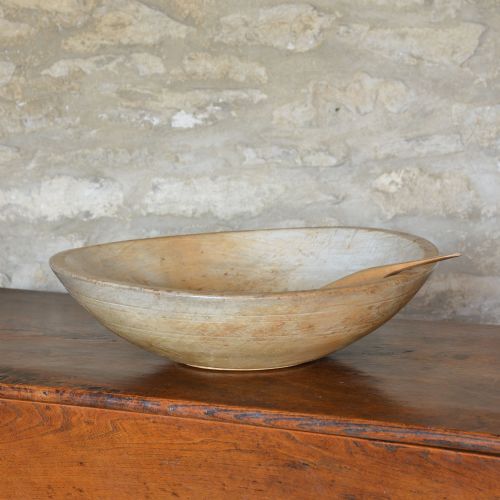
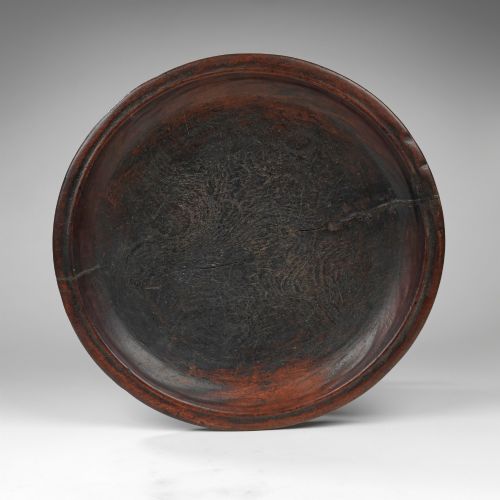
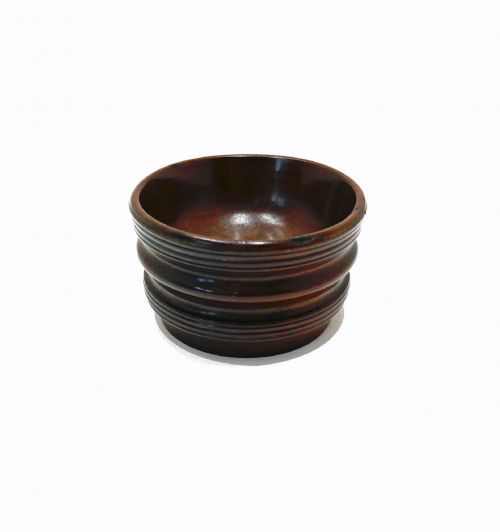
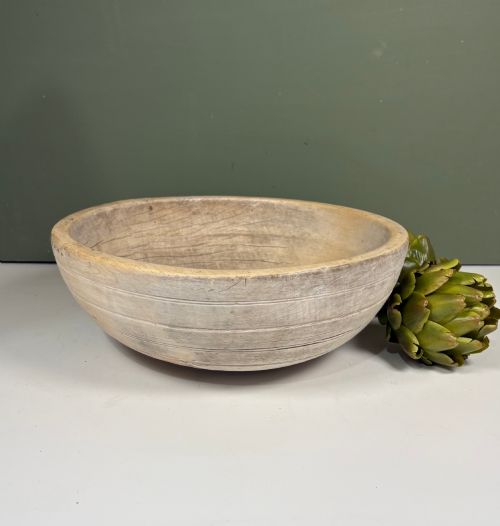
The most common form met on this page is the wooden dairy bowl or treen vessel carved from sycamore, laburnum, or ash. These turned and hand-carved objects served practical functions in farmhouses and dairies before finding a place in modern display spaces.
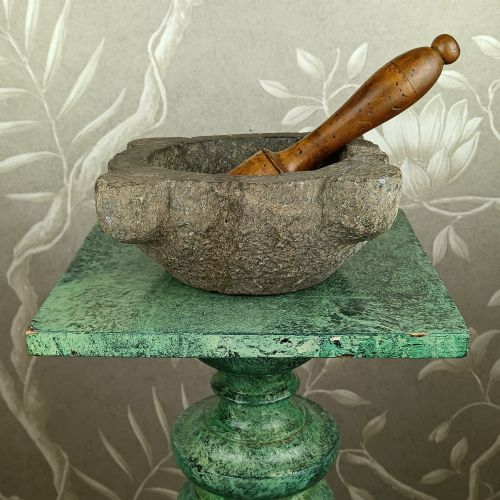
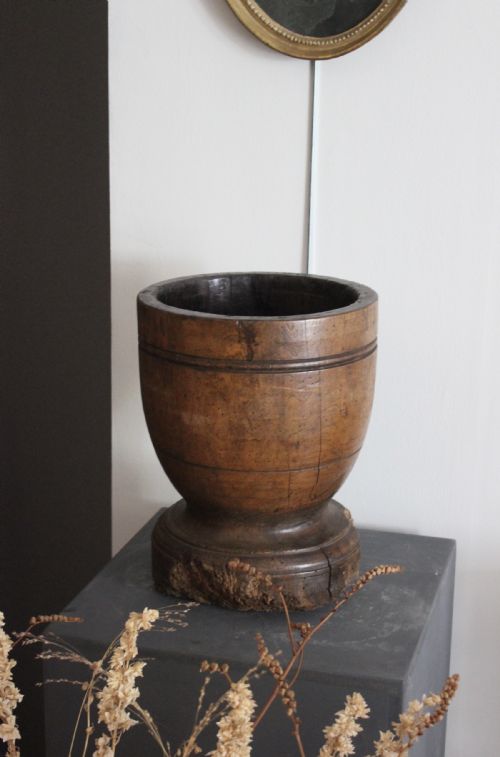
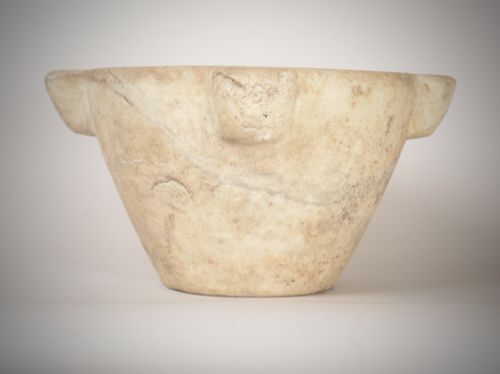
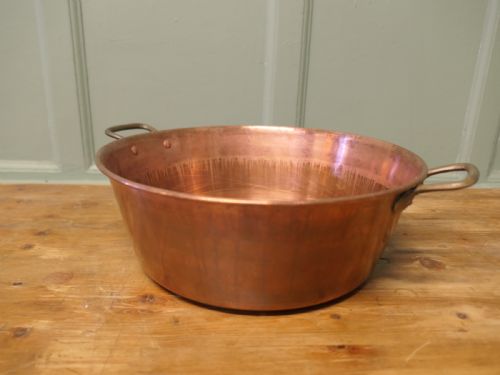
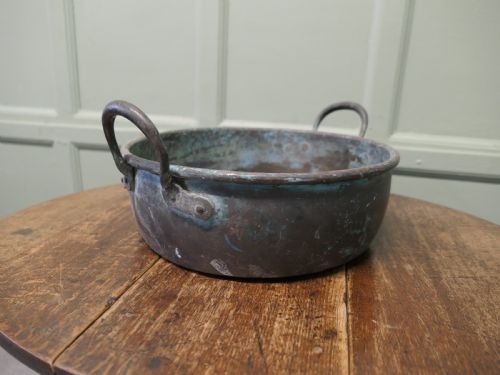
Beyond treen, the selection includes heavy stone and marble mortars alongside copper preserving pans that span the seventeenth through the nineteenth centuries. Each category reflects the material demands of early kitchens, dairies, and apothecaries.
How they were made
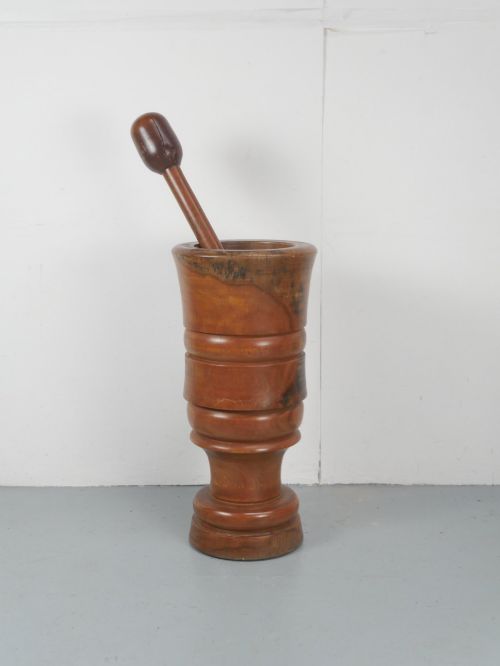
Makers fashioned wooden vessels by turning timber on a lathe or hand-carving softwoods like sycamore and hardwoods like laburnum while green. This method allowed the wood to take organic, curving shapes suited to creaming milk or kneading dough.
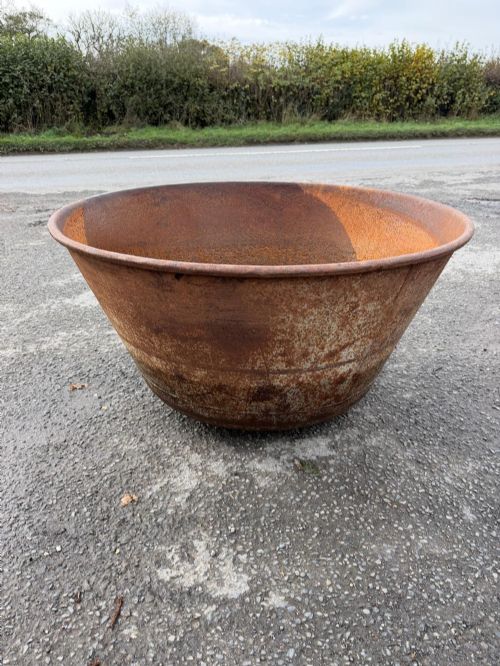
Stone and marble mortars were chisel-hewn and ground from solid blocks of aggregate, creating thick walls capable of withstanding heavy pestle impacts. Copper and iron vessels utilised metalworking techniques, hammering sheets into large preserving pans and casting thick apothecary mortars.
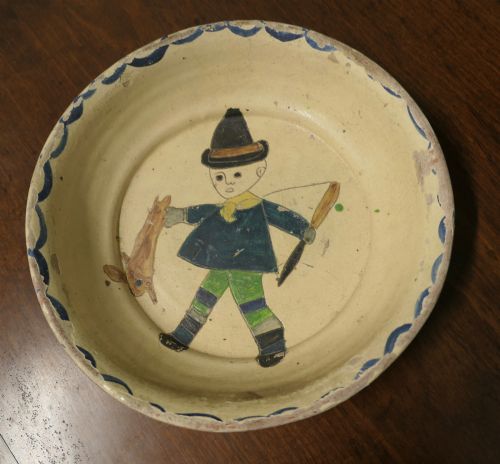
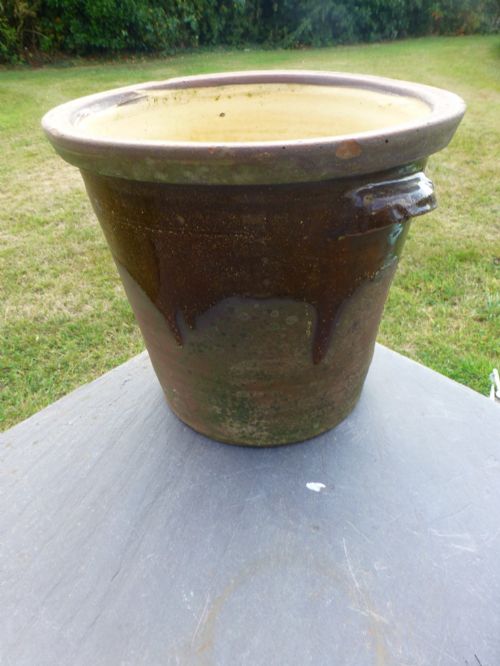
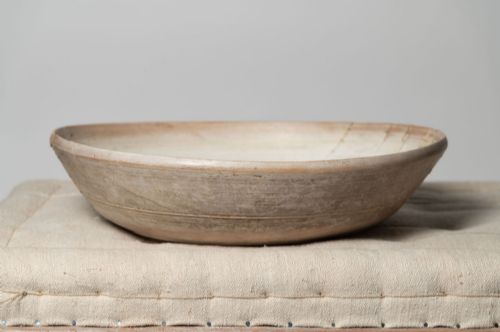
Terracotta and glazed earthenware pieces were shaped on wheels or moulds before receiving lead or slip glazes and firing in kilns. These surfaces provided impermeable linings for holding liquids and foodstuffs in agricultural settings.
Antique Rustic Bowl Retail Price Guide 2026
Typical asking prices for rustic bowl among the pieces listed under this phrase on Sellingantiques today, from the lower quarter to the upper quarter. They describe what is for sale here now, not the wider market.
Listings feature items spanning the seventeenth to the twentieth centuries, utilising materials from sycamore and marble to copper and cast iron.
What varies in quality
Quality rests upon the integrity of the material and the honesty of the wear accumulated through centuries of labour. A well-turned wooden rim that retains its original balance and circularity demonstrates superior craftsmanship over a warped or heavily trimmed edge.
Surface depth and tactile character distinguish exceptional pieces from ordinary examples. Natural patinas earned through decades of scrubbing and use convey an authenticity that dry, stripped, or overly restored surfaces lack.
T G Green Pottery
The Antique Rustic Bowl Glossary
- Treen
- Small handmade wooden objects of domestic use. This category includes bowls, mortars, and platters turned or carved from various timbers.
- Sycamore
- A light-coloured hardwood frequently chosen by turners for dairy utensils. Its dense grain resisted splitting and imparted no unwanted flavours to milk.
- Mortar
- A heavy bowl used with a pestle for crushing and grinding substances. Examples in the evidence are carved from stone, marble, wood, and cast iron.
- Dairy bowl
- A wide, shallow vessel designed for setting milk to rise so cream could be skimmed off the top. They appear in wood, terracotta, and glazed earthenware.
- Patina
- The surface sheen and colour developed over decades through handling, ageing, and wear. Good examples show rich, warm tones built up from domestic use.
Antique Rustic Bowl: Frequently Asked Questions
What were antique rustic bowls used for?
These vessels served practical roles in agrarian and domestic life, primarily for dairy work, kneading bread dough, and preparing food or medicine.
Wooden dairy bowls held milk for creaming, while heavy stone and metal mortars ground ingredients in kitchens and apothecary shops.
How do I care for an antique wooden bowl?
Keep wooden pieces away from direct heat sources, strong sunlight, and sudden humidity changes to prevent the timber from splitting.
Maintain the dry surface by occasionally applying a neutral food-safe mineral oil or beeswax to nourish the old grain.
How can I tell the age of a stone mortar?
Age is indicated by the tool marks left behind by hand chisels and shaping implements, which differ from modern machine-cut stone.
Wear patterns around the pouring lips and base also reveal centuries of manual friction and handling.
Are copper preserving pans safe for cooking?
Many antique copper pans were designed for jam making and large-scale preserving rather than everyday acidic cooking.
Buyers should inspect the interior metal lining to ensure it remains intact if intended for culinary use rather than display.