





Antique Russian Bronze
Antique russian bronze objects capture historic devotion and imperial craft, bringing lasting character to any room.
Antique Russian Bronze
When you search for antique russian bronze, you encounter a diverse selection of metalwork spanning religious icons, animal figures, and human subjects. These pieces reflect distinct cultural traditions from the eighteenth century through the early twentieth century.
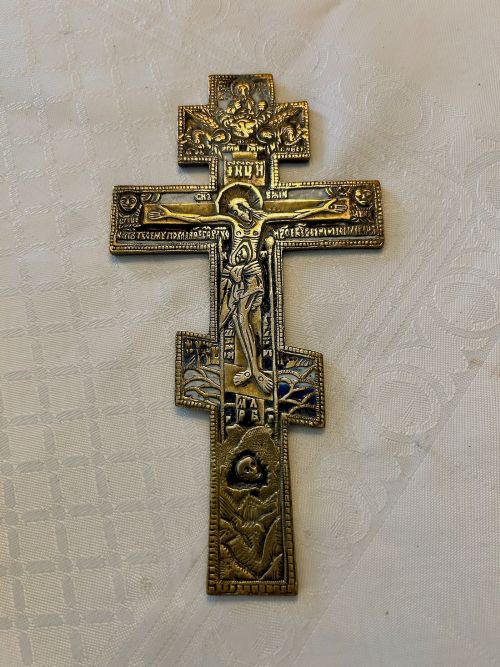
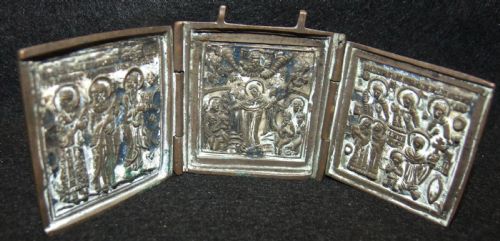
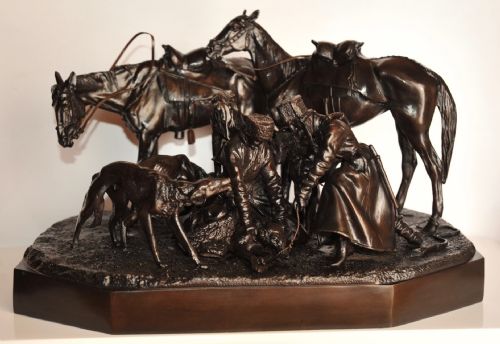
The objects on this page frequently include folding triptychs, orthodox crosses, and decorative figurines. Sculptures depicting mounted cossacks, hunting dogs, and dancers appear alongside religious metalwork mounted on wood panels.
Nineteenth-century examples dominate the selection, often incorporating intricate enamel work or cold-painted details. Buyers frequently find pieces tied to imperial workshops alongside vernacular religious objects.
Materials and methods
These pieces rely primarily on cast bronze, frequently enhanced with vibrant blue enamel or cold-painted finishes to add colour and definition. Artisans combined metal with wood panels, silver, and gilt, particularly in religious icons and travel triptychs.
Complex sculptures utilise lost-wax casting methods to achieve fine details in figures and drapery. Inlays of ivory and combinations with materials such as onyx and ormolu appear in later decorative works.
Antique Russian Bronze Retail Price Guide 2026
Typical asking prices for russian bronze among the pieces listed under this phrase on Sellingantiques today, from the lower quarter to the upper quarter. They describe what is for sale here now, not the wider market.
St. Petersburg policemen and hunting borzoi dogs share shelf space with imperial guards.
Assessing craftsmanship
Quality rests in the crispness of the cast and the preservation of original cold paint or enamel work. Superior pieces display sharply rendered facial expressions and textiles on figures rather than softened details.
The integration of secondary materials like wood and ivory distinguishes masterworks from simpler production pieces. Maker attribution and firm marks further elevate the standing of individual sculptures.
Fabergé·Paul Philippe·Nikolai Lieberich·Volga Masters
The Antique Russian Bronze Glossary
- Cold-Painted Bronze
- Bronze sculpture painted after casting with non-fired oil or varnish pigments. This technique brings realistic colour to figures and uniforms.
- Triptych
- A three-panel folding artwork, frequently used as a portable religious icon. The side panels fold inward to protect the central image.
- Chryselephantine
- Sculpture combining bronze with carved ivory elements. This style gained popularity during the art deco period for figures and dancers.
- Orthodox Cross
- A traditional Christian cross featuring multiple crossbeams associated with eastern christianity. These often incorporate detailed enamel work.
- Kamer-Kazak
- A ceremonial palace servant or guard in imperial russia. Figurines depicting these figures capture historical court dress in painted metal.
Antique Russian Bronze: Frequently Asked Questions
What are antique russian bronze pieces?
These items encompass cast metal sculptures, religious icons, and decorative objects originating from russia. They range from small devotional crosses to dynamic animal and human figures.
Many incorporate enamel, cold paint, or wood mounts, reflecting both spiritual traditions and secular imperial tastes across several centuries.
How were folding travel icons used?
Travel icons and triptychs served as portable shrines for personal devotion during journeys or military campaigns. Owners could unfold the hinged panels to create a sacred space wherever they rested.
These compact objects protected delicate metalwork and enamel inside while remaining durable enough for regular transport.
How do I distinguish nineteenth-century pieces?
Nineteenth-century examples often display specific stylistic traits such as rigorous military uniforms, intricate blue enamel work, or traditional orthodox iconography. Examining the casting technique and the wear on the metal helps indicate the era.
Comparing pieces against documented works by known makers and studios provides further clarity on dating.