


Antique Rural Watercolour Painting
An antique rural watercolour painting captures the quiet rhythm of traditional countryside life through delicate washes of pigment on paper.
Antique Rural Watercolour Painting
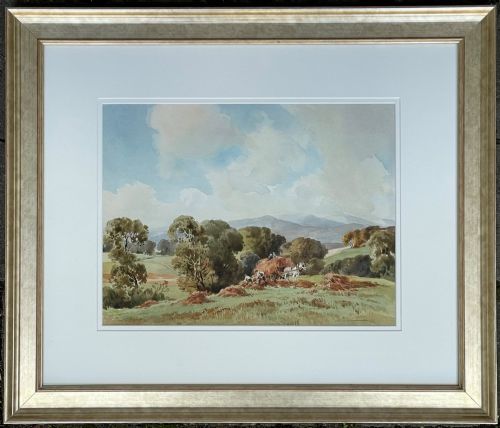
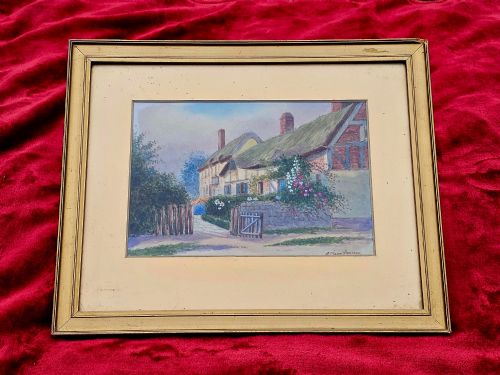
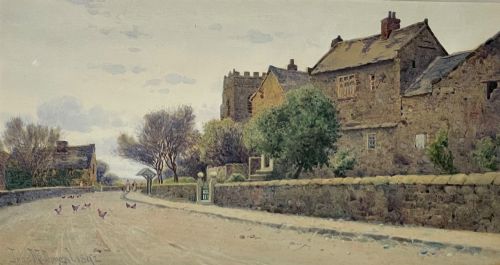
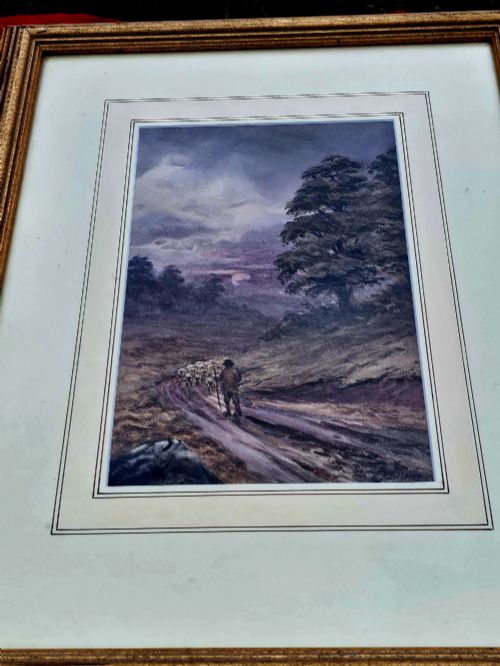
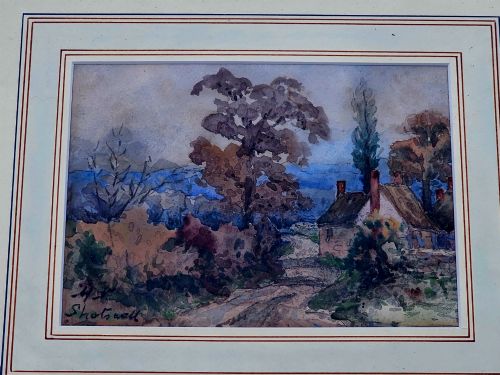
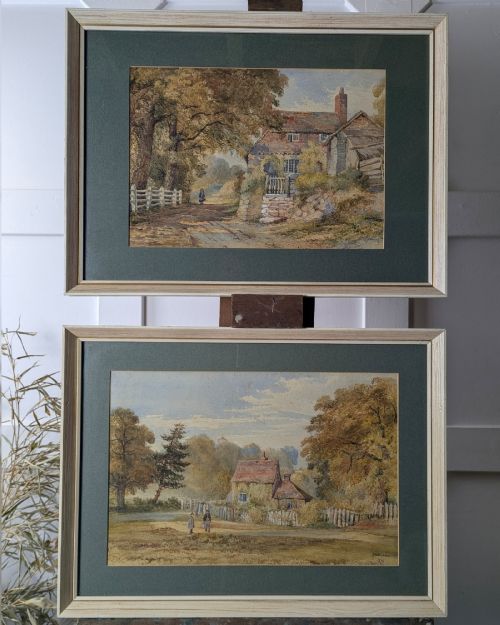
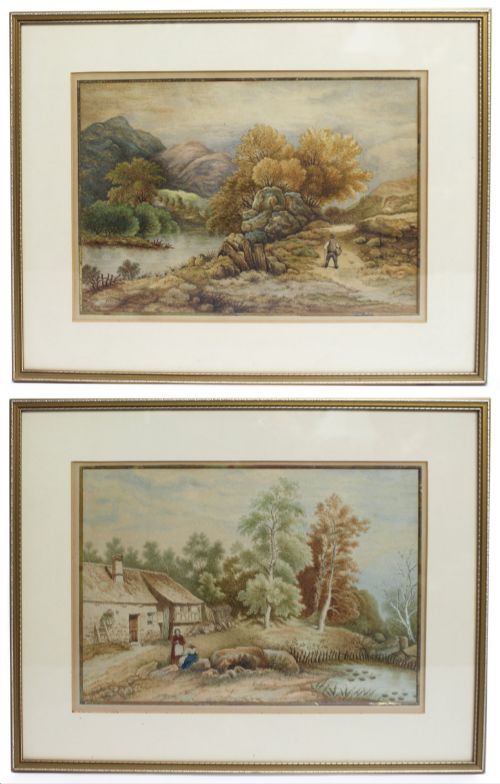
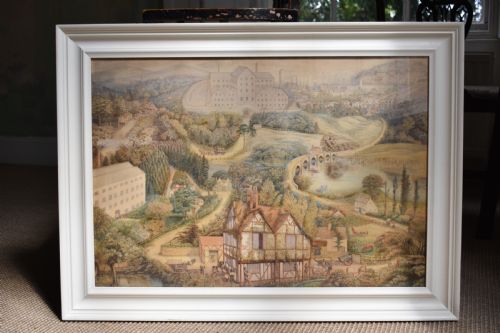
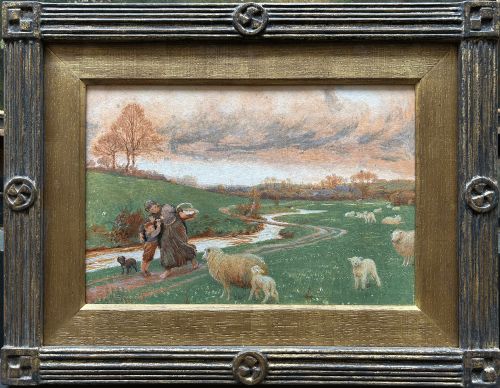
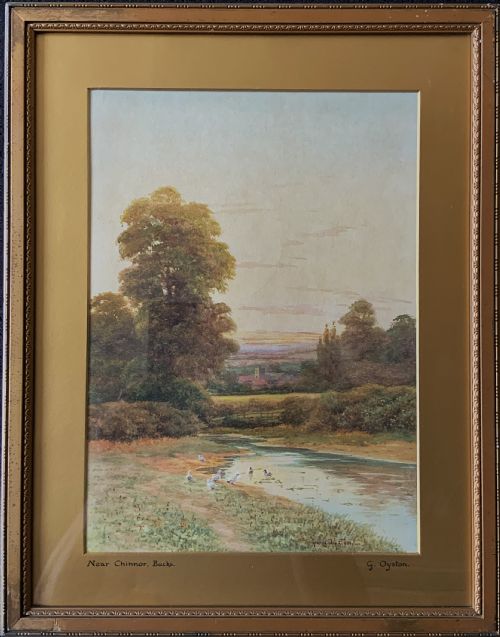
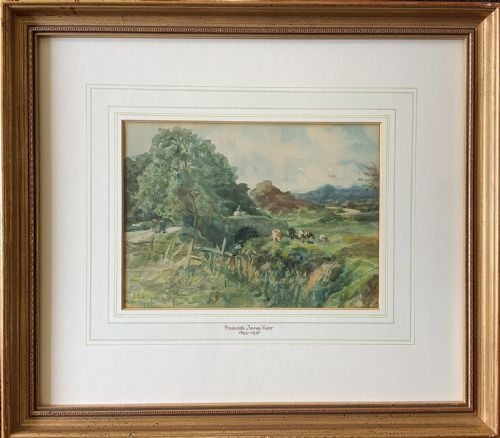
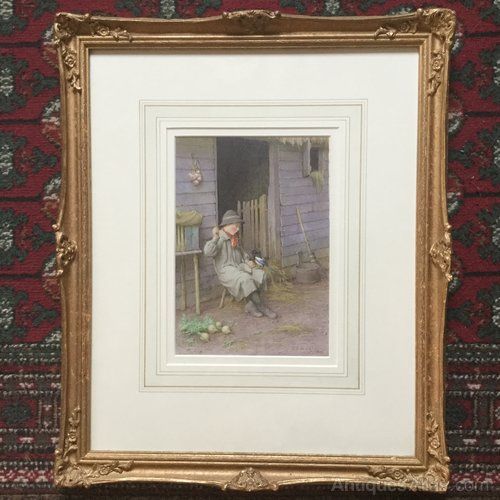
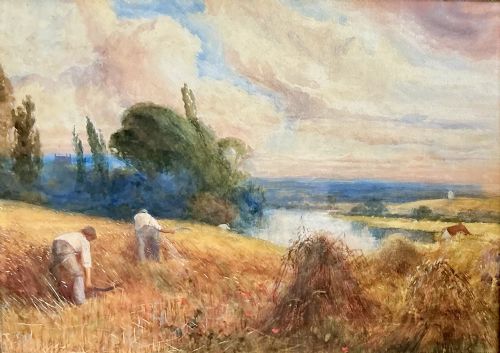
An antique rural watercolour painting depicts traditional British countryside scenes, including farmyards, cottages, and agricultural work.
Most examples originate from the Victorian and Edwardian periods, capturing an idealized view of rural life before rapid modernization.
The works typically present framed fine art paintings on paper, often preserved behind glass within wooden or gilt frames.
Materials and Technique
Artists applied water-soluble pigments onto heavy paper surfaces, utilising transparent washes to build luminous skies and atmospheric landscapes.
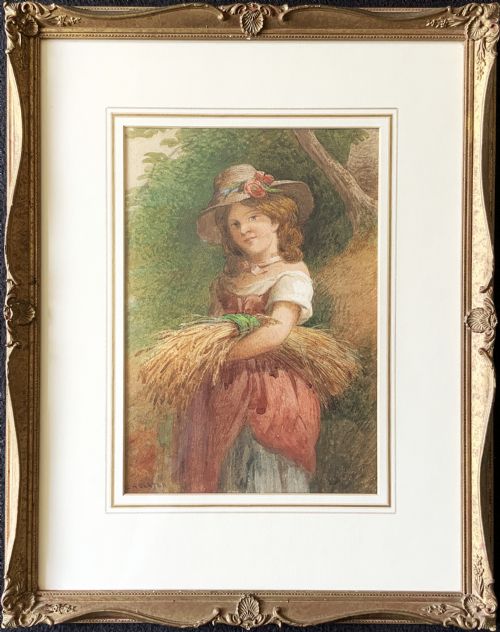
Makers framed the finished artworks using wood, frequently incorporating gold leaf or gilt moulding to complement the composition.
Many pieces display ink or pencil underdrawing beneath the watercolour paint, guiding the precise placement of cottages, figures, and livestock.
Listings feature paper supports, watercolour pigment, and gilt wood frames across Victorian and Edwardian pastoral scenes.
Distinguishing Quality
Superior examples demonstrate confident brushwork and a subtle handling of natural light that brings depth to pastoral landscapes.
The ability of the artist to render human figures and working animals with anatomical precision separates accomplished works from ordinary output.
Condition plays a vital role, with preferred pieces retaining vibrant pigment without fading or excessive toning from acidic mounts.
Percy Lancaster·George Oyston·Frederick James Kerr·Charles Henry Slater·Herman S Melville·Frederick Hines·Edgar Woollatt·Oswald Garside·Henry Charles Fox·Fred Lawson·James William Booth·William Hoggatt·Ernest Pile Bucknall·James Orrock·James Hardy Junior·John Atkinson·Colin H Greenwood·Henry Bailey·Helena Maguire·Linnie Watt·Robert Winchester Fraser·George Soper·William Joseph Boyes
The Antique Rural Watercolour Painting Glossary
- Watercolour pigment
- Finely ground colour particles mixed with a water-soluble binder, applied to paper to create translucent painted effects.
- Gilt wood
- Timber framing coated with a thin layer of gold leaf or metallic gilt paint, common in Victorian presentation.
- Wash
- A thin, fluid layer of diluted watercolour pigment spread evenly across the paper to create skies or broad landscape expanses.
- Pastoral
- A style of art celebrating rural scenery, agricultural labour, and the peaceful simplicity of country life.
- Provenance
- The documented history of ownership that traces an artwork from its creation to the present marketplace.
Antique Rural Watercolour Painting: Frequently Asked Questions
How do I date an antique watercolour?
Dating relies primarily on stylistic clues, framing methods, and artist signatures recorded within the historical period. Victorian and Edwardian works often feature specific framing techniques and paper watermarks corresponding to late nineteenth and early twentieth-century manufacture.
Examining the clothing of depicted figures and the style of rural architecture provides additional chronological context. Archivists and dealers cross-reference these visual elements with known exhibition dates for listed painters.
Where should I hang a watercolour painting?
Watercolours require careful placement away from direct sunlight to prevent the pigments from fading over time. Rooms with stable humidity levels help protect the delicate paper support and wooden frame from environmental damage.
Displaying paintings at eye level on neutral walls allows the subtle tones of the landscape to stand out clearly. Many collectors utilise specialised picture lighting to illuminate the fine details without generating excessive heat.
What defines the Edwardian pastoral style?
Edwardian pastoral art focuses on idyllic rural scenes, emphasising tranquil farming life and picturesque English villages. Artists working in this manner utilised softer colour palettes and looser brushwork influenced by early impressionism.
These compositions frequently showcase agricultural workers, thatched cottages, and grazing livestock under expansive skies. The movement reflected a nostalgic yearning for traditional country life during a period of rapid industrial growth.