





Antique Ruby Charm
These antique ruby charm selections offer distinct miniature expressions in gold and platinum, prized by collectors for their intricate craftsmanship and enduring gemstone settings.
Antique Ruby Charm
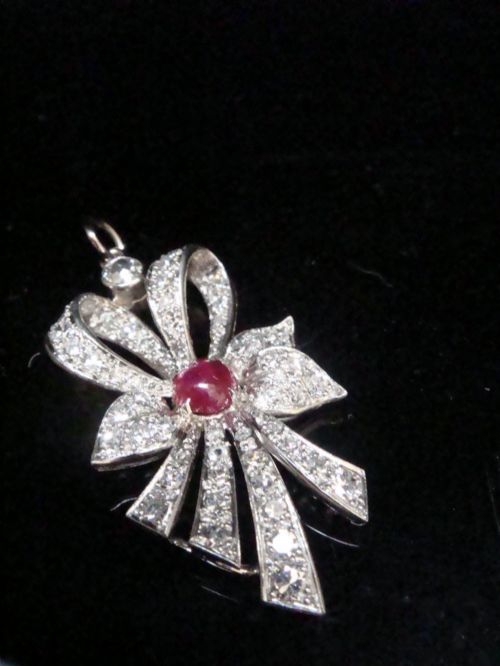
An antique ruby charm encompasses small decorative pendants and charms fashioned in gold and platinum, often incorporating diamonds and pearls. Buyers searching for this phrase encounter items spanning the Victorian, Edwardian, and mid-century periods.
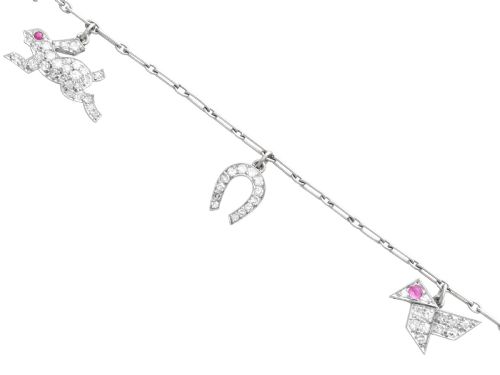
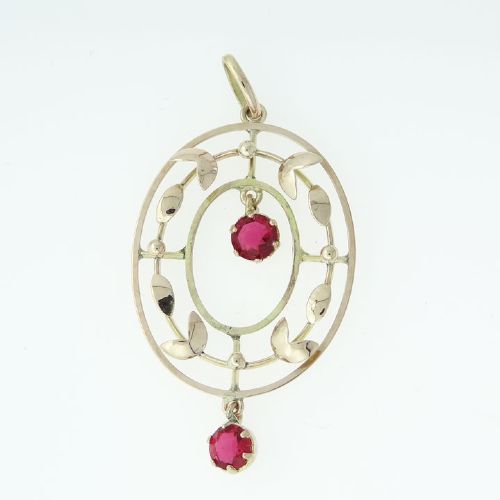
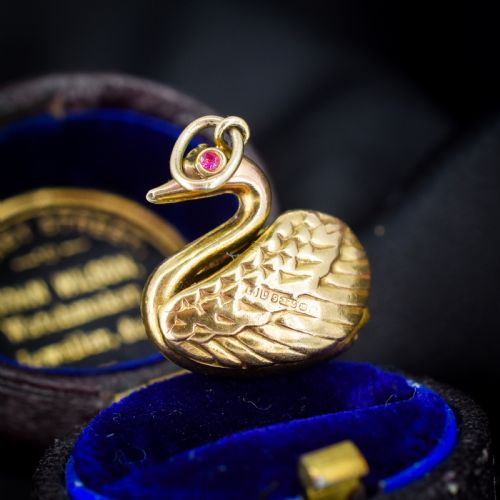
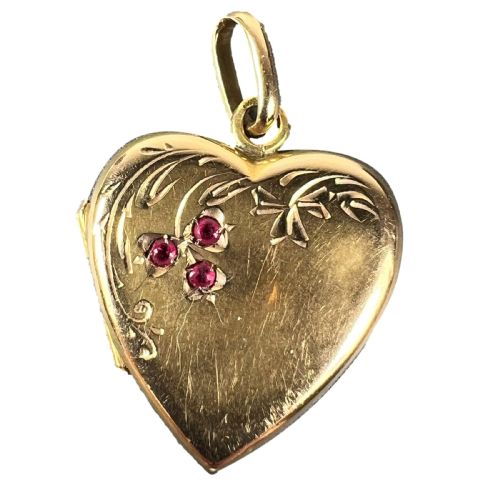
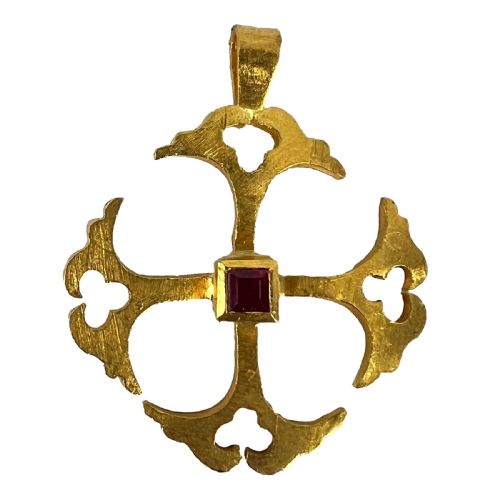
The selections on this page feature diverse forms such as heart padlocks, figurative birds, botanical motifs, and classical geometric clusters. Most pieces originate from Victorian and Edwardian workshops alongside mid-century European designs.
Makers utilised various metals including 9ct gold, 18ct yellow gold, 14ct yellow gold, and platinum to mount genuine or simulated rubies. Each item serves as a portable adornment originally designed for bracelets or fine chains.
How they were made
Goldsmiths shaped 9ct, 14ct, and 18ct yellow gold and platinum into detailed frames using casting, hand-carving, and wirework techniques. These metals provide durable structural support for intricate motifs like floral clusters, snakes, and mythical creatures.
Gemstones including rubies, diamonds, and pearls were flush-set, bezel-set, or claw-set into the precious metal surfaces. Simulated rubies also appear in period pieces, demonstrating varied material choices during manufacturing.
Antique Ruby Charm Retail Price Guide 2026
Typical asking prices for ruby charm among the pieces listed under this phrase on Sellingantiques today, from the lower quarter to the upper quarter. They describe what is for sale here now, not the wider market.
Materials span 9ct gold, 18ct gold, platinum, rubies, diamonds, and pearls across Victorian, Edwardian, and mid-century periods.
What varies in quality
The refinement of miniature hand-carving and metalwork distinguishes finer examples, particularly in figurative subjects like birds, griffons, and floral vases. Superior pieces display crisp detailing in the gold or platinum mounts.
Quality also depends on the selection and matching of gemstones, where natural rubies, diamonds, and pearls exhibit greater depth of colour and precise setting work compared to simpler or simulated alternatives.
The Antique Ruby Charm Glossary
- Charm
- A small decorative trinket attached to a bracelet or pendant chain. These miniature ornaments often represent animals, hearts, or symbolic objects.
- Cluster pendant
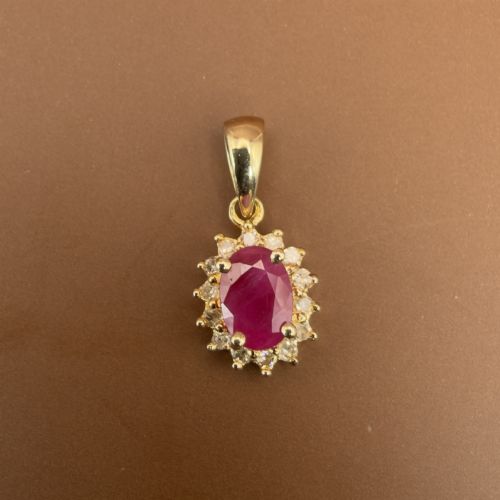
- A pendant featuring a central gemstone surrounded by a border of smaller stones, such as diamonds encircling a ruby. This arrangement maximises visual brilliance.
- Padlock bracelet
- A bracelet secured by a functional or decorative lock clasp, frequently shaped as a heart in Victorian examples. They often incorporate safety chains and curb links.
- Simulated ruby
- A laboratory-created or alternative red stone used to imitate natural corundum. These stones appear in specific period items alongside genuine gems.
- Platinum
- A dense, silvery-white precious metal utilised for its strength and secure setting capabilities in Edwardian and later fine jewellery.
Antique Ruby Charm: Frequently Asked Questions
What periods do these charms come from?
The pieces span multiple eras including Victorian, Edwardian, and mid-century dates such as 1930, 1950, and 1960.
Craftsmanship and materials shift across these periods, moving from early gold heart padlocks to later platinum and yellow gold gemstone cluster designs.
Are the rubies natural?
Listings include both natural ruby specimens and simulated ruby stones set within the gold or platinum mounts.
Examining the specific listing details reveals whether a particular piece utilises genuine corundum or a simulated alternative.
How were these items worn?
These items function primarily as pendants for chains or as charms suspended from bracelets like heart padlock designs.
Their versatile miniature format allowed wearers to attach them to various forms of personal jewellery.
What metals are used in these items?
Makers employed 9ct yellow and rose gold, 14ct yellow gold, 18ct yellow gold, 24K yellow gold, and platinum.
These precious metals frequently combine with accent stones like diamonds and pearls to enhance the overall design.