


Antique Rosewood Frame
An antique rosewood frame brings dark, dense grain and rich warmth to mirrors, watercolours, and seating.
Antique Rosewood Frame
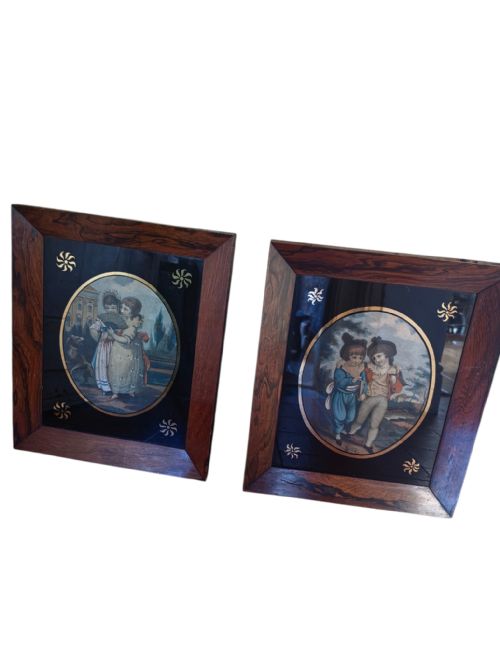
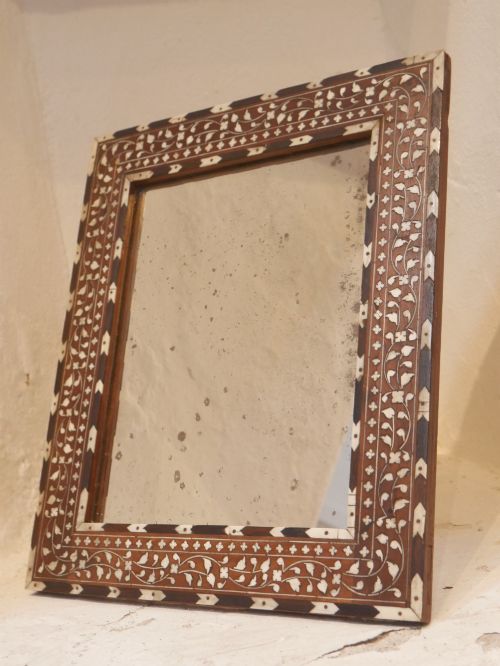
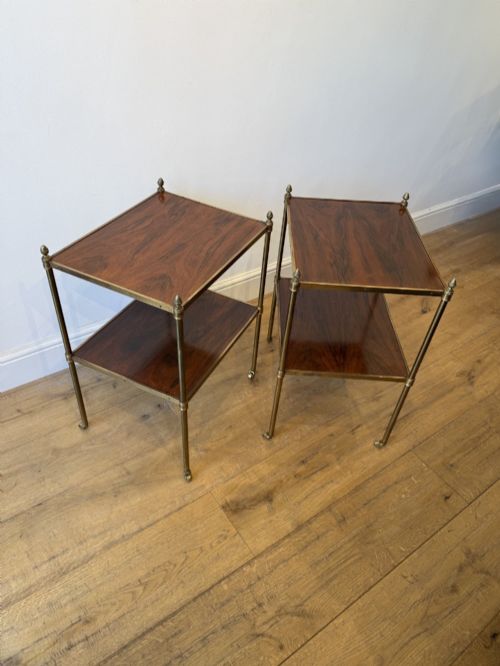
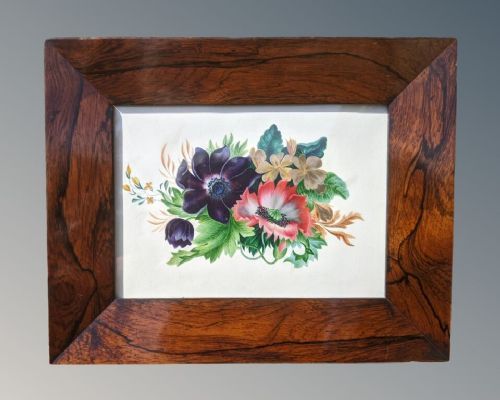
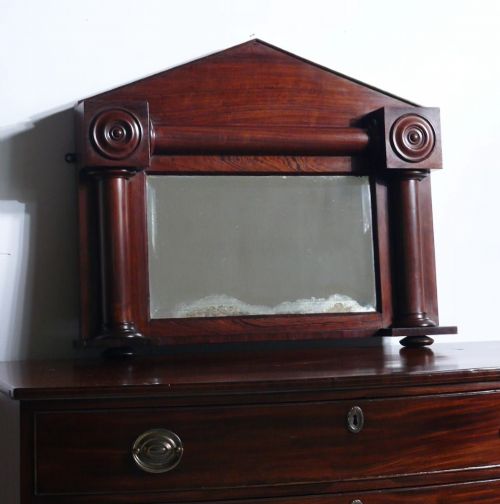
When you search for an antique rosewood frame, you encounter a variety of objects where dark timber forms the primary structural enclosure for mirrors, watercolours, prints, and textiles. The selections span the Regency and Victorian periods, extending through the nineteenth century into the Edwardian era and the early twentieth century.
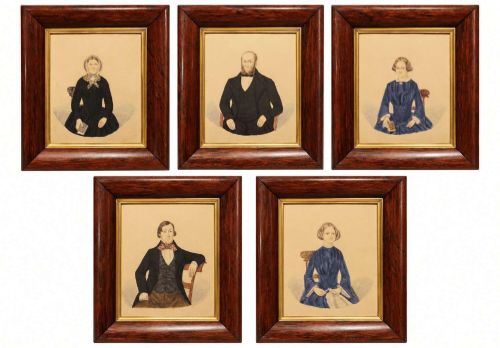
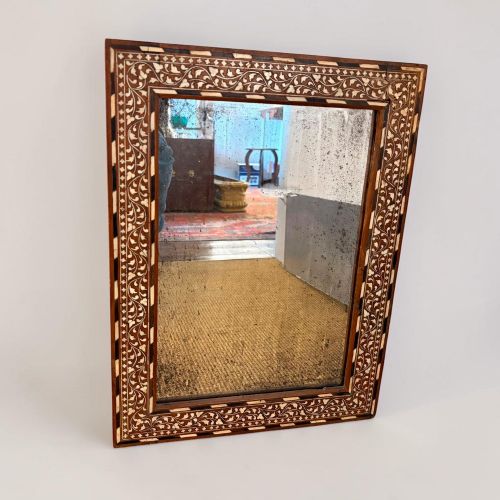
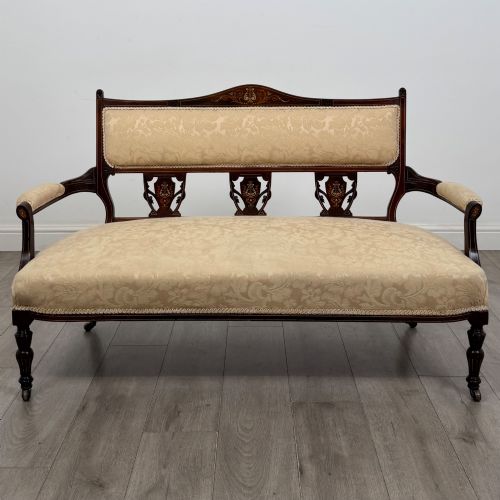
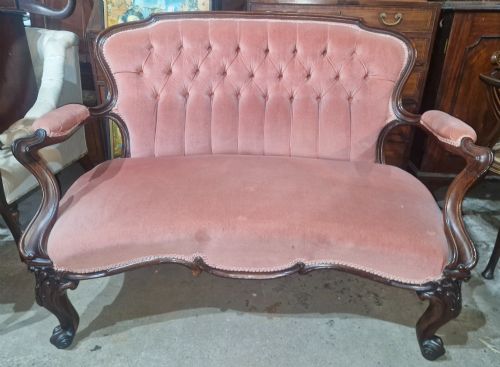
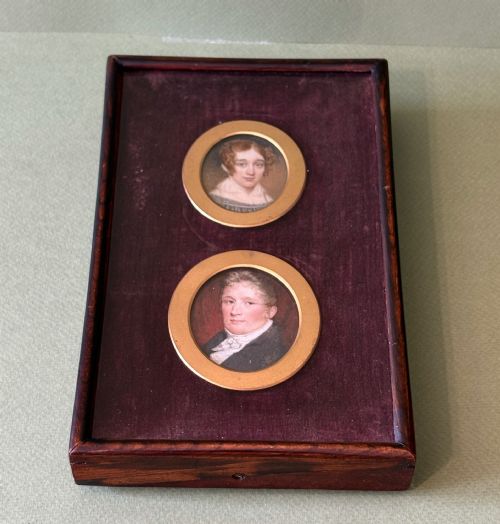
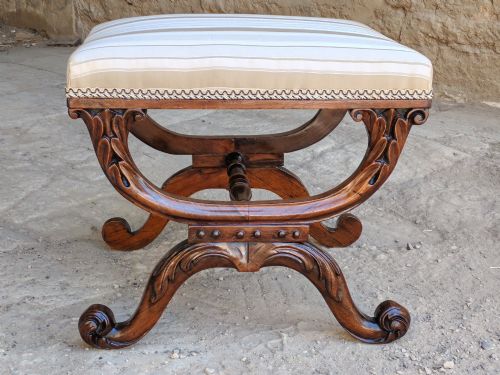
The items range from wall mirrors, overmantel mirrors, and framed miniature portraits to larger furnishings where the timber frames upholstered seating, window seats, footstools, and chaise longues. Anglo-Indian workshops and Hoshiarpur makers also contribute carved mirror frames executed in the same dense wood.
Materials and construction methods
Makers utilised solid rosewood alongside wood carcasse foundations overlaid with veneers, sometimes applying simulated grain finishes to alternative timbers during the Regency period. Frames incorporate decorative techniques such as intricate carving, inlay work, marquetry, and turned bobbin legs.
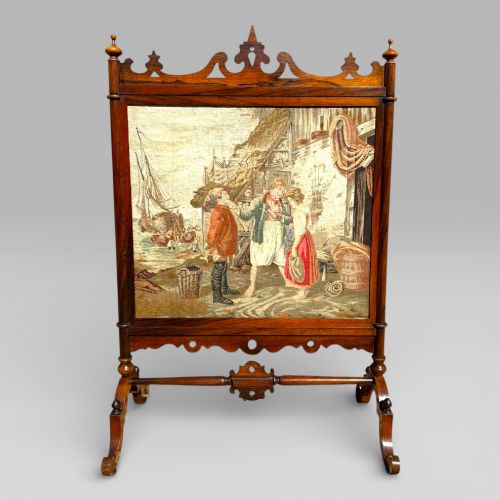
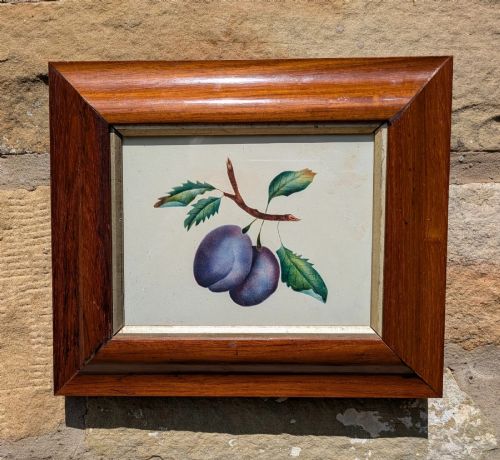
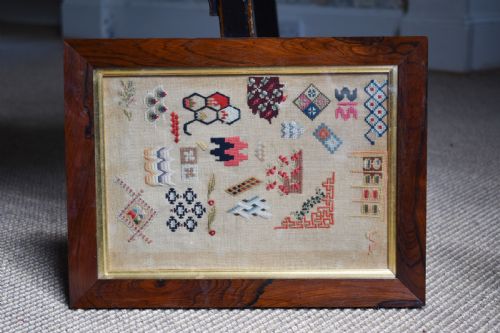
Mirrors and artworks within these surrounds frequently feature glass plates, brass hardware, paper prints, fabric mounts, velvet, and silk brocade. Upholstered pieces combine the rosewood frame with leather, needlework samplers, or botanical watercolours.
Antique Rosewood Frame Retail Price Guide 2026
Typical asking prices for rosewood frame among the pieces listed under this phrase on Sellingantiques today, from the lower quarter to the upper quarter. They describe what is for sale here now, not the wider market.
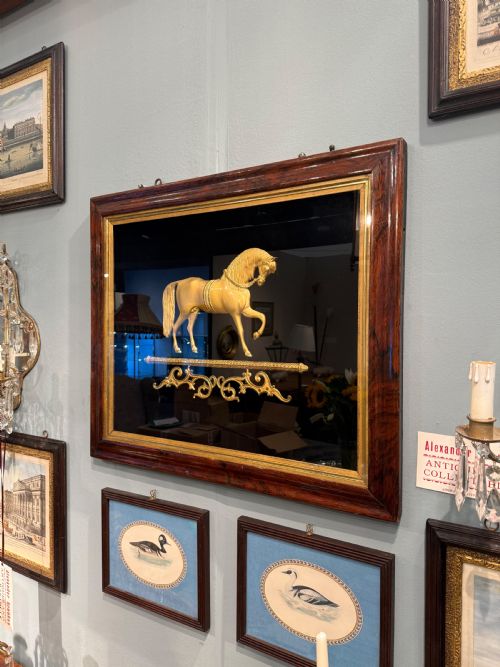
Several Victorian mirrors share shelf space with framed tinsel theatrical prints, capturing the dramatic flair of nineteenth-century parlor decor.
Distinctions in quality and execution
The standard of an antique rosewood frame rests upon the depth of the carved detail and the precision of any inlaid or marquetry work set into the timber. Sharp, crisply articulated foliage and clean turning distinguish superior examples from simpler production.
Proportion and the preservation of the original dark grain also govern worth, alongside whether the frame retains its early glass, backing papers, or original upholstered coverings.
The Antique Rosewood Frame Glossary
- Rosewood
- A dense, heavy tropical timber prized for its dark purple-brown colour and contrasting black grain figures. It takes a high polish and forms the durable base for nineteenth-century frames and furniture.
- Marquetry
- The art of applying decorative pieces of veneer to a structure to form intricate pictorial patterns. This technique appears on Victorian overmantel mirrors and cabinet pieces.
- Overmantel mirror
- A large wall glass designed to hang specifically above a fireplace mantelpiece. These frames often incorporate elaborate rosewood mouldings and gilt accents.
- Sampler
- A piece of embroidery or needlework produced by a beginner to demonstrate various stitches. Early examples frequently survive mounted behind nineteenth-century wood frames.
- Bobbin leg
- A turned furniture support shaped to resemble a series of wooden bobbins or spools strung together. This turned detail occurs on mid-nineteenth-century stools and chair frames.
Antique Rosewood Frame: Frequently Asked Questions
How do I date a rosewood frame?
Dating relies on stylistic clues, construction techniques, and secondary materials found within the object. Regency examples often display restrained classical lines, whereas Victorian pieces lean towards heavier carving or ornate inlay.
Examining the fixings, backing boards, and glass type helps narrow the decade of manufacture. Comparing the piece against documented cabinetwork from the same era provides further chronological context.
What is Anglo-Indian rosewood work?
Anglo-Indian work refers to items produced in India during the British colonial period, typically combining traditional local carving skills with European furniture forms. These pieces often feature dense, deeply undercut foliage patterns.
Makers in regions like Hoshiarpur specialised in intricate woodwork using local timbers. Such items entered British homes through trade and travel during the nineteenth century.
How should I clean antique rosewood?
Maintenance requires gentle dusting with a soft, dry cloth to prevent abrasive particles from scratching the polished surface. Moisture and chemical polishes should be avoided to protect the underlying timber and historic finishes.
If wax buildup occurs, a light application of appropriate microcrystalline wax can preserve the grain. Professional conservation is advisable for fragile carved details or lifting veneer.
Can I hang a heavy overmantel mirror safely?
Hanging a substantial nineteenth-century wall glass demands secure anchoring directly into structural wall studs or masonry. Using heavy-duty picture wire and appropriate wall fixings distributes the considerable weight evenly.
Professional installation is recommended to ensure the wall structure supports the load. Regular checks of the fixings maintain stability over time.