
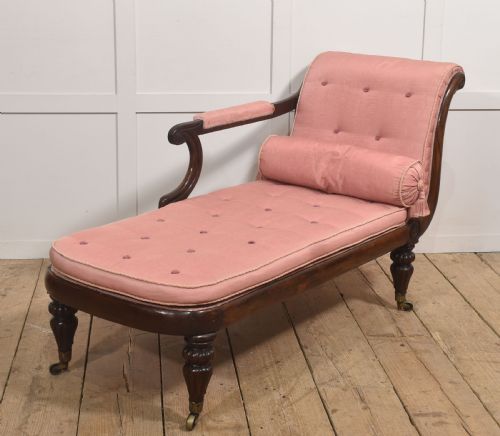


Antique Rosewood Bed
An antique rosewood bed brings rich, dark grain and nineteenth-century craftsmanship into a bedroom, offering solid timber construction and historic character.
Antique Rosewood Bed
An antique rosewood bed encompasses nineteenth-century sleeping frames, daybeds, and French double beds constructed from dense tropical timbers. Buyers seeking an antique rosewood bed will find examples ranging from early nineteenth-century Regency singles to later Victorian and French chateau styles.
What varies in quality
Quality in these beds depends on the selection of the timber, particularly the use of solid Rio rosewood versus standard hardwoods, and the crispness of hand-carved details like spiral posts. Superior pieces display harmonious grain matching and substantial structural weight.
The sophistication of the joinery and the original condition of upholstery, cane work, or brass mounts distinguish finer workshop output from simpler utilitarian items.
Listings feature nineteenth-century pieces incorporating rosewood, hardwood, rattan cane, and brass details across English, French, and Chinese styles.
H Goodall And Sons·Louise Majorelle
The Antique Rosewood Bed Glossary
- Rio Rosewood
- A dense, highly prized South American timber known for its dark grain patterns and rich colour. It was frequently utilised in high-end nineteenth-century cabinetmaking.
- Daybed
- A multipurpose piece of furniture functioning as both a seat and a bed for resting. These typically feature one raised end or backrest.
- Marquetry
- The art of applying pieces of veneer to a structure to form decorative patterns. Craftsmen used contrasting woods to create intricate surface designs.
- Cane Seating
- Woven rattan material used for chair seats and bed inserts. This technique provides a resilient, breathable surface.
- Spiral Carved
- A decorative woodworking technique where timber posts are turned into a twisted rope pattern. It appears on nineteenth-century bedposts and furniture legs.
Antique Rosewood Bed: Frequently Asked Questions
How do I assemble an antique rosewood bed?
Most historic beds utilise traditional iron bed bolts or wooden wedges to secure the side rails to the headboard and footboard. Careful alignment and gentle tightening ensure the frame remains square without straining the timber.
Enlisting a second person helps support the heavy hardwood components during the process. Checking the floor level prevents uneven pressure on the antique joints.
How do I clean and maintain rosewood timber?
Regular dusting with a soft, dry cloth removes surface particles without scratching the polished finish. Periodic application of quality beeswax feeds the dry wood and maintains its natural lustre.
Avoid placing timber furniture near direct heat sources or strong sunlight, which can fade the dark grain. Excess moisture should be wiped away immediately to protect the antique polish.
How do I identify French styles from English ones?
French beds of this era often feature curved serpentine shapes, upholstered headboards, and integrated footboards designed for formal chateau interiors. English examples tend to display architectural elements like turned posts, rectilinear panels, and classical Regency or Victorian proportions.
Material choices also offer clues, with French makers frequently combining rosewood with fruitwoods or intricate marquetry. Hardware and joinery styles further distinguish regional workshop practices.